How to Visit Corcovado National Park
Corcovado isn’t a walk-up park - permits and a certified guide are required. Learn how to visit Sirena Station, real tour costs, and when to book to secure your spot.
Last updated: May 4, 2026
Corcovado is not a walk-up park. Every visitor needs advance permits and a certified ICT guide – no exceptions. The park has 5 sectors, with Sirena Station being the wildlife-richest entry point. Day trips run about $100 per person; overnight packages start around $300. Book 2 to 6 months ahead for peak season (December through April). The park closes entirely in October for maintenance.
Want the permits, boat and station night arranged together? Explore the guided Sirena overnight, then use the route comparison after this guide. Explore One Night At Sirena From Drake Bay
Quick Facts: Corcovado National Park
| Location | Osa Peninsula, Puntarenas Province, Costa Rica |
| Park Size | 424 km² (164 square miles) |
| Entry Fee (Foreigners) | $15 USD per person, per day (Prices verified March 2026) |
| Park Hours | 7:00 AM to 4:00 PM daily |
| Guide Required? | Yes. ICT-certified guide mandatory for all visitors (since 2014) |
| Main Entry Points | Sirena, San Pedrillo, La Leona, Los Patos, El Tigre |
| Overnight Stays | Sirena Station only; bunkhouse $30/night (+ $15/day entry fee) |
| Max Daily Visitors | 330 total (100 daytime + 80 overnight at Sirena) |
| Park Closure | October (full closure for maintenance and safety) |
| Best Season | December through April (dry season) |
| Permit Reservations | Email [email protected] (up to 6 months ahead) |
| Overnight Reservations | Email [email protected] |
What Do You Actually Need to Know Before Visiting Corcovado?
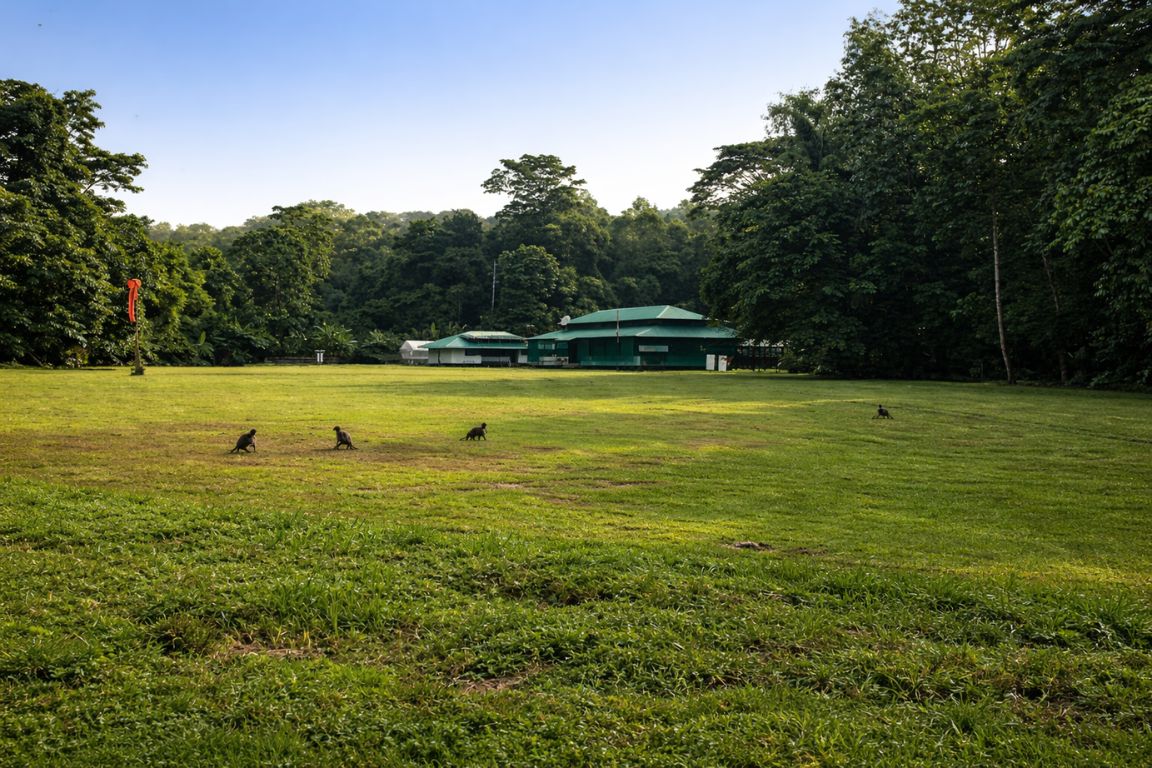 Corcovado is not a national park you can show up to and wing. You need a licensed guide, advance permits, and a plan for how you’re getting in and out. The park limits visitors to 330 per day across all sectors. Sirena Station, the most wildlife-dense entry point, caps at 100 day visitors and 80 overnight guests. Without those permits, you don’t enter.
The first time someone asks me “can I just show up?” I have to pause before answering. Because technically you can show up. You just won’t get in. Since February 2014, all visitors must be accompanied by a locally registered ICT-certified guide, and that guide has to be on SINAC’s approved list. The rule came in after a series of accidents inside the park, including the widely reported case of a young American hiker who disappeared and was never found.
What that means practically: you can’t book a flight to San Jose and figure out Corcovado when you land. Peak season permits at Sirena sell out months ahead. If you’re visiting between December and April, treat this like booking a flight, not a restaurant reservation.
A few things that catch people off guard. You cannot bring outside food into Sirena Station. Single-use plastic water bottles are confiscated at the entrance. The only meals available inside Sirena are from the station cafeteria, where breakfast runs $20, lunch $25, and dinner $25. That’s not a rip-off when you consider they’re feeding a small number of people, off-grid, with supplies brought in by boat and tractor once a week. But budget accordingly.
The park closes every October. All of it. SINAC uses the month to clear trails, repair infrastructure, and do beach and river maintenance. Sirena typically reopens around November 1st. If your Costa Rica trip falls in October, plan for other parts of the country and save Corcovado for another time.
Not sure about staying at Sirena? Check out our Sirena Ranger Station guide – it covers everything from boat access to camping facilities to what makes this the park’s wildlife epicenter.
Which Entry Point Should You Choose for Your First Visit?
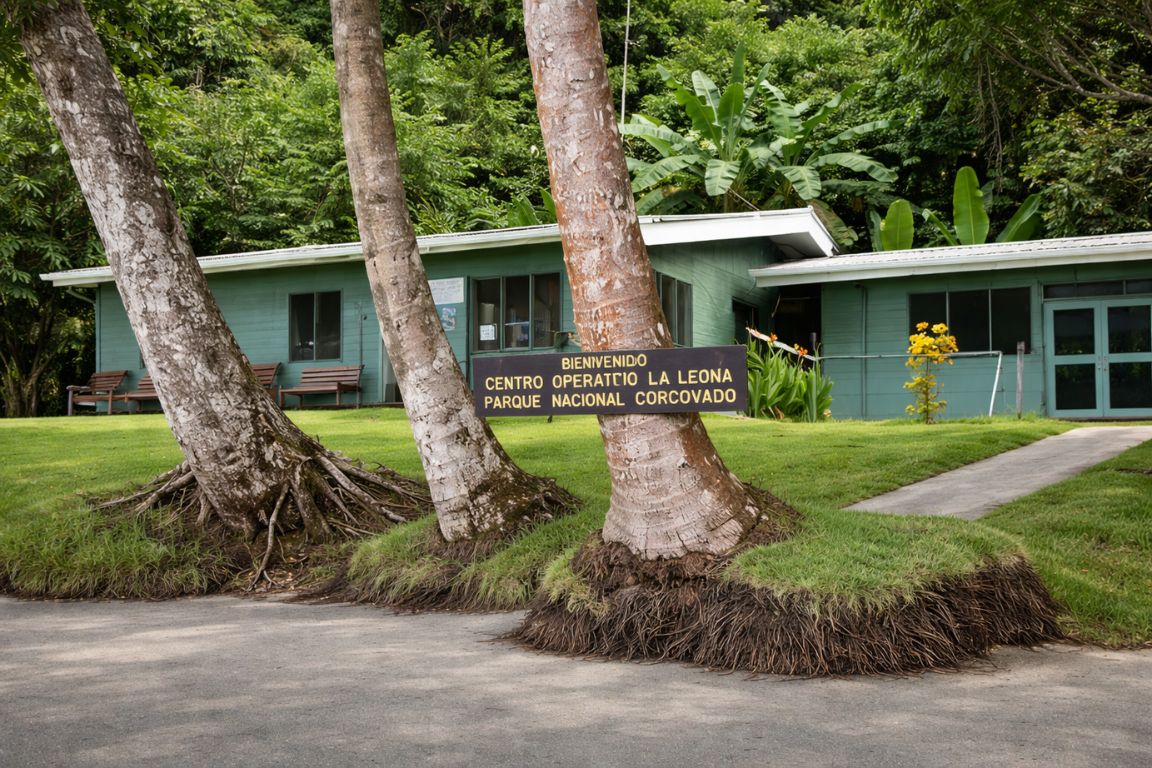 For first-time visitors, Sirena Station is the clear choice for wildlife density. La Leona (accessed from Carate near Puerto Jimenez) is the top pick if you want a shorter, more independent-feeling experience without the Sirena crowds. San Pedrillo suits travelers staying in Drake Bay who want a coastal hike over deep jungle. Los Patos is the quietest option, only reachable by foot or horseback in dry season.
Corcovado has five sectors: Sirena, San Pedrillo, La Leona, Los Patos, and El Tigre. Each one feels genuinely different. Most first-time visitors go straight for Sirena, and for good reason. It sits in the heart of the park, surrounded by primary rainforest with over 20 kilometers of trails. The wildlife here concentrates at the Sirena River mouth and the Calor River pool in ways you don’t see at the other stations. I’ve watched three different tapir species at the riverbank on a single morning at Sirena. That doesn’t happen at La Leona.
But Sirena’s popularity is also its limitation. It books up earliest. If you can’t get a Sirena permit, La Leona is a genuinely good backup, not a consolation prize. The coastal trail from Carate runs along the Pacific, crossing rivers with whatever the tide throws at you. It’s raw and physical and the wildlife on the beach section, particularly at dawn, is outstanding. Less concentrated than Sirena, but more unpredictable in the best sense.
We’ve mapped out the best trails in Corcovado National Park tours because choosing wrong means either underwhelming wildlife on easy paths or collapsing from exhaustion on routes that exceed your abilities.
Corcovado Entry Points at a Glance
| Sirena | First-timers, serious wildlife watchers | Boat from Drake Bay or Puerto Jimenez; foot from La Leona or Los Patos | Very High | Yes (80 guests max) |
| San Pedrillo | Coastal scenery, Drake Bay travelers | Boat from Drake Bay | Moderate | No (as of 2024) |
| La Leona | Beach hikers, Puerto Jimenez base | 4×4 to Carate, then on foot | Moderate-High | No |
| Los Patos | Quiet inland trails, serious hikers | La Palma (dry season only, foot/horse) | Moderate | No |
| El Tigre | Off-the-beaten-path, local experience | Puerto Jimenez area | Lower | No |
One more thing about Drake Bay versus Puerto Jimenez as your base: Drake Bay puts you closer to San Pedrillo and gives you a more remote, jungle-lodge feel. Puerto Jimenez is larger, easier to reach by road, and has more budget options. Most boat departures to Sirena leave from Puerto Jimenez pier around 5:30 AM. The trip takes roughly 90 minutes. Bring a jacket for the boat ride. It’s colder on the water than you expect at 5 in the morning.
Not sure which base makes sense? Check out our breakdown of Drake Bay vs Puerto Jiménez – they’re both Corcovado gateways but offer completely different experiences and costs.
Do You Need a Guide to Enter Corcovado National Park?
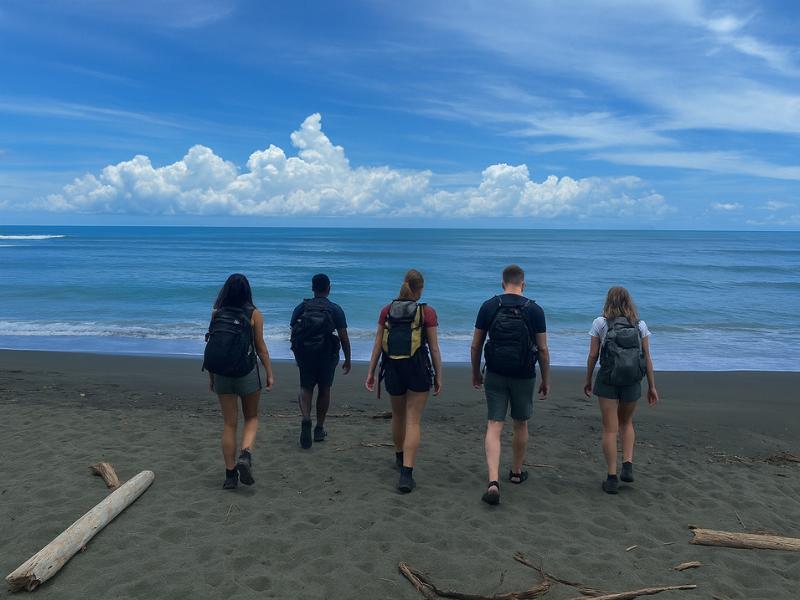
Yes, a certified guide is legally required for all visitors. This has been the rule since February 2014 and it applies to every entry point, every sector, every day. Your guide must be ICT-certified and registered in advance with the park. Freelance guides, even those with valid ICT credentials, are not permitted to operate independently inside Corcovado.
I know that sounds rigid. But here is what I’ve seen happen with the travelers who try to work around it: some get turned back at the ranger station. Some make it in and get fined. A few have described it as their most stressful day of travel. None of them say it was worth it.
More practically, Corcovado without a guide is genuinely half an experience. The trails through primary rainforest look uniform to an untrained eye. You can hike two hours through some of the most biodiverse jungle on the planet and see nothing spectacular, because you walked past a sleeping ocelot you didn’t notice, missed the movement in the canopy that was a harpy eagle, and took a wrong turn toward a swollen river crossing at the wrong tide. A guide with 500 expeditions behind them doesn’t just keep you safe. They point to a branch twelve meters above the trail and ask you to look carefully. Then you see the green eyes looking back.
Your guide also handles one more thing that matters a lot: SINAC requires the guide’s name and cedula number to be on your permit reservation before you can confirm it. You cannot book your permit without a registered guide already attached. This makes working through an operator the practical path for most travelers. The guide isn’t optional paperwork. They’re the starting point.
How Do You Get Permits and Book Your Visit?
Day permits for Sirena and other sectors are booked via email to SINAC at [email protected]. Overnight stays at Sirena require a separate booking with ADI Corcovado at [email protected]. Both systems require your full name, passport number, and your guide’s registered credentials. Payment must be completed within 48 hours of approval or the reservation lapses.
The permit process is functional, but it’s not smooth. SINAC operates email reservations between 8 AM and 12 PM, and again from 1 PM to 2:30 PM Costa Rica time. Emails sent outside those windows may not be processed. When you receive a preliminary approval, you have 48 hours to pay by bank deposit. If you’re outside Costa Rica, that bank deposit is a complication. This is the exact reason most international visitors book through a tour operator: it removes the payment headache entirely.
Permits can be booked up to 6 months in advance. During peak season, Sirena’s 100 daily day-visit spots and 80 overnight spots fill weeks or months ahead. There are no refunds and no date changes once confirmed. SINAC is firm on this. Plan your dates carefully.
A note on a common scam: there are third-party websites that look like official park reservation systems but are marketing companies. The only legitimate booking contact for day permits is [email protected]. Overnight accommodation at Sirena goes through ADI Corcovado, a separate local association. These are the only two booking channels that are real.
How Much Does It Cost to Visit Corcovado?
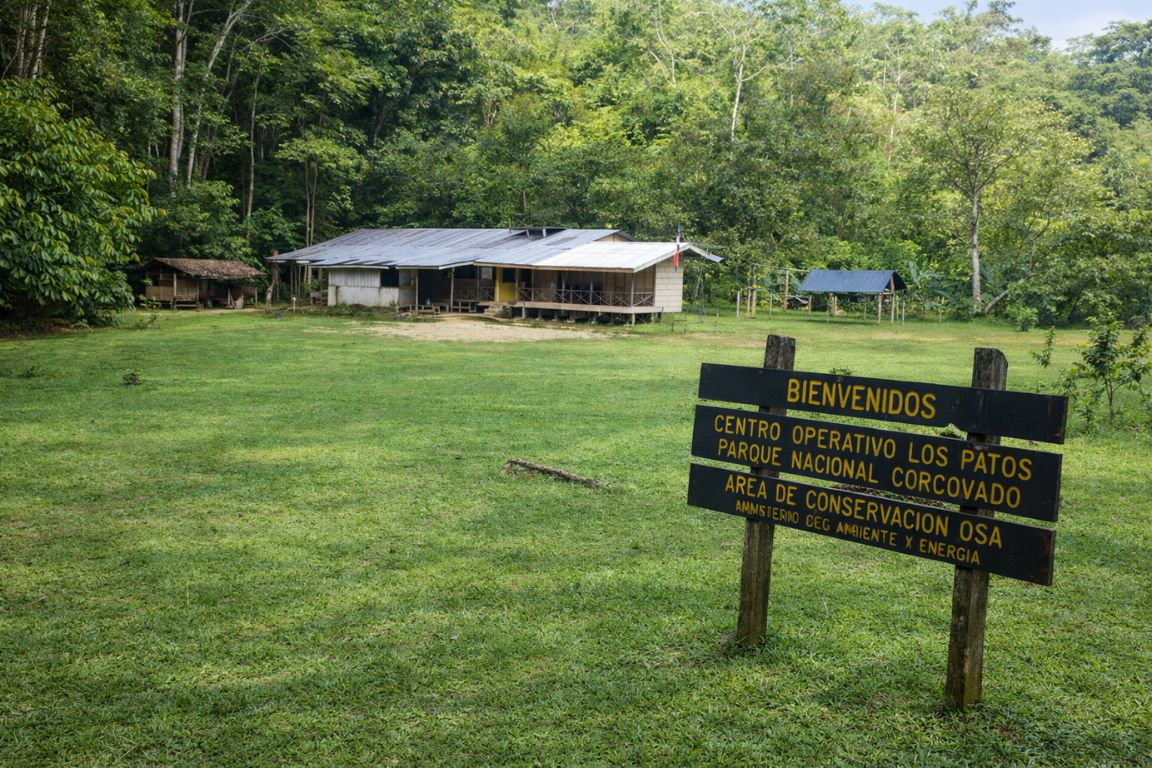 Budget at least $100 per person for a day trip to Sirena, which typically includes your boat transfer, guide fee, and park entrance fee of $15. Overnight trips run $300 and up, covering permits for multiple days ($15 per day), bunkhouse accommodation ($30/night), and meals at the station cafeteria. Multi-day guided packages with full logistics from operators start around $350 to $400+.
The $15 park entry fee is what SINAC charges every day you’re inside. An overnight trip at Sirena means you’re paying that twice, minimum. Add the bunkhouse fee of $30 per night, three meals at $20, $25, and $25, and you’re looking at $100 per day just in in-park costs before guide fees or transport. This is not a budget destination once you’re inside.
Corcovado Cost Breakdown (Per Person, Foreigners)
Prices verified March 2026
| SINAC Park Entry | $15 | $30 | $15/day, plus 13% VAT |
| Guide Fee | ~$50+ | ~$100+ | Approx. $100/day for groups up to 2 |
| Boat Transfer (Sirena) | ~$60 | ~$60 | Round trip from Puerto Jimenez/Drake Bay |
| Bunkhouse at Sirena | N/A | $30 | Via ADI Corcovado; limited beds |
| Meals at Sirena | N/A | ~$70 | Breakfast $20, lunch $25, dinner $25 |
| Estimated Total | ~$100-130 | ~$290-350 | Excludes accommodation outside park |
One thing most cost breakdowns miss: the locker at Sirena. It’s $4, small detail, but you’ll want somewhere secure to leave your gear during hikes. The outlet situation at the bunkhouse is limited. Bring a short extension cord and a portable fan if you’re staying overnight. The humidity at night is intense and that one detail makes a real difference to how much you sleep.
Day Trip vs. Overnight Stay: Which Is Right for You?
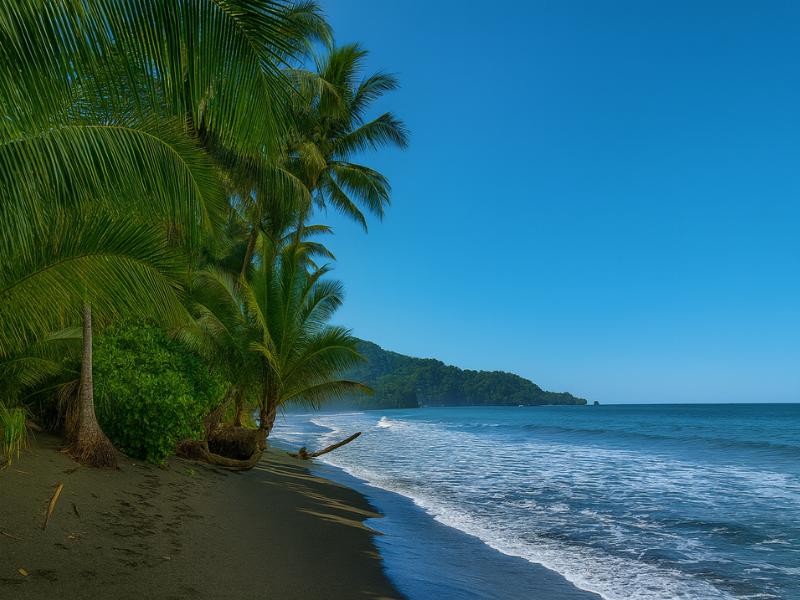
A day trip gives you 4 to 5 hours inside the park and works for travelers with limited time or lower physical tolerance. An overnight stay at Sirena gives you full access to dawn and dusk, when wildlife activity peaks, and the chance to do evening hikes that day trippers never get. If you’re coming this far to see Corcovado, the overnight is worth the extra cost and planning.
Here is the honest version of the day trip: you arrive by boat, your guide takes you through the morning trail circuit, you see good wildlife, you eat a packed lunch, and you’re back on the boat by early afternoon. You’ll spend maybe 4 to 5 hours actually inside the park. That’s not nothing. Tapirs at Sirena are common enough that you’ll likely see at least one. Scarlet macaws fly low over the beach trail at a frequency that would seem unreal anywhere else in the world.
But the park after 4 PM is a different animal. Literally. Between 4 and 6 PM, the big cats move. Pumas, and occasionally jaguars, are most active in this window. Night hikes reveal the forest’s secondary layer: poison dart frogs on the trail, coatis rooting in the leaf litter, and bull sharks visible in the Sirena River mouth if there’s any light left. None of that is available to day trippers. They’re on the boat by the time it starts.
From our 7,300+ travelers, the ones who consistently rate their Corcovado experience highest are overnight visitors who spent at least two days inside. Not because the park is disappointing on a day trip. But because the overnight format changes what you’re doing from tourism to immersion.
Curious about visiting without camping? Here’s our complete Corcovado day tour guide – what’s accessible in one day, which operators know the best routes, and realistic expectations for wildlife in limited time.
Day Trip vs. Overnight: What You Actually Get
| Time in park | 4-5 hours | 22+ hours |
| Dawn/dusk wildlife access | No (boat timing) | Yes (prime wildlife window) |
| Night hike option | No | Yes (guide required) |
| Big cat probability | Low | Significantly higher |
| Trail access (km) | ~5-8 km | Up to 20 km of Sirena trails |
| Estimated cost | ~$100-130 | ~$290-400+ |
| Physical demand | Moderate | Moderate to High |
| Advance booking window | 2-4 months peak season | 3-6 months peak season |
What Should You Pack for Corcovado?
Pack for hot, humid rainforest conditions with river crossings, zero shade on the beach sections, and unpredictable afternoon rain year-round. Essentials: waterproof hiking boots or trail runners, a quality poncho or rain jacket, a reusable water bottle (single-use plastic is confiscated at the gate), high-DEET insect repellent or Skin So Soft for the no-see-ums, dry bags for electronics, and binoculars. Leave the large rolling suitcase at your pre-park accommodation.
The gear question I get most is about footwear. Boots versus trail runners versus rubber boots. The answer depends on what you’re doing. Sirena day trips by boat generally allow trail runners. La Leona on foot in the wet season needs waterproof boots or rubber boots because you’ll be wading. The park prohibits open-toed shoes and sandals on trails. The one exception: beach sections and around the ranger station, where sandals are fine. Bring both.
The insect repellent situation has a twist most packing guides skip. Standard DEET doesn’t work on Purrujas, the no-see-ums that live on the Osa’s beaches and marshes. They’re tiny, invisible, and their bites swell badly on some people. The thing that works on them is Avon Skin So Soft. Sounds absurd. It’s true. Pack it alongside your DEET, and use the Skin So Soft specifically at beach transition zones.
Dry bags for your camera and phone are not optional. The humidity alone will get into unsealed equipment after a few hours, and that’s before any river crossings or boat spray. Bring silica gel packets and keep your electronics in a sealed case between uses. Professional photographers in our groups consistently rank moisture protection as the thing they wish they’d taken more seriously.
One more item that often gets overlooked: stomach medication. The water at Corcovado is clean, the food at Sirena is safe, but the combination of physical exertion, heat, and unfamiliar food upsets some people. A basic ORS pack and something for nausea weigh almost nothing and have saved a few trips from ending badly.
Corcovado Packing Checklist
| Footwear | Waterproof hiking boots or trail runners + sandals for station | Open-toed shoes prohibited on trails |
| Clothing | Lightweight long sleeves, quick-dry pants, moisture-wicking layers | Long sleeves reduce insect exposure significantly |
| Rain gear | Lightweight poncho or breathable rain jacket | Rain happens in every season |
| Insect protection | DEET repellent + Avon Skin So Soft (for no-see-ums on beach) | Skin So Soft is the non-obvious one that matters |
| Water | Reusable water bottle (refillable at all stations) | Single-use plastic bottles confiscated at entry |
| Electronics protection | Dry bags, silica gel packs, waterproof phone case | Humidity is relentless; protect everything |
| Wildlife spotting | Binoculars (critical), long camera lens | Most wildlife sightings are in the canopy |
| Health | ORS packs, blister pads, stomach medication, headlamp | For overnight especially; also travel insurance |
| Overnight extras | Extension cord, USB fan, personal toiletries, sheet/light blanket | Sirena has limited outlets; humidity is high at night |
When Is the Best Time to Visit Corcovado National Park?
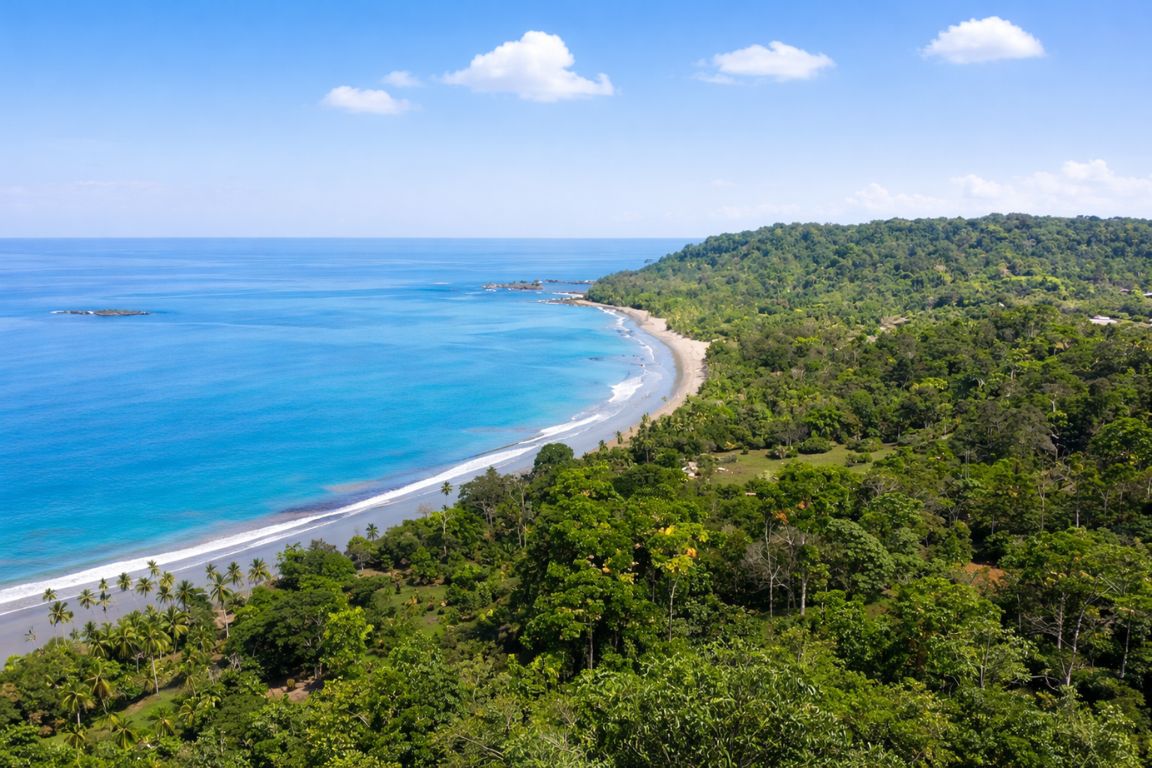 December through April is the dry season and the most popular window for a reason: trails are passable, river crossings are predictable, and wildlife concentrates around water sources in ways that make sightings more reliable. That said, Corcovado has excellent wildlife year-round. The wet season brings its own rewards, including humpback whale season (July through October from Drake Bay), sea turtle nesting, and a forest that feels genuinely alive with species most dry-season visitors never encounter.
The honest nuance about “best time” is that most travelers asking the question mean “when will I definitely see wildlife and not get rained on.” The answer to the first part is: with a good guide, year-round. The answer to the second part is: never, completely. Corcovado receives around 5,000 mm of rain annually. In the dry season, it still rains. You just get more predictable windows.
What the wet season actually looks like in practice: rain usually falls in the afternoon, leaving mornings clear. The trails are muddier and river levels are higher, sometimes impassably so after heavy nights. But the forest is fuller, the light is different, and the frog and reptile activity increases significantly. Some of the best wildlife photographs I’ve seen from our guides’ phones came from wet-season mornings with mist still on the canopy.
October is the one month to skip. Sirena and San Pedrillo close. Even if other sectors remain open, October is the park’s wettest and most disruptive month. SINAC uses the closure to maintain the infrastructure that makes everything else possible. Plan around it.
Planning ahead? Our guide to the best time to visit Corcovado National Park tours breaks down dry season crowds versus wet season challenges and what you’ll actually experience each month in this remote rainforest.
Corcovado Month-by-Month Guide
| Dec-Feb | Dry, warm, sunny | Tapirs, monkeys, macaws, reptiles at waterholes | Peak season; book 3-6 months ahead |
| Mar-Apr | Dry season tail; birding peak | Bird mating season, scarlet macaws at nests | Best for birdwatching; still crowded |
| May-Jun | Green season begins; afternoon rain | Frog activity increases; reptiles | 20-30% lower prices; fewer crowds |
| Jul-Sep | Wet; daily afternoon showers | Humpback whale season from Drake Bay; sea turtles | Whale watching peaks Aug-Sep; trails muddy |
| October | Heaviest rainfall | Limited access | Sirena and San Pedrillo closed; avoid |
| November | Park reopens; transitional | Good wildlife; lush jungle post-rain | Shoulder month; good value |
What Wildlife Can You Realistically Expect to See?
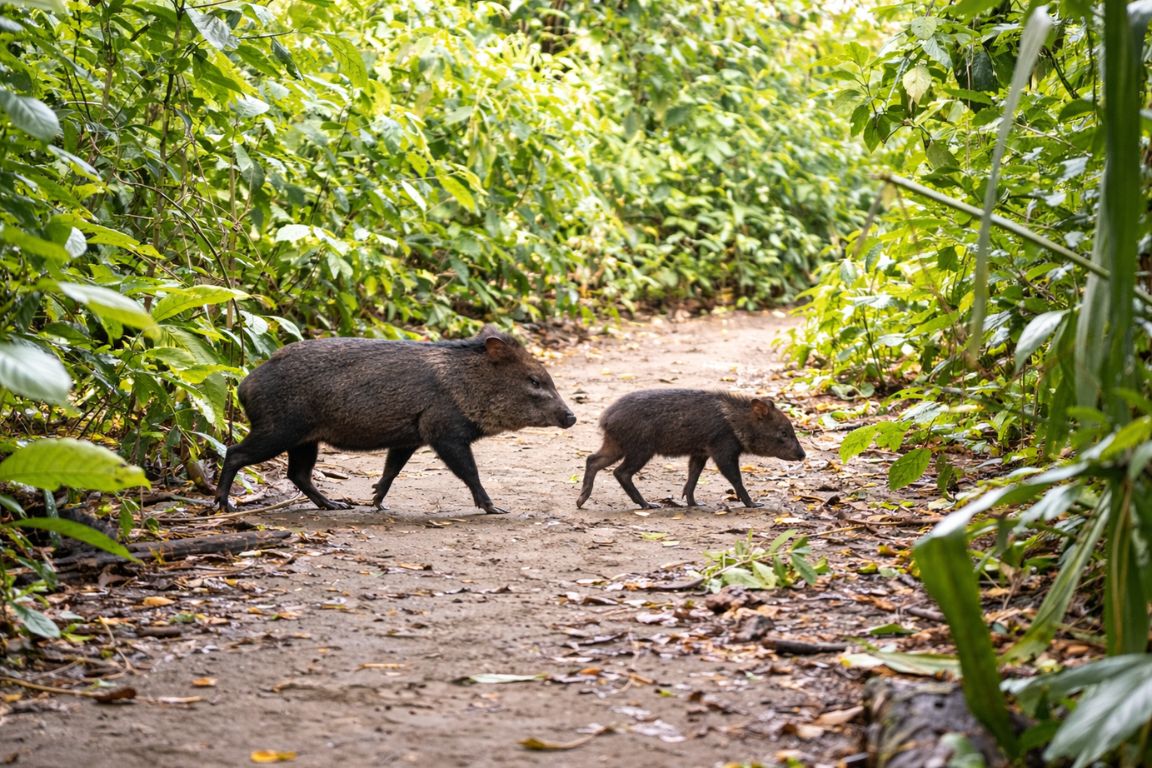 At Sirena, common sightings include Baird’s tapirs, all four Costa Rican monkey species, scarlet macaws, sloths, coatis, and a wide range of reptiles and amphibians. Pumas are rare but genuinely possible, especially during afternoon and evening hours. Jaguars exist in the park but sightings are uncommon. The rare Harpy Eagle has been confirmed at Corcovado. Bull sharks and crocodiles are visible in the Sirena River at high tide. Managing expectations honestly: wildlife is not guaranteed, but Corcovado’s density makes it the highest-probability wildlife destination on the Costa Rican Pacific coast.
The tapir question comes up constantly. In 10 years guiding at Sirena, I can count on one hand the number of full days I didn’t see at least one Baird’s tapir. They move along the beach, they wade in the river, and they show up on the path with a complete indifference to people that feels almost surreal. The first time you see one up close, around 200 kilograms of prehistoric-looking animal standing three meters away without the slightest concern for your presence, you understand why this park has the reputation it does.
The monkeys are the four species Costa Rica has: howler, spider, white-faced capuchin, and the endangered red-backed squirrel monkey. The squirrel monkey is the one that takes people by surprise. They move in large, chaotic troops and they come close. Capuchins use tools, drop objects from trees, and generally behave with a kind of intelligence that’s disarming to watch.
The big cat expectation needs honest calibration. Pumas are possible, most likely in the late afternoon near Puma Valley at Sirena, but they remain a genuine sighting rather than a reliable one. Jaguars are in the park. Our guides have documented tracks, camera trap footage, and occasional direct sightings near the Río Claro. But you should go to Corcovado for tapirs, monkeys, birds, and the forest itself. If a jaguar shows up, it’s one of those travel moments you’ll be talking about for years. It’s not the thing to build your expectations around.
One specific detail that most wildlife guides skip: the river mouth at Sirena during high tide. Bull sharks enter through the brackish water to feed. Crocodiles are resident. This is not a swimming spot. It’s also one of the most genuinely wild-feeling wildlife observations available in the park, watching apex predators working a tidal river from a safe vantage point on the bank.
If you’re going for the wildlife, here’s our breakdown of the animals of Corcovado National Park so you can set realistic expectations about what you’ll see in one of Earth’s most biodiverse places.
What Our Travelers Actually See at Corcovado: From Our 7,300+ Guided Visits
| Baird’s Tapir | 92% of trips | Dawn and dusk, riverbanks | Most reliable large mammal at Sirena |
| Scarlet Macaw | 98% of trips | Morning, coastal trails | Often in pairs; most visible Feb-May nesting season |
| All 4 Monkey Species | 85% of trips | Morning canopy activity | Squirrel monkeys in large troops; howlers heard daily |
| Three-Toed Sloth | 60% of trips | Midday (sleeping in canopy) | Requires guide’s eye; invisible without knowing where to look |
| Puma | 15% of trips | Late afternoon (4-6 PM) | Higher probability for overnight guests near Puma Valley |
| Jaguar | 2% of trips | Variable; usually early morning | Present; sightings rare but documented annually |
| Bull Shark / Crocodile | 75% of trips | High tide at Sirena River mouth | Observe from bank only; do not enter this water |
Frequently Asked Questions
Can I visit Corcovado National Park without a guide?
No. Since February 2014, all visitors must be accompanied by a locally registered, ICT-certified guide. This applies to all sectors and entry points. Independent entry is not permitted.
How far in advance do I need to book?
For peak season (December through April), book Sirena permits 3 to 6 months ahead. Overnight spots fill fastest. In the shoulder and wet seasons, 1 to 2 months is usually sufficient, but earlier is always safer given the strict daily visitor caps.
What is the difference between the SINAC booking and the ADI Corcovado booking?
SINAC ([email protected]) handles day entry permits for all sectors. ADI Corcovado ([email protected]) manages accommodation and meals at Sirena Station specifically. For overnight stays, you need both: a permit from SINAC and a bunkhouse reservation from ADI.
Is Corcovado suitable for children?
Children under 2 enter free. Older children are welcome on day trips. The key consideration is physical tolerance for heat, humidity, and 4 to 8 hours of hiking on uneven terrain. Boat transfers to Sirena can be rough in swells. Most families we guide bring children aged 8 and older for day trips, and 12+ for overnight stays.
What happens if it rains during my visit?
Rain is part of Corcovado. In the wet season, showers are usually afternoon and predictable. In the dry season, they’re shorter and less frequent but still happen. Your guide knows how to work around the weather. Pack a poncho regardless of when you visit.
Can I swim at Corcovado’s beaches?
Some beach areas are safe for swimming. The Sirena River mouth and estuaries are not. These waterways contain bull sharks and crocodiles year-round. Always confirm swimming safety with your guide before entering any water.
Written by Mateo Alejandro Rivera
Costa Rican tour guide since 2015 · Founder, Corcovado National Park Tours
Mateo has guided over 7,300 travelers through Corcovado National Park and the Osa Peninsula since founding the agency.
Your Corcovado Next Step
Choose Your Date Before Planning The Rest
One Night At Sirena From Drake Bay. Boat transfers, guided morning and afternoon walks, Sirena lodging, park fees and four meals. Check your travel date before arranging your remaining accommodation and transport.
2 days / 1 night · Meet at Rancho Corcovado Lodge at 5:50 am; briefing the day before recommended. Shared station accommodation; moderate fitness. Tips extra. Non-refundable.
Choose a date to see scheduled departures. Availability and final price are confirmed on Viator.
Initial editorial recommendation. Change the trip choices below to find a route that fits; the operator confirms suitability and availability.
Compare Routes And Adjust Your Trip
Sirena Day Trip From Drake Bay · 7–8 hours. Boat to Sirena, guided trails, park fees and lunch. Meet at Rancho Corcovado Lodge; returns to Drake Bay. Lunch location can vary; confirm with Pacheco. Not wheelchair accessible. Non-refundable.
Sirena Day Trip From Puerto Jiménez · 8 hours. Boat transport, guided Sirena trails, park tickets and lunch. Puerto Jiménez pickup must be confirmed. Wet landing; not recommended for pregnancy, spinal injuries or poor cardiovascular health. Age bands 51–69 are missing from the listing; ask the operator.
La Leona Coastal Day Hike · 10 hours. Guided coastal hiking from Carate through the La Leona sector, park admission and optical equipment. Starts and ends in Puerto Jiménez; confirm pickup. At least 10 km walking. Meals and drinking water excluded; confirm transport charges. Moderate fitness.
Compare Your Own Total Quotes
Enter two complete quotes in the same currency, including transport, meals and accommodation for the same party. A difference is not a saving unless the inclusions are comparable.
Add both totals and your party size to compare.