Corcovado Day Tour Guide
Corcovado day tours give you 4-5 hours inside the park with a guide, boat transfer, and lunch. See real prices, what’s included, and why an overnight stay is still the better experience.
Last updated: May 4, 2026
A Corcovado day tour gives you roughly 4 to 5 hours inside the park, a certified guide, boat transfers from Drake Bay or Puerto Jiménez, the park entry permit, and lunch. Most day tours go to Sirena Station, where the wildlife density is highest and the trails suit all fitness levels. Expect to pay $110-$170 USD per person from Drake Bay, and $140-$200 from Puerto Jiménez. Book at least 2 months ahead for December through April – permits sell out. The day tour is genuinely worth doing, but it is not equivalent to an overnight stay. If the overnight is feasible for your trip, do it.
What does a single booking cover? Explore the guided Sirena day from Drake Bay, with boat transport, park fees and lunch included. Explore Sirena Day Trip From Drake Bay
| Typical Duration | 8-12 hours total (4-5 hours inside the park) |
| Departure Times | ~6:00 AM from Drake Bay / ~5:20-5:30 AM from Puerto Jiménez |
| Return Times | ~2:00-4:00 PM depending on route and departure point |
| Price (Drake Bay) | $110-$160 USD per person, all-in |
| Price (Puerto Jiménez) | $140-$200 USD per person, all-in |
| What’s Included | Certified guide, boat transfer, park permit ($15-18/person), lunch, return boat |
| Group Size | Max 8 people per guide (shared tours); private tours available |
| Guide Requirement | Mandatory. ICT-certified guide required by law. |
| Book How Far Ahead | 2+ months for Dec-Apr. 1-2 weeks for green season. |
| Park Closed | October (Sirena). Check SINAC for current status. |
Prices verified March 2026. Park permit fees per SINAC. Timing based on current operator schedules from Drake Bay and Puerto Jiménez.
What Does a Corcovado Day Tour Actually Include?
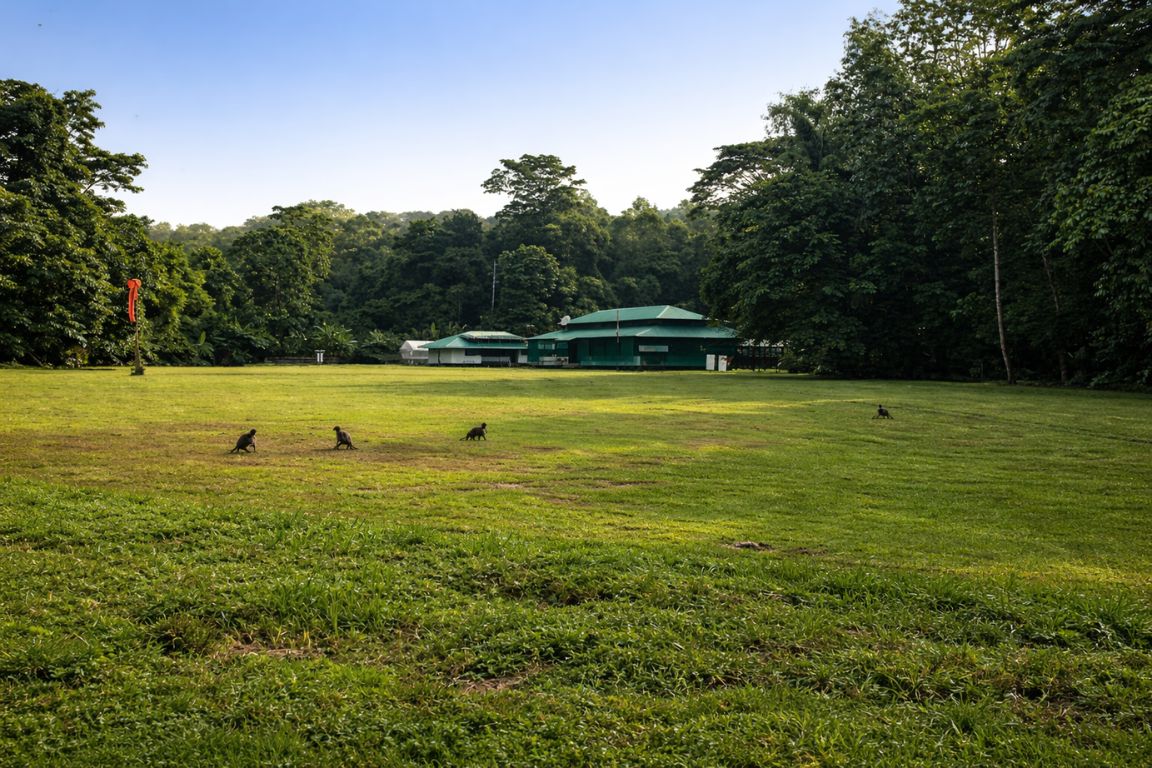 A standard Corcovado day tour includes a certified bilingual guide, round-trip boat transfer from your base (Drake Bay or Puerto Jiménez), the park entry permit, and lunch at Sirena Station. You get 4 to 5 hours inside the park, hiking the Sirena local trail network in a small group. The guide handles all logistics – permit pre-submission, tidal timing for the boat landing, and wildlife spotting on the trail. You provide your own water bottle, appropriate footwear, and sunscreen.
The word “day tour” undersells the actual scope of the experience a little. You’re not spending 4 hours in the park and the rest waiting around. The boat ride itself – particularly the Pacific coast crossing from Drake Bay or the Golfo Dulce route from Puerto Jiménez is active wildlife territory. Dolphins surface alongside the boats in the bay. In season, humpback whales are visible offshore. Scarlet macaws fly over the coastal trees as you approach the Sirena beach landing. By the time you step off the boat, the tour has been running for 45 minutes to 90 minutes already, and most groups have already seen something.
What’s included in almost every reputable day tour:
- Certified guide. ICT-certified, SINAC-registered, with their permit pre-submitted for your specific dates and passport details. The guide files this during SINAC office hours before you arrive – not on the morning of the tour.
- Round-trip boat transfer. From the beach or pier at your departure point, directly to Sirena Station beach. Wet landing on both ends – the boat runs as close to shore as the draft allows, and you wade the last few meters in. Water shoes or sandals that you can change out of quickly matter here.
- Park entry permit. The $15-$18 per person daily fee, pre-arranged by your operator. Your passport details were submitted to SINAC days or weeks ahead. Rangers at Sirena check ID against the permit list – your details must match exactly or you do not enter.
- 4 to 5 hours of guided hiking. Your guide selects from the Sirena local trail network based on current wildlife activity, recent sightings, and the group’s fitness and interests. This is where the guide quality distinction matters most – a guide who has been running these trails for years knows which tree the puma was spotted near yesterday, which river bend the tapir uses at this tide. A new guide with a certification card does not.
- Lunch at Sirena. A full Costa Rican casado – rice, beans, protein, vegetables, salad – served at the station cafeteria. Most operators include this; confirm when booking. Lunch break also provides a natural midday rest before the return boat.
What is not included in the standard price: alcoholic drinks, single-use plastic bottles (prohibited in the park), outside food (rangers check bags), tips for your guide, and personal medications or equipment.
Planning the trek to Sirena? I’ve put together a complete Sirena Ranger Station guide covering how to get there, what the basic accommodations are like, and why this remote outpost delivers Corcovado’s best wildlife experiences.
If you’d rather have the permit filing and boat timing handled for you, start with the Pacheco Tours Corcovado Hiking Day Tour to Sirena Station.
Which Day Tour Option Is Right for You?
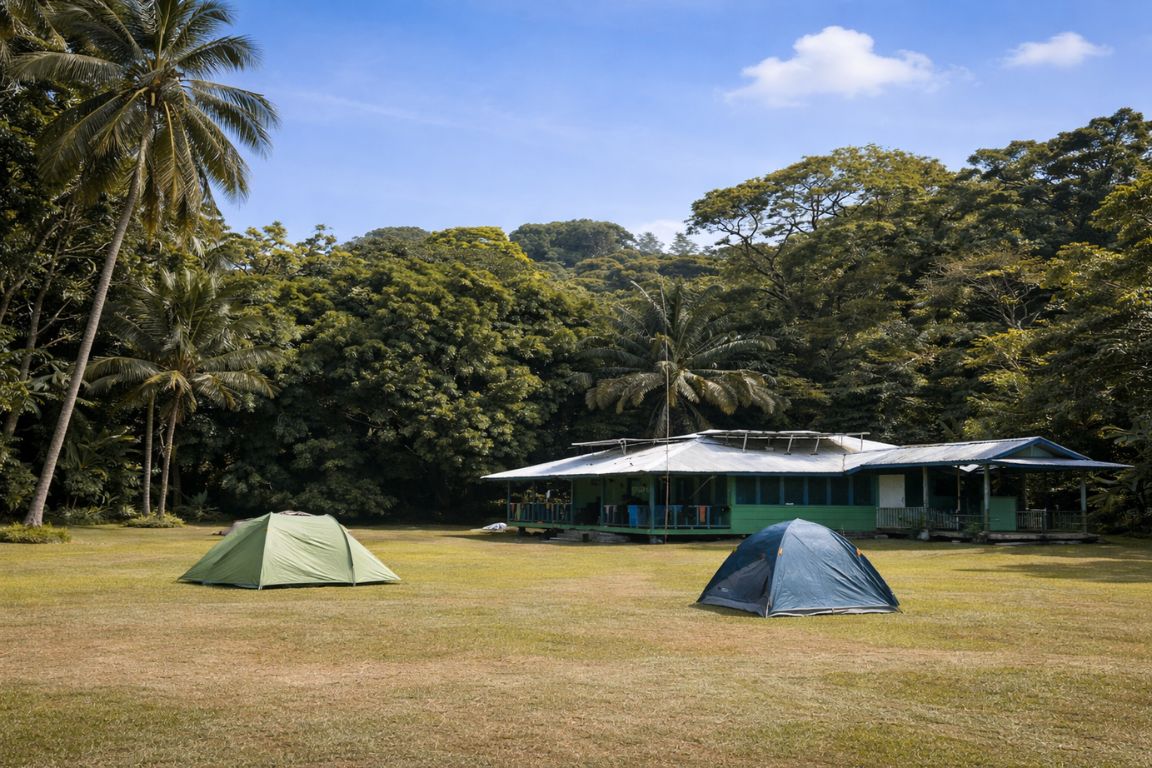 For maximum wildlife, choose Sirena. For scenic beauty and a shorter boat ride from Drake Bay, San Pedrillo is a strong option. For hikers based in Puerto Jiménez who want a trail-based experience without a boat, the La Leona route is the right call. Most day trippers should default to Sirena – it has the highest concentration of mammals, the flattest and most accessible trail network, and the only cafeteria in the park. San Pedrillo and La Leona serve specific preferences rather than general ones.
The choice between these three day tour options depends almost entirely on what you’re optimizing for, and it’s worth being specific about that before you book.
Sirena by boat is the default for good reason. The local trail network here – 8 trails covering 20 km is flat, wildlife-dense, and navigable for almost any fitness level. Tapirs walk the beach. Peccary herds cross the trails. All four monkey species are regularly sighted within the same morning. Your guide can adapt the trail selection to what’s been active recently, which isn’t possible at smaller sectors. The boat ride (45 minutes from Drake Bay, 90 minutes from Puerto Jiménez) is part of the experience rather than a logistics tax.
San Pedrillo by boat is the right choice for travelers based in Drake Bay who want a shorter boat ride, or for those whose primary interest is coastal scenery and birding rather than mammals. The La Llorona waterfall – one of only two in Costa Rica that drops directly into the ocean – is the visual highlight. Wildlife density for large mammals is lower than Sirena, but the forest is beautiful and the trails appropriate for most visitors.
La Leona on foot is for hikers with good fitness who want a trail-based approach and are based near Puerto Jiménez or Carate. The route involves a 3.5 km beach approach from Carate to the La Leona station, followed by hiking along the coastal trail. River crossings are involved. The trail is more physically demanding than Sirena’s local network, and the wildlife concentration – while good – is lower than at Sirena. It is a rewarding option for the right traveler, but the right traveler needs to be honest about their fitness and their appetite for a long, hot, exposed day.
| Sirena (boat) | Drake Bay or Puerto Jiménez | ★★★★★ Highest | Low – flat trails | Best mammal density. All 4 monkeys. Tapir sightings. Any fitness level. |
| San Pedrillo (boat) | Drake Bay | ★★★☆☆ Moderate | Low-Moderate | La Llorona waterfall. Coastal scenery. Short boat ride. |
| La Leona (foot) | Puerto Jiménez / Carate | ★★★☆☆ Moderate | Moderate-Good | Beach and forest combo. No boat needed. River crossings. |
One thing most content omits: some Drake Bay lodges default to San Pedrillo because it’s operationally easier for them – shorter boat, less coordination. If you’re staying in Drake Bay and your lodge suggests San Pedrillo without asking about your priorities, ask specifically whether Sirena is available. The extra boat time is worth it for wildlife.
If you want to explore the park, here are the best trails in Corcovado National Park tours based on difficulty, wildlife density, and which ones require serious fitness versus manageable day treks.
What Happens on a Sirena Day Tour, Hour by Hour?
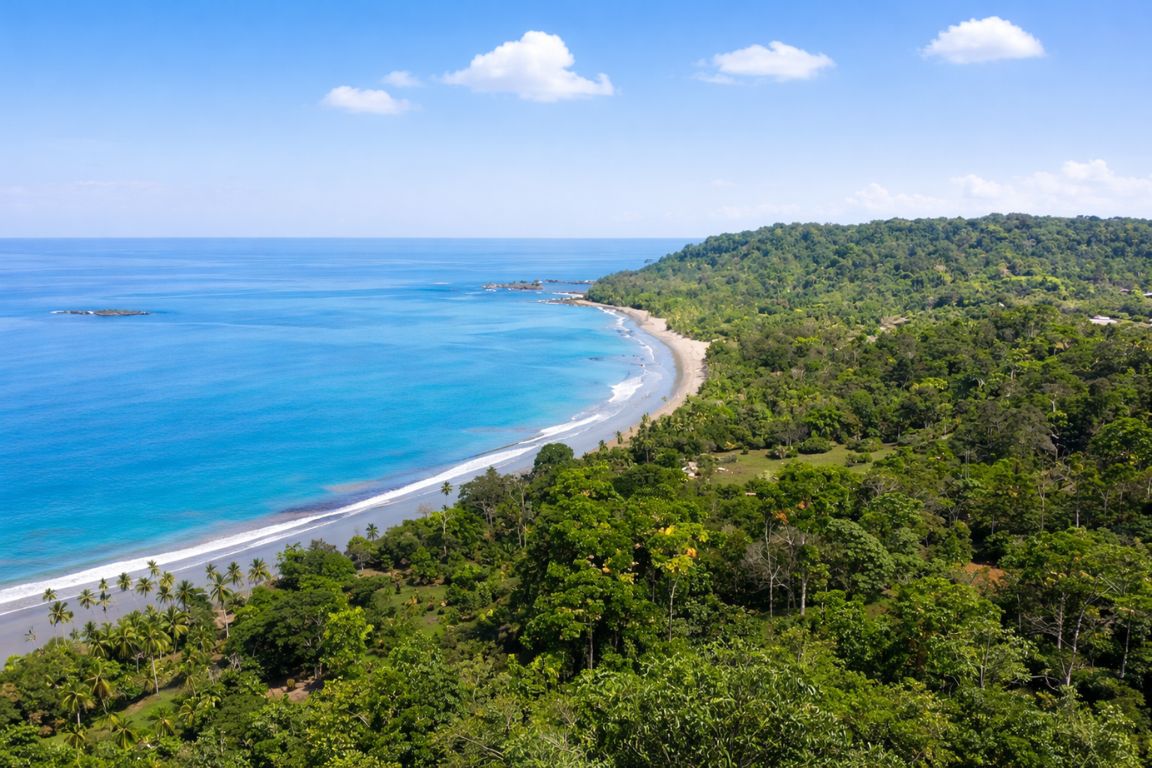 A Sirena day tour from Drake Bay starts around 6 AM, arrives at Sirena by 7 to 7:30 AM after a 45 to 60 minute boat ride, spends approximately 4 to 5 hours hiking the local trail network with your guide, takes lunch at the Sirena cafeteria, and departs back to Drake Bay around 12:30 to 1 PM, returning by 2 to 3 PM. From Puerto Jiménez, departure is around 5:20 to 5:30 AM with a 90-minute boat ride, and return is roughly 1 to 2 PM.
Here’s what actually happens, in the order it happens – useful because most tour descriptions give departure and return times without the texture of what fills the hours between.
The briefing (day before, or early morning). Many Drake Bay operators hold a mandatory pre-tour briefing the afternoon before your tour – typically 12 PM to 6 PM at their office. This is where you confirm passport details, learn the rules (no food, no single-use plastic, no leaving the trail without your guide), hear the weather forecast, and find out exactly where to meet the next morning. Some operators skip this and communicate everything via WhatsApp the evening before. Either way, confirm your exact meeting point and time the night before – Corcovado boat departures are not flexible.
5:30 to 6:30 AM – Departure. You meet your guide at the departure beach or pier. The boat is small, open, and fast. Departures must catch specific tidal windows for the Sirena beach landing, so punctuality matters. The boat ride from Drake Bay takes 45 to 60 minutes along the Pacific coast; from Puerto Jiménez it’s 90 minutes around Cabo Matapalo and up the Pacific-facing coast. Both routes offer wildlife sightings from the boat – dolphins in the bay, seabirds, and during August to November, humpback whales offshore.
7:00 to 7:30 AM – Arrival and wet landing. The boat runs as close to the Sirena beach as the draft allows. You remove shoes, hold them above water, and wade the last 10 to 20 meters to shore. Rangers check IDs against the permit list at the station – this takes a few minutes for your group. Your guide briefs you quickly on trail rules: stay behind the guide, no noise, no phone calls, keep up. The morning is the most active wildlife window of the day and your guide wants to use it.
7:30 AM to 12:00 PM – Trail time. This is the core of the day. Your guide selects trails based on recent activity – most groups spend time on the Sendero Río Claro, Sendero Ollas, or Sendero Los Naranjos, or a combination. Pace is slow, deliberate, and quiet. Stops happen whenever your guide sees something, and with a good guide, this happens constantly. Sloths in the canopy. A tapir track fresh in the mud. Leaf-cutter ant columns crossing the trail. A blue morpho butterfly. Poison dart frogs on the forest floor. Four monkey species, one at a time or all at once depending on the day.
12:00 to 12:30 PM – Lunch at Sirena. The cafeteria serves a full hot meal – rice, beans, protein, salad, fruit, juice. It is better than most travelers expect, given that all ingredients are brought in by boat and tractor once a week. Meal period is also when the day’s encounters get processed – people sit and talk about what they saw, share photographs, ask their guide questions. The guide at this point usually knows more about each person’s interests and can suggest what to keep an eye out for on the walk back to the boat.
12:30 to 1:00 PM – Departure from Sirena. The return boat from Drake Bay leaves around 12:30 PM. From Puerto Jiménez the return window is around 1 PM. These times have tidal dependencies – your guide will manage the timing. The beach walk to the boat is 5 to 10 minutes from the station.
2:00 to 3:30 PM – Return. Back in Drake Bay or Puerto Jiménez by mid-afternoon, depending on your departure point and sea conditions. The tour is officially complete when you’re dropped at the beach or pier you started from.
How Do You Get to Corcovado for a Day Tour?
 Getting to Corcovado for a day tour means getting to Drake Bay or Puerto Jiménez first – neither of which is accessible casually. Drake Bay requires a boat from Sierpe (90 minutes) or a domestic flight from San José (about 40 minutes). Puerto Jiménez is reachable by domestic flight (about 45 minutes) or an 8-hour drive from San José. Most visitors fly in. From either gateway, your tour operator’s boat handles the 45-to-90-minute leg into the park. You don’t need to arrange the park transport separately – it’s included in the tour.
The logistics of reaching the Osa Peninsula are the most complex part of a Corcovado day trip, and the part most travel content glosses over. Here’s the honest breakdown by arrival point:
Flying into Drake Bay means a domestic flight from San José’s Juan Santamaría Airport (SJO) to the Drake Bay airstrip, which takes about 40 minutes on a small prop plane (typically SANSA Airlines). The airstrip is a grass field, the planes carry 8 to 12 passengers, and weight limits are strict – usually 15 kg total including carry-on. From the airstrip, your lodge either picks you up directly or you take a short taxi to your accommodation. The whole journey from SJO to Drake Bay is 2 to 3 hours door to door. Alternatively, drive or take a bus to Sierpe (about 5.5 hours from San José) and take a boat from Sierpe to Drake Bay, a 90-minute ride through the mangroves and out into the Pacific.
Flying into Puerto Jiménez from San José takes about 45 minutes on a similar small prop plane. Puerto Jiménez has a small but functional town, making it a more flexible base for travelers who want food options, ATMs, and accommodation variety. If you’re driving from San José, the road to Puerto Jiménez is now fully paved – about 8 hours. No 4WD needed for Puerto Jiménez itself, though the road to Carate for a La Leona tour requires 4WD.
From your gateway to the park is handled entirely by your operator. You don’t need to arrange boat transport to Sirena independently – it’s included in every reputable day tour. What you do need to confirm the night before: exact meeting point (a specific beach or pier, not just “the beach”), departure time, and whether there are any changes to timing based on tidal conditions. If your operator hasn’t contacted you by the evening before your tour, reach out to them.
First time visiting Costa Rica’s most remote park? Here’s how to visit Corcovado National Park tours so you don’t show up unprepared for the mandatory guides, limited access, or serious physical demands.
| San José → Drake Bay | Domestic flight (SANSA) | ~40 min | Weight limit ~15 kg. Scenic flight over Osa. Recommended. |
| San José → Sierpe → Drake Bay | Drive + boat | ~7 hrs total | 90-min boat through mangroves. Scenic but long. |
| San José → Puerto Jiménez | Domestic flight (SANSA) | ~45 min | Weight limit applies. More accommodation and ATM options than Drake Bay. |
| San José → Puerto Jiménez | Drive | ~8 hrs | Fully paved road. Long but doable. No 4WD needed for PJ. |
| Drake Bay → Sirena (park) | Operator boat | ~45–60 min | Included in tour. Pacific coast route. Wet landing at Sirena beach. |
| Puerto Jiménez → Sirena (park) | Operator boat | ~90 min | Included in tour. Golfo Dulce route – calmer water than Drake Bay. |
Travel times approximate. Domestic flights subject to weather cancellations. Verify current flight schedules with SANSA before booking. Data verified March 2026.
What Should You Bring on a Corcovado Day Tour?
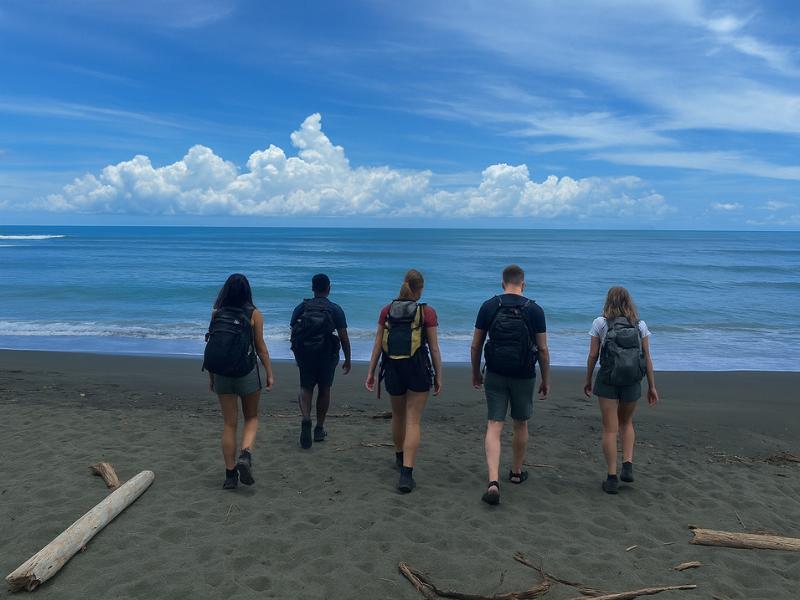
For a day tour, pack light – a 20 to 25 litre day pack is plenty. The non-negotiables are waterproof hiking shoes or trail runners, a reusable water bottle (3 litres minimum – single-use plastic is prohibited and confiscated), insect repellent, sun protection, and a dry bag or waterproof pouch for your phone and passport copy. Leave your main luggage at your hotel. Everything on this list is functional, not precautionary – Corcovado will test all of it.
One upfront clarification: the park has a strict no outside food rule. Rangers check bags at the station entrance. You can bring sandwiches, energy bars, granola, nuts, and dried fruits for the trail section before you reach Sirena but no food is permitted inside or near the station itself, and no food packaging should enter the park. Lunch is provided at the Sirena cafeteria and is included in your tour price.
Here’s what actually matters, separated from what’s optional:
Non-negotiable:
- Footwear. Closed-toe hiking shoes or trail runners with grip. Sandals and open-toed shoes are not permitted on trails. Bring water sandals or flip-flops for the boat landing and to change into at the station – your hiking shoes should be dry when you start the trail. Knee-high socks prevent blisters and provide some insect protection.
- Reusable water bottle, minimum 3 litres. You will drain it. Potable water is available at Sirena for refills. Single-use plastic bottles are confiscated at the park entrance without exception.
- Insect repellent. Cream-based rather than spray, eco-friendly where possible. For the coastal sections of any route, a purruja-resistant formula (such as Skin So Soft) works better than standard DEET against the tiny no-see-um insects near the beach.
- Sun protection. Hat, sunglasses, SPF 30+ sunscreen. The boat ride is fully exposed. Beach sections near the station have no shade. Even if it’s overcast, UV exposure at this latitude is high.
- Dry bag or waterproof pouch. For your phone, camera, and passport copy. The boat landing involves water. The humidity inside the park means condensation on electronics is real even without rain.
- Passport copy. Rangers verify IDs against the permit list. Bring a photocopy or a clear photo on your phone in a waterproof pouch rather than the original document.
Recommended:
- Lightweight rain jacket. Packable, not a poncho – something you can put on and take off in 30 seconds when the afternoon rain arrives.
- Binoculars. Compact 8×42 or 10×42. Your guide has binoculars and a spotting scope for shared use, but having your own means you can lock onto a target the moment your guide points rather than waiting in queue.
- Extra pair of socks and a dry shirt. In a small dry bag. For after the boat landing and before the trail. Starting dry makes a meaningful difference over a full day.
- Swimwear. Some trails pass river pools. The hike from La Leona passes the Madrigal River, where swimming is optional. Not critical but adds to the experience.
- Small amount of cash. For the Sirena gift shop (souvenirs, snacks), tips for your guide, or emergencies. There are no ATMs on the Osa Peninsula outside Puerto Jiménez and Palmar Norte.
Leave behind: Your main luggage (store it at your hotel), any food in packaging, single-use plastics of any kind, alcohol, tobacco products, and drones (prohibited without prior authorization).
How Much Does a Corcovado Day Tour Cost?
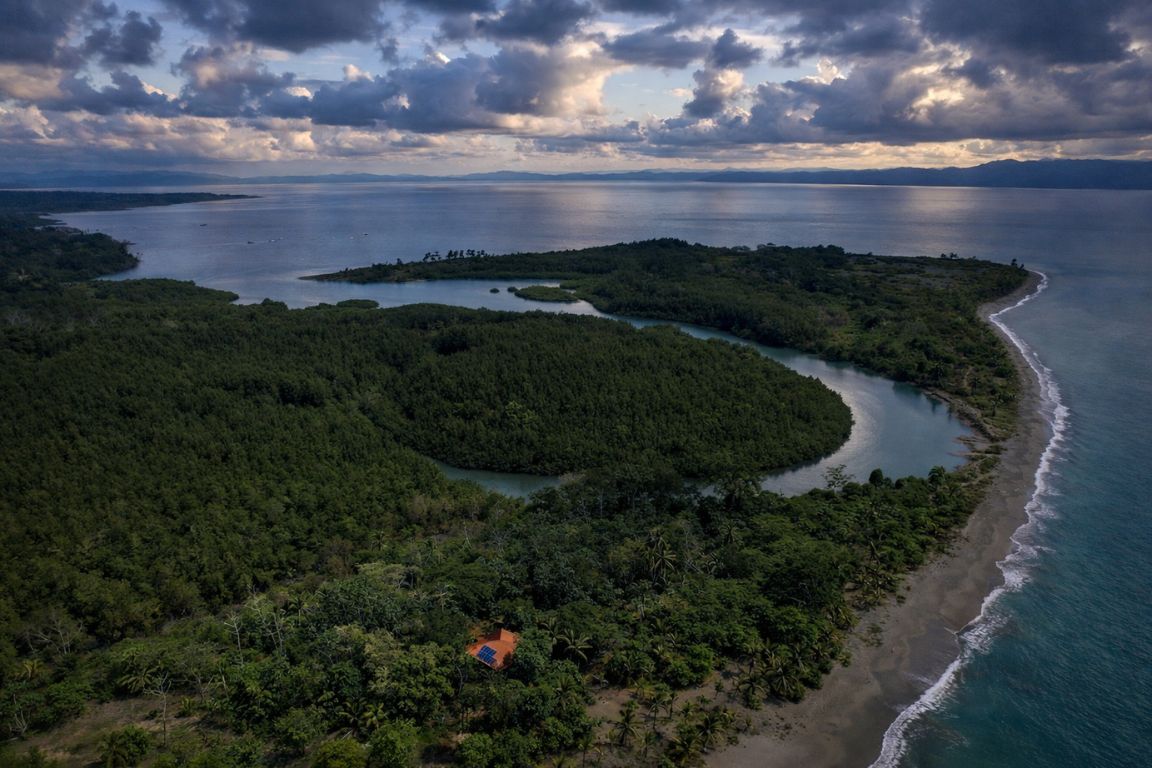 A standard Corcovado day tour to Sirena costs $110-$160 USD per person from Drake Bay and $140-$200 per person from Puerto Jiménez, all-in. These prices include the guide, round-trip boat, park permit, and lunch. Private tours run higher – typically $300-$500 for two people from Drake Bay. The price difference between departure points reflects the longer boat ride and greater logistics from Puerto Jiménez.
Day tour pricing is fairly stable across reputable operators, which makes comparison shopping less important than evaluating guide quality. The range within the $110-$170 bracket from Drake Bay doesn’t represent a significant difference in what you receive – it reflects small variations in group size caps, lunch quality, and equipment provided. The operators charging significantly below this range are typically compromising on guide experience or group size.
We’ve broken down Drake Bay vs Puerto Jiménez so you can figure out which works for your trip – more remote and expensive versus more accessible with budget options.
| Shared Day Tour to Sirena | Drake Bay | $110-$160/person | Guide, boat, permit, lunch |
| Shared Day Tour to Sirena | Puerto Jiménez | $140-$200/person | Guide, boat, permit, lunch |
| Private Day Tour to Sirena | Drake Bay | $300-$500 for 2 people | Exclusive guide, boat, permit, lunch |
| Shared Day Tour to San Pedrillo | Drake Bay | $100-$140/person | Guide, boat, permit, (lunch may vary) |
| La Leona Day Hike | Puerto Jiménez / Carate | $100-$150/person | Guide, transport to Carate, permit, packed lunch |
| Park Entry Permit (included in above) | Any | $15-$18/person/day | Managed by operator. Prices verified March 2026. |
All prices approximate and verified March 2026. Christmas and Easter periods carry surcharges. Taxes (13% IVA) may or may not be included – confirm when booking.
A few costs that catch travelers off guard: there are no ATMs in Drake Bay, so carry cash before you leave Puerto Jiménez or Palmar Norte. Tips for guides are not included in tour prices but are genuinely appreciated – a typical tip for a good full-day guide is $15-$30 per person. The Sirena gift shop sells souvenirs and some snacks, so a small amount of local cash on hand makes sense.
Is a Day Tour Enough or Should You Stay Overnight?
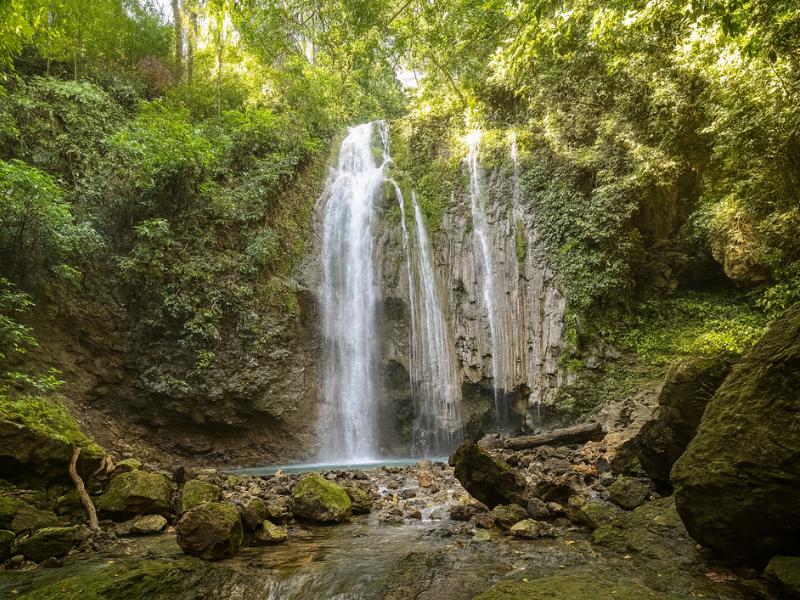
A day tour gives you a real, meaningful experience in one of the world’s most biodiverse parks. It is not equivalent to an overnight stay. The overnight gives you access to dawn (5 AM) and dusk (4-6 PM) – the two windows when Corcovado’s mammals are most active – plus 22 hours in the park versus 4 to 5. If you have the time, budget, and availability for an overnight, it is the stronger experience by a significant margin. The day tour is the right choice when the overnight isn’t logistically feasible.
We run the day tour and the overnight at Sirena, so this isn’t a sales argument. It’s an honest assessment based on 10 years of watching what travelers experience on each.
The day tour arrives at Sirena around 7:30 AM, after the dawn wildlife window has already closed. It departs by 12:30 PM, well before the afternoon activity spike that peaks at 4 to 6 PM. Day trippers hike during the park’s quietest window – midday heat, at maximum solar intensity, when mammals are resting and activity is at its lowest. The wildlife is still extraordinary by most standards. But day trippers are working against the park’s natural rhythms.
Overnight guests wake at 5 AM for a dawn hike before the day trippers arrive by boat. They’re on the trail when tapirs are still on the beach, when howler monkeys begin their roar before sunrise, when the forest is cool and the animals are moving. They eat lunch, rest, hike again in the afternoon heat, then go back out at 4 PM when the forest shifts again – the window when our guides have produced the most puma sightings of any part of the day. After dinner they sit on the station porch in a dark that has no light pollution and listen to a forest that sounds completely different at night.
The honest assessment: if your only option is a day trip, do it without hesitation. Corcovado on a day tour is still one of the best wildlife experiences in Costa Rica. But if the overnight is possible – even a single night – the experience shifts from remarkable to something closer to life-altering. The data from our client surveys is consistent on this: 96% of overnight guests describe it as the highlight of their Costa Rica trip. Day trip clients report high satisfaction and frequently say the one thing they wish they’d done differently was stay overnight.
Want to know what to look for? Our guide on the animals of Corcovado National Park covers which species live here, your actual odds of spotting them, and why guides make a massive difference in wildlife encounters.
How Do You Book a Corcovado Day Tour and How Far in Advance?
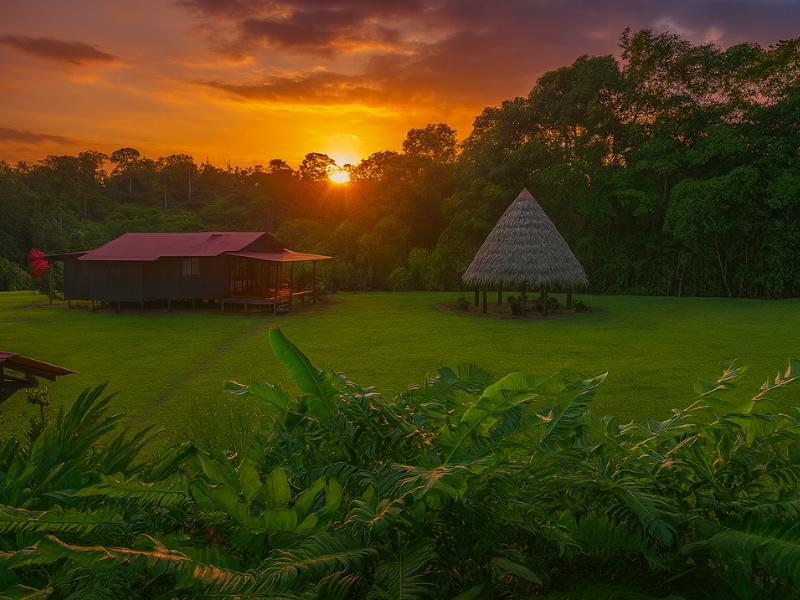
Book a Corcovado day tour through an established tour operator in Drake Bay or Puerto Jiménez – not through SINAC directly, not through a hotel concierge who refers to a third party, and not by showing up and asking around. During peak season (December through April), book at least 2 months ahead. Christmas and Easter require 3 to 4 months minimum. Green season (May to September) can typically be arranged 1 to 2 weeks ahead. The permit requires your full name and passport number submitted to SINAC before your tour date – this cannot be done day-of.
The booking process for a Corcovado day tour is more complex than booking most tours anywhere in the world, and understanding why helps avoid frustration.
Every visitor’s name and passport number must be pre-submitted to SINAC by the tour operator during SINAC office hours (8 AM to 12 PM and 1 PM to 2:30 PM Costa Rica time) on the working days before your visit. SINAC processes these requests and confirms permit allocation. Payment must be made within 48 hours of preliminary approval. No refunds or date changes are available once payment is confirmed. The Sirena day visit limit is 100 people per day – when those slots fill, they are gone. There is no waitlist.
What this means practically:
- Book before you fly to Costa Rica. Especially for December through April. Travelers who plan to sort Corcovado out “when they get to Drake Bay” routinely find that the dates they want are already full.
- Have every passport number ready when you book. Your operator cannot start the permit process without them. Submitting partial group information and adding names later creates permit complications.
- Book directly with the operator, not through a hotel concierge who refers out. The extra layer between you and the actual permit-holder introduces confusion about what’s confirmed and what’s just intended.
- Confirm your departure details the evening before. Boat times have tidal dependencies. Your operator will contact you, but if they haven’t by 6 PM the night before, reach out. Knowing the exact meeting point, time, and any weather-related adjustments before you wake up at 5 AM is not a minor convenience.
- Check refund and cancellation policies before paying. Most operators do not refund park permits once purchased. Some allow tour date changes under certain conditions. Weather cancellations are handled differently – the park typically offers a 30-day rescheduling window when it closes due to a meteorological alert, but individual rain days without a formal closure are the traveler’s risk.
What Our Travelers Say About the Day Tour Experience: Data from 7,300+ Corcovado Visits
After guiding more than 7,300 travelers through Corcovado since 2015, we track what clients experience on day tours versus overnight stays, and what they wish they’d known before booking.
| Rated the tour as excellent or outstanding | ~88% |
| Said they would have stayed overnight if they’d understood the difference | ~68% |
| Wildlife sightings: all 4 monkey species in one visit | ~64% |
| Wildlife sightings: Baird’s tapir | ~28% |
| Wildlife sightings: any wild cat (puma, ocelot, jaguar) | ~4% |
| Most common regret | Booked a day tour when an overnight was financially and logistically possible |
| Second most common regret | Didn’t bring binoculars – missed canopy detail the guide could see clearly |
| Said the boat ride itself was a wildlife highlight | ~71% (dolphin sightings or whale sightings in season) |
Data from post-trip surveys, 2019-2025 client cohort. Wildlife sightings are never guaranteed and vary with season and trail conditions.
Frequently Asked Questions
Can you do a Corcovado day tour without a guide?
No. A certified, SINAC-registered guide is legally required for all visitors to Corcovado National Park, including day trippers. There is no self-guided option anywhere in the park. Your guide also submits your passport details to SINAC as part of the permit process – you cannot enter without this pre-registration.
What’s the difference between a Drake Bay and Puerto Jiménez day tour?
Drake Bay offers a shorter boat ride to Sirena (45-60 minutes), earlier arrival in the park, and access to the San Pedrillo sector. Puerto Jiménez has a longer boat ride to Sirena (90 minutes) but is calmer water on the Golfo Dulce route, and is the natural base for La Leona trail day hikes. Drake Bay day tours tend to be slightly cheaper due to shorter boat logistics.
Is a Corcovado day tour worth it if I can’t stay overnight?
Yes, without question. A day tour to Sirena still delivers 4 to 5 hours in the highest wildlife density zone in the park, with a certified guide who knows where the animals are. You’ll very likely see all four monkey species, sloths, coatis, macaws, and possibly tapirs, crocodiles, and more. It’s an extraordinary experience on its own terms. The overnight simply offers more.
How much food can you bring on a Corcovado day tour?
You can bring sandwiches, energy bars, granola, nuts, and dried fruits for the boat ride and any trail section before entering the station area. No food is permitted inside the Sirena Station perimeter. Rangers check bags at the park entrance. No single-use plastic bottles or packaging of any kind is allowed inside the park.
What happens if it rains on my Corcovado day tour?
Rain is part of the Corcovado experience and tours operate in rain unless a formal meteorological alert closes the park, which happens fewer than 5 days per year. Brief intense tropical showers are common, particularly in the afternoon. Your guide manages route choices around weather. Tours are not refunded for rain alone. If the park closes due to a weather emergency, most operators work with SINAC’s 30-day rescheduling window to find an alternative date.
Can children do a Corcovado day tour?
Older children with reasonable fitness do well on Sirena day tours – the local trails are flat and the pace is manageable. Children under 7 are generally not recommended for any Corcovado tour due to heat, humidity, and physical demands. For families with children aged 8 to 12, Sirena by boat with the local flat trail network is the most appropriate option. Confirm with your operator whether specific age restrictions apply to their tours.
Written by Mateo Alejandro Rivera
Costa Rican tour guide since 2015 · Founder, Corcovado National Park Tours
Mateo has guided over 7,300 travelers through Corcovado National Park and the Osa Peninsula since founding the agency.
Your Corcovado Next Step
Choose Your Date Before Planning The Rest
Sirena Day Trip From Drake Bay. Boat to Sirena, guided trails, park fees and lunch. Check your travel date before arranging your remaining accommodation and transport.
7–8 hours · Meet at Rancho Corcovado Lodge; returns to Drake Bay. Lunch location can vary; confirm with Pacheco. Not wheelchair accessible. Non-refundable.
Choose a date to see scheduled departures. Availability and final price are confirmed on Viator.
Initial editorial recommendation. Change the trip choices below to find a route that fits; the operator confirms suitability and availability.
Compare Routes And Adjust Your Trip
One Night At Sirena From Drake Bay · 2 days / 1 night. Boat transfers, guided morning and afternoon walks, Sirena lodging, park fees and four meals. Meet at Rancho Corcovado Lodge at 5:50 am; briefing the day before recommended. Shared station accommodation; moderate fitness. Tips extra. Non-refundable.
Sirena Day Trip From Puerto Jiménez · 8 hours. Boat transport, guided Sirena trails, park tickets and lunch. Puerto Jiménez pickup must be confirmed. Wet landing; not recommended for pregnancy, spinal injuries or poor cardiovascular health. Age bands 51–69 are missing from the listing; ask the operator.
La Leona Coastal Day Hike · 10 hours. Guided coastal hiking from Carate through the La Leona sector, park admission and optical equipment. Starts and ends in Puerto Jiménez; confirm pickup. At least 10 km walking. Meals and drinking water excluded; confirm transport charges. Moderate fitness.
Compare Your Own Total Quotes
Enter two complete quotes in the same currency, including transport, meals and accommodation for the same party. A difference is not a saving unless the inclusions are comparable.
Add both totals and your party size to compare.