Best Time to Visit Corcovado National Park
Wondering when to visit Corcovado? Discover the best season for wildlife, when prices drop by 40%, why October is a no-go, and how early you need to book before permits sell out.
Last updated: May 4, 2026
The dry season, mid-December through April, is the most popular and logistically straightforward time to visit Corcovado. Trails are firm, river crossings are safe, and wildlife concentrates at water sources. The green season (May to November) offers dramatically lower crowds, 20-40% cheaper lodges, and a forest that feels more alive. October is the one month to skip – Sirena Station closes entirely. For the best wildlife, book an overnight stay whenever possible, regardless of when you go. Permits fill months ahead during high season: book early or you won’t get in.
Wondering how a station night fits your travel month? Explore the Sirena overnight and compare day-trip options after the seasonal guide. Explore One Night At Sirena From Drake Bay
| First-time visitors | January – March | Easiest conditions, best trail access |
| Wildlife (general) | December – April | Dry trails concentrate animals at water sources |
| Tapir sightings | February – March | Most active at dry season water sources |
| Big cats (puma/jaguar) | July – October | Highest probability near Sirena during green season |
| Humpback whales (offshore) | August – October (peak) | Southern hemisphere population. Northern humpbacks Dec – Feb. |
| Sea turtle nesting | August – January | Peak October. Hatchlings October – January. |
| Baby monkeys / mammals | April – May | Best for young animal sightings |
| Budget travelers | May – June, November | Shoulder months: 20-40% lower lodge rates, far fewer crowds |
| Avoid | October | Sirena closes. Heaviest rain. Many lodges closed. |
| Book permits by | 3-6 months ahead for Dec-Apr | SINAC accepts reservations up to 6 months in advance |
Sources: SINAC official records, Osa Peninsula nature calendar, operational data from Corcovado National Park Tours. Prices verified March 2026.
Is There Really a “Best” Time to Visit Corcovado or Does It Depend?
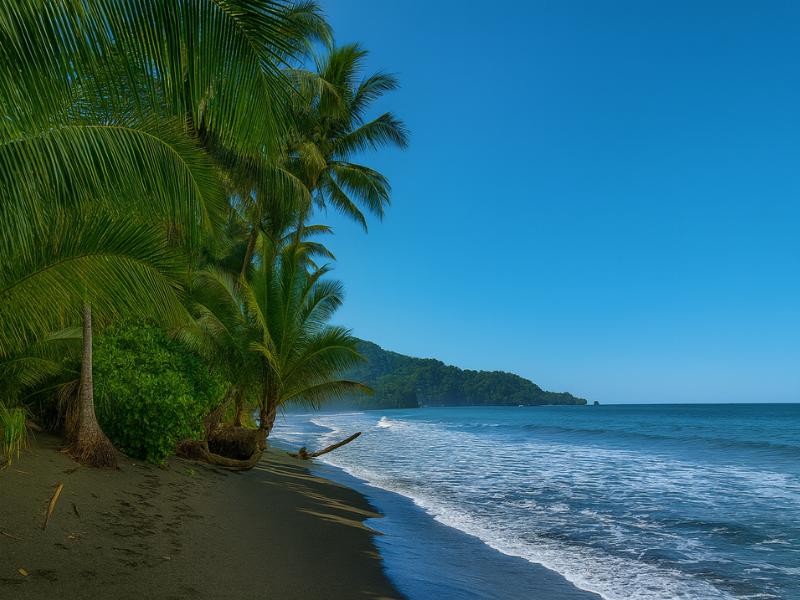
There is a best time, but it depends on what you’re optimizing for. December through April gives you the easiest logistics, firmest trails, and most predictable conditions – it’s the right choice for most first-time visitors. The green season (May to November) offers genuinely better experiences for wildlife photographers, budget travelers, and anyone who wants fewer people on the trail. No single month is ideal for everything at once.
People ask this question expecting a simple answer. They want someone to say “January” or “March” and leave it there. After guiding more than 7,300 travelers through this park across every month of the year, I can tell you the honest answer is more interesting than that.
Corcovado is not a park that shuts down in the rain. It is a rainforest. The wildlife is there in July the same way it’s there in February – in some cases, more of it, more active, closer to the trails. What changes between seasons isn’t the park itself, it’s the conditions you’re navigating. Mud. River levels. Boat feasibility. Permit availability. Pricing. The specific wildlife events you came for.
So before anyone books flights, these are the three questions that actually determine which month is best for a given traveler:
- What are you most hoping to see or experience? There are specific windows for tapirs, big cats, whales, sea turtles, and baby mammals that don’t overlap. If you have a target, the timing matters.
- How much does weather affect your enjoyment? Some travelers love a misty green-season forest. Others find rain genuinely stressful on a hiking trip. Both reactions are valid, and they point toward different months.
- What’s your budget and how flexible are your dates? The cost difference between January and June, for the same tour, can be 30-40%.
We’ll answer all of it below, month by month.
What Is the Dry Season Like in Corcovado and Who Is It Best For?
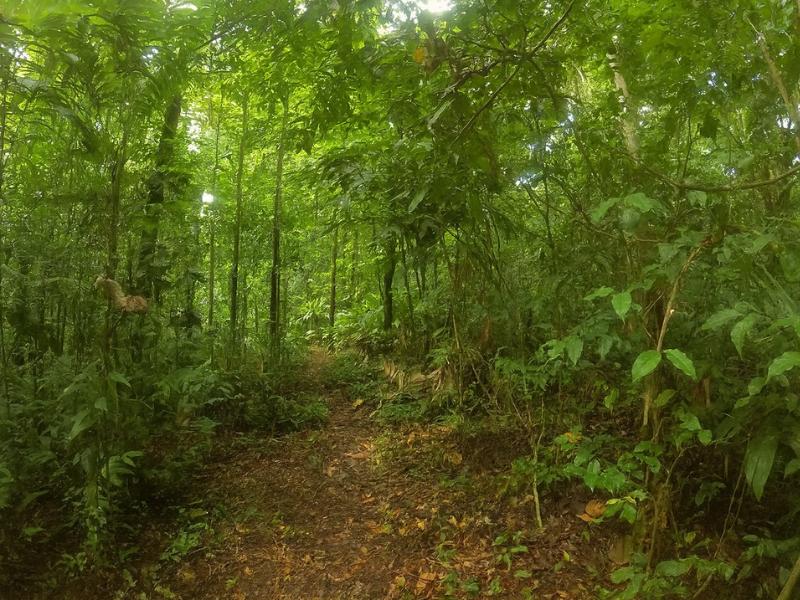
The dry season runs mid-December through April. Trails are firm, river crossings are at their lowest and safest levels, ocean conditions make boat transfers more comfortable, and wildlife congregates at water sources making sightings more consistent. It is also the most expensive, most crowded period, and the window when permits sell out fastest. For first-time visitors who want reliable conditions and straightforward logistics, this is the right time to come.
Mid-January through March is Corcovado at its most operationally smooth. The Osa Peninsula gets around 78 mm of rain in February compared to 739 mm in October. That’s not just a weather difference. It’s the difference between trails you can hike in trail runners and trails that turn into knee-deep mud bogs. River crossings that reach your knees versus your chest. Boat rides that take 45 minutes versus ones that get cancelled because the Pacific swell is too dangerous.
For most travelers, the dry season removes friction. You show up, the logistics work, the park is accessible. The wildlife is good – not because there’s more of it, but because animals cluster near the shrinking water sources and the vegetation thins slightly, making spotting easier. Tapir sightings in February and March are reliably high. Peccary herds of 50 to 200 animals move through the interior trails in ways that feel almost theatrical.
The downsides are real and worth naming clearly. February and March are the hottest months – daytime temperatures of 30°C with humidity above 85%. Midday hiking is punishing. Sirena Station’s overnight slots fill months ahead for December through April, and the best Drake Bay eco-lodges require reservations 6 months in advance for peak season. Christmas week and Semana Santa (Easter) carry surcharges on top of already elevated prices. And the park, while never truly crowded by international standards, is noticeably busier than it is the rest of the year.
Dry season is right for you if you’re a first-time visitor who wants everything to go smoothly, if you’re traveling with family including children, or if you have non-negotiable dates that fall in these months. If your dates are flexible, read the next section before you decide.
If you want to explore the park, here are the best trails in Corcovado National Park tours based on difficulty, wildlife density, and which ones require serious fitness versus manageable day treks.
What Is the Green Season Like and Is It Worth Considering?
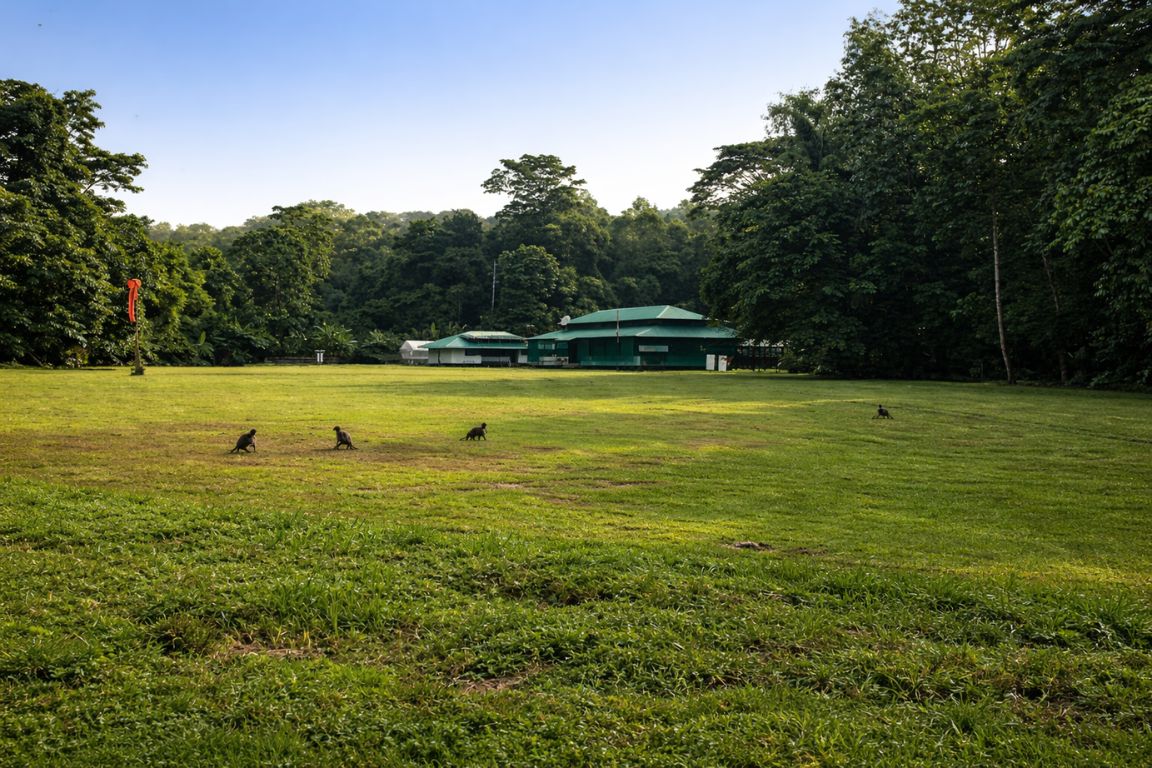 The green season runs May through November. Rain comes in short, intense afternoon bursts rather than all-day downpours, and the forest responds with a density and color the dry season can’t match. Crowds drop sharply, lodge rates fall 20-40%, and permit availability opens up considerably. The tradeoff is muddier trails, more complex river crossings, and October closures at Sirena Station. For experienced hikers and wildlife-focused travelers, the green season is genuinely underrated.
Here’s what nobody tells you about the rainy season at Corcovado: most of the rain falls at night or in predictable afternoon windows. Mornings are often clear. You hike from 5 AM to noon, the forest dripping and steaming and alive in a way the dry season doesn’t replicate, and by the time the afternoon rains arrive you’re back at the station or on the boat heading out.
The forest in the green season is a different animal. The canopy is at maximum density. Bioluminescent fungi appear on fallen logs. The frog and amphibian activity spikes. The smell of wet earth is everywhere. Photographs from green-season visits consistently have a drama and richness that dry-season images, for all their clear skies, sometimes lack.
Wildlife behavior shifts in ways that actually benefit certain sightings. Big cat probability near Sirena is reportedly higher from July through October – the reasoning, based on our guides’ observations over years, is that prey animals become more concentrated near trails and water as the forest responds to the season. Humpback whales are offshore in enormous numbers from August through October. Sea turtles are nesting on the beaches from August through January.
The practical challenges are real though. River crossings during the green season can be chest-deep and require careful timing around tides. Some trail sections close temporarily. The La Leona coastal approach is substantially harder after heavy rain. Anyone planning to do the multi-day hiking routes should take the rainy season seriously – not as a reason to avoid it, but as a reason to go with an experienced guide who knows the river behavior and timing.
If you’d rather have us manage the seasonal logistics so you can focus on the experience, our team at Corcovado National Park Tours handles everything from permit timing to route selection based on current conditions.
If you’re considering the overnight trek, here’s our Sirena Ranger Station guide so you understand what’s involved in reaching and staying at Corcovado’s most remote and wildlife-rich station.
Which Month Has the Best Wildlife Viewing in Corcovado?
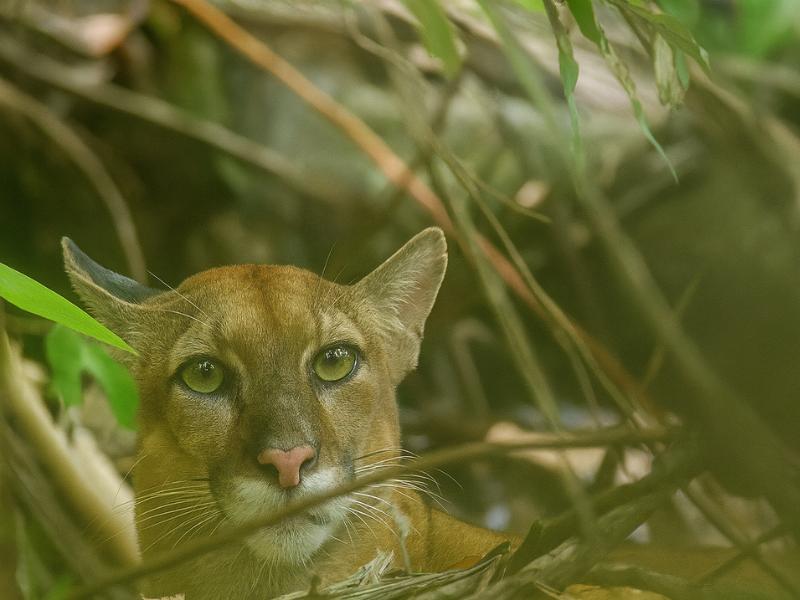
For overall wildlife density and sighting variety, January through March is the most reliable window. For big cat probability, July through October edges ahead. For marine wildlife – humpback whales and sea turtles – August through October is unmatched anywhere in Central America. Baby mammals and fledgling scarlet macaws peak in April and May. The “best” month depends entirely on your target species.
This is where timing Corcovado gets genuinely interesting, because the wildlife calendar here doesn’t follow a single peak. Different animals have different seasons, and they often don’t overlap.
| Baird’s Tapir | January – April | Concentrate at water sources during dry season. Beach sightings at dawn near Sirena. |
| Scarlet Macaw (flocks) | Year-round | Largest Central American population. Most visible Dec – Apr when forest is thinner. |
| Scarlet Macaw (fledglings) | April – May | Nesting season produces young birds learning to fly. |
| Four Monkey Species | Year-round | Baby monkeys visible April – May. All species active year-round. |
| White-lipped Peccary Herds | Dry season | Herds of 50-200 animals possible Jan – Mar on interior trails. |
| Jaguar | July – October | Extremely rare sighting regardless of season. Slightly higher probability in green season near Sirena. |
| Puma / Ocelot | Year-round, dusk/dawn | Late afternoon is the key window. Overnight stays multiply chances dramatically. |
| Southern Humpback Whales | July – November | Peak August – October. Golfo Dulce is one of the world’s best calving habitats. |
| Northern Humpback Whales | December – February | Smaller population. Visible offshore from Drake Bay. |
| Sea Turtle Nesting | August – January | Peak October. Four species including Olive Ridley and Leatherback. |
| Sea Turtle Hatchlings | October – January | Night beach tours available through separate operators near Carate. |
| Migratory Birds (N. America) | October – March | Warblers, flycatchers, tanagers arrive from North America. |
| Bioluminescence (Golfo Dulce) | May – November | Dinoflagellate blooms produce glowing water. Kayak tours available. |
Wildlife calendar compiled from SINAC records, Osa Peninsula nature calendar data, and 10+ years of guide field observations from our team.
One note on big cats: if seeing a jaguar is your specific goal, there is no month that makes it likely. Jaguars are present in Corcovado year-round in the largest population in Costa Rica, but they are elusive, and most visitors never see one. What changes by season is the probability at the margin. An overnight stay in the green season with an experienced guide who knows the active corridors near Sirena gives you the best realistic chance. Day trips in any season give you almost none.
Curious about the legendary wildlife? Here’s everything about the animals of Corcovado National Park – what’s easy to find, what requires patience and luck, and why this remote park delivers wildlife experiences unlike anywhere else in Costa Rica.
Corcovado Month by Month: What to Expect January Through December
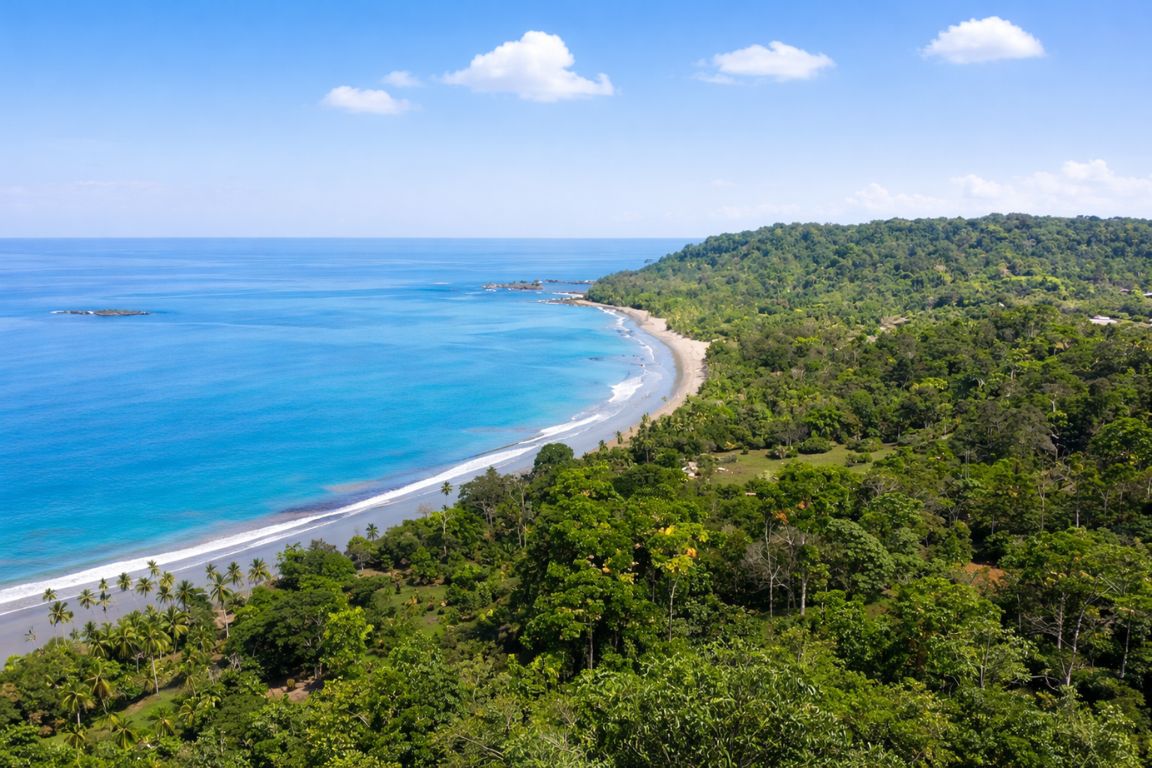 Each month at Corcovado has a distinct character shaped by rainfall, temperature, wildlife events, and permit demand. January through April are dry, hot, and busy. May and November are underrated shoulder months with good conditions and few crowds. June through September are wet but rewarding for the right traveler. October is the one hard stop – Sirena closes, and it’s the rainiest, most logistically difficult month of the year.
| January | Dry | Low | Very High | Hard | Peak |
| February | Dry (driest) | ~78 mm | High | Moderate-Hard | Peak |
| March | Dry (hottest) | Low | High | Moderate-Hard | Peak |
| April | Transition | Moderate | Moderate-High | Moderate | High |
| May | Green (shoulder) | Moderate | Low | Easy | 20-30% lower |
| June | Green | Moderate-High | Low | Easy | 30-40% lower |
| July | Green (“little summer”) | Moderate | Low | Easy | 30-40% lower |
| August | Green (wet) | High | Low | Easy | 30-40% lower |
| September | Green (wettest) | Very High | Lowest | Easy | 40% lower |
| October | CLOSED (Sirena) | ~739 mm | N/A | N/A | Many lodges closed |
| November | Transition | Moderate | Low | Easy | 20-30% lower |
| December | Dry (early peak) | Low-Moderate | High | Hard | Peak (+ surcharges) |
Rainfall averages based on weather-and-climate.com Corcovado National Park data and SINAC operational records. Prices verified March 2026.
Here’s the honest breakdown on each month, from someone who has run tours through all of them:
January is peak season, fully. The park is at its most booked, the lodges around Drake Bay and Puerto Jiménez are full, and permits for Sirena overnight stays disappear weeks or months in advance. Trails are excellent. Wildlife is excellent. Temperatures are high but manageable if you hike early. The experience is worth it – just don’t try to book this month spontaneously.
Not sure which base makes sense? Check out our breakdown of Drake Bay vs Puerto Jiménez – they’re both Corcovado gateways but offer completely different experiences and costs.
February is the driest month of the year. Rainfall drops to around 78 mm, which for a tropical rainforest is genuinely minimal. It is also one of the hottest months, with daytime temperatures regularly hitting 30°C with brutal humidity. Ticks are most active from January through April. Tapirs are reliably spotted near water sources. Permits are still in high demand, but slightly easier than January.
March is the hottest month. Midday on the Sirena trails in March is not for the faint of heart. Start early, carry more water than you think you need, and plan to be back at the station before noon. The upside: dry season conditions are at their peak and the peccary herds are moving. The forest thins slightly, making wildlife spotting particularly good.
April is a transition month that offers a sweet spot many experienced visitors deliberately target. The peak holiday crowds from Semana Santa clear out by mid-April. Rain starts increasing but hasn’t reached the intensity of June or July. Baby monkeys are visible on the trails and young scarlet macaws are learning to fly. Temperatures ease slightly from the March peak. Book early – this is the last month before the green season discount kicks in.
May is genuinely underrated. It is the first month of the green season, which means lodge rates drop 20–30%, permits are easy to obtain, and the forest begins its transformation into peak lushness. Rain comes in predictable afternoon bursts. Mornings are clear. Bioluminescence blooms begin in the Golfo Dulce waters offshore. Baby mammals from the April birthing season are still visible. If your dates are flexible and you want a high-quality experience without the peak-season premium, May is worth serious consideration.
June brings more consistent rain but still follows the classic tropical pattern of sunny mornings and afternoon showers. The Osa Peninsula doesn’t get the kind of constant grey drizzle you’d associate with, say, a European autumn. It rains hard for a few hours and stops. Trails get muddier. River crossings need more attention. Crowds are low and prices are at their most favorable.
July is interesting. There is a brief period known locally as the “little summer” – a natural break in the rains around mid-July that provides several days of drier, clearer conditions. Whale season officially begins on July 15th with southern humpbacks starting to appear in the Golfo Dulce. This is when Corcovado starts to offer something the dry season simply can’t: marine wildlife alongside the jungle experience. Trails are muddier than June but manageable with the right footwear.
August is peak whale season and one of the most dramatic months to visit the Osa Peninsula as a whole. Southern hemisphere humpbacks fill the Golfo Dulce. Sea turtles begin nesting on the Pacific beaches near Carate. The forest is at its absolute greenest. Rain is heavier than July, typically in late afternoons. Trail conditions require rubber boots and river crossing awareness. Permits are easy to obtain. If marine wildlife is your focus, this is the month.
September is the wettest month we see from the trail. Rain is frequent and heavy. The rivers rise. Some trail sections become temporarily impassable. This is also when international visitor numbers hit their lowest – meaning the park, on the days it’s open and accessible, feels genuinely remote in a way even January doesn’t match. Humpback whale sightings are peaking. Sea turtle nesting is building toward October’s peak. Only experienced, well-prepared travelers who embrace the conditions should target September.
October is the one month we actively advise against. Sirena Station and San Pedrillo close entirely for the month for maintenance, trail recovery, and preparation for the new high season. Annual rainfall for October averages around 739 mm – nearly the entire monthly output of a typical temperate European city in one month. Many eco-lodges in the area close too. If your trip falls in October, plan for another destination.
November is, in our opinion, the most underappreciated month on the Corcovado calendar. The park has just been maintained and refreshed after the October closure. Rain is tapering. The forest is at maximum lushness from the wet season. Sea turtle hatchlings are emerging from October nests. Northern hemisphere humpback whales are beginning to arrive. Crowds are low, prices are still 20-30% below peak, and permits are easy. November is the insider’s choice for Corcovado.
December splits into two phases. Early December carries residual green season conditions – moderate rain, lower crowds, good prices. By mid-December, the dry season is underway and the crowds follow quickly. Christmas week brings the year’s highest prices and surcharges, and Sirena overnight spots for Christmas and New Year’s fill months in advance. Book December carefully based on which half of the month you’re targeting.
When Does Corcovado Close and What Months Should You Avoid?
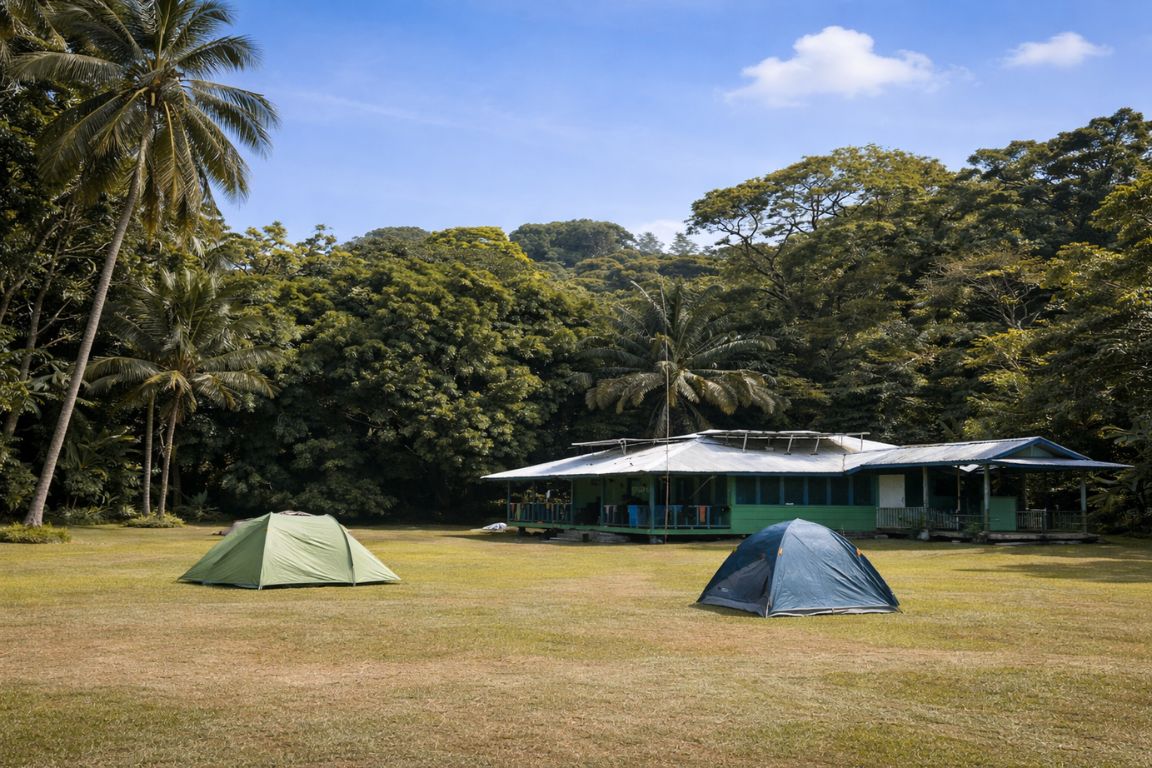 Sirena Station closes for the entire month of October each year for maintenance and trail recovery following the wet season’s peak. San Pedrillo Station also typically closes during this period. Other sectors may remain open, but October is the wettest month of the year – averaging 739 mm of rainfall – and most lodges in the area close too. Plan around October entirely if you want access to the park’s main wildlife zones.
The October closure is not an informal suggestion. SINAC shuts Sirena Station down annually, and the closure is enforced. It typically runs the full month, with reopening announced around November 1st. The reason is straightforward: October rain levels in Corcovado are extreme even by rainforest standards. Trails flood. Rivers become unsafe for crossing. The park uses the closure window for trail maintenance, infrastructure repair, and cleanup after the most intensive rainfall of the year.
Beyond October, the months of August and September are genuinely challenging for the trails. They’re not closed, and experienced travelers who embrace the conditions can have extraordinary experiences. But if you have limited hiking experience, poor tolerance for heavy rain, or are traveling with children or older relatives, August and September present real logistical difficulty that November or May – which offer green season benefits without the same intensity – simply don’t.
One thing worth knowing: even during open months, individual trails can close temporarily after heavy rain events. Your guide monitors these conditions in real time. This is another reason the guide requirement serves travelers as much as it protects the park – nobody is sending you into a flooded river crossing on a closed trail if you have a registered operator managing your visit.
How Do Crowds and Permit Availability Change Throughout the Year?
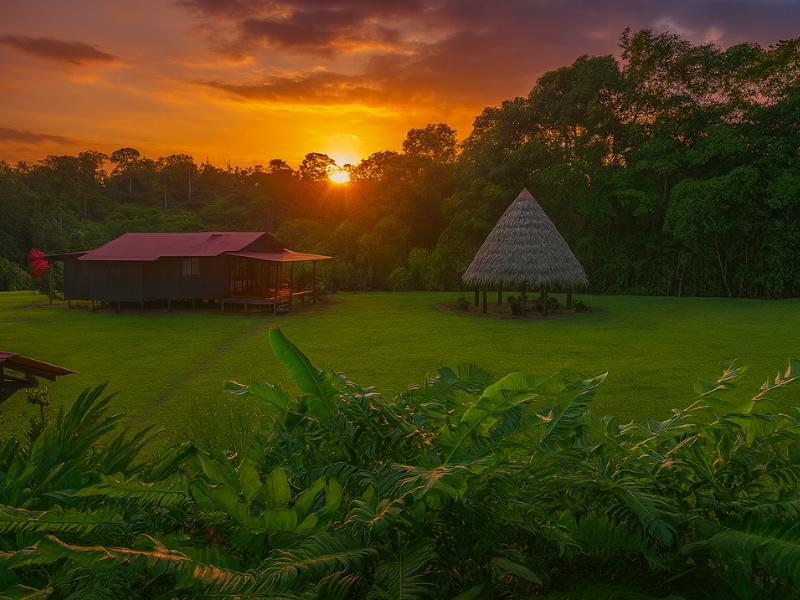
Sirena Station’s overnight capacity is capped at 80 people per night, and day visitor limits apply at every sector. During December through April, those slots fill weeks to months in advance. From May through September, availability opens up significantly. The hardest single windows to book are Christmas week, Semana Santa (Easter), and the January-February peak. Book 3-6 months ahead for dry season. Green season visitors can often book 2-4 weeks out.
The permit and capacity system at Corcovado is more unforgiving than most travelers expect. It is not like booking a popular restaurant where a last-minute cancellation might open a table. SINAC has a strict no-refund, no-date-change policy once payment is confirmed. Tour operators can’t hold spots indefinitely either. When Sirena fills for a given date in January, it’s full. That’s it.
| Christmas / New Year’s | 5-6 months | Very High – fills fastest of any window |
| Semana Santa (Easter week) | 4-5 months | Very High |
| January – March | 3-4 months | High |
| April / December (early) | 2-3 months | Moderate |
| May / November | 3-4 weeks | Low |
| June – September | 1-2 weeks | Very Low |
| October | N/A | Closed (Sirena/San Pedrillo) |
Based on operational booking patterns from Corcovado National Park Tours since 2015. Individual dates may vary.
Something we see regularly: travelers who planned their entire Costa Rica itinerary around a Corcovado overnight, booked flights months ahead, but left the park booking “for later.” January arrives, they email their guide, the guide goes to SINAC, and the dates are gone. Not tentatively full. Gone. The park doesn’t waitlist. It just closes the date.
The simple rule: book the park before you book anything else. Flights to San José are flexible. Corcovado overnight permits are not.
What Should You Pack Based on When You’re Visiting?
The packing list changes meaningfully between seasons. Dry season visitors can get away with trail runners and a light rain layer. Green season visits require rubber boots or fully waterproof hiking shoes, a real rain jacket, multiple dry bags, and extra socks for every day. Year-round essentials include insect repellent effective against purrujas (not just DEET-based), a reusable water bottle, and quick-dry synthetic clothing rather than cotton.
Most packing guides for Corcovado don’t distinguish between seasons, which sets travelers up for avoidable problems. Here’s what actually changes:
Dry season (December – April) packing adjustments: Trail runners with decent grip are acceptable during the drier core months of January through March. A packable rain layer is worth bringing even in the dry season – afternoon showers are still possible – but it won’t be your most-used item. Tick prevention matters more in the dry season: long sleeves, pants tucked into socks, and a careful post-hike check. Sunscreen and a hat are more critical than in the green season. February and March heat is intense, so lighter clothing and carrying more water (minimum 3 litres for a full day) matters.
Green season (May – November) packing requirements: This is when footwear becomes non-negotiable. Rubber boots cover most eventualities; if you prefer hiking shoes, they must be fully waterproof with proper ankle support. Bring at least two extra pairs of socks in sealed dry bags – everything will be wet within an hour and wet feet over a multi-day trip cause serious blisters. A proper rain jacket, not a plastic poncho, handles the intense short-burst rain better. Two large dry bags or a waterproof pack cover protects your camera and electronics. Expect the weight on your back to feel heavier in the humidity.
Year-round essentials that don’t change: Insect repellent that works against purrujas – the tiny no-see-um insects near the coastal sections are largely immune to standard DEET. Skin So Soft-style formulas handle them better. Reusable water bottle (no single-use plastic is permitted in the park). Binoculars. A photocopy of your passport in a waterproof bag. Headlamp for overnight stays. Quick-dry synthetic clothing – never cotton, in any season.
When Should You Book Your Corcovado Tour to Guarantee Your Spot?
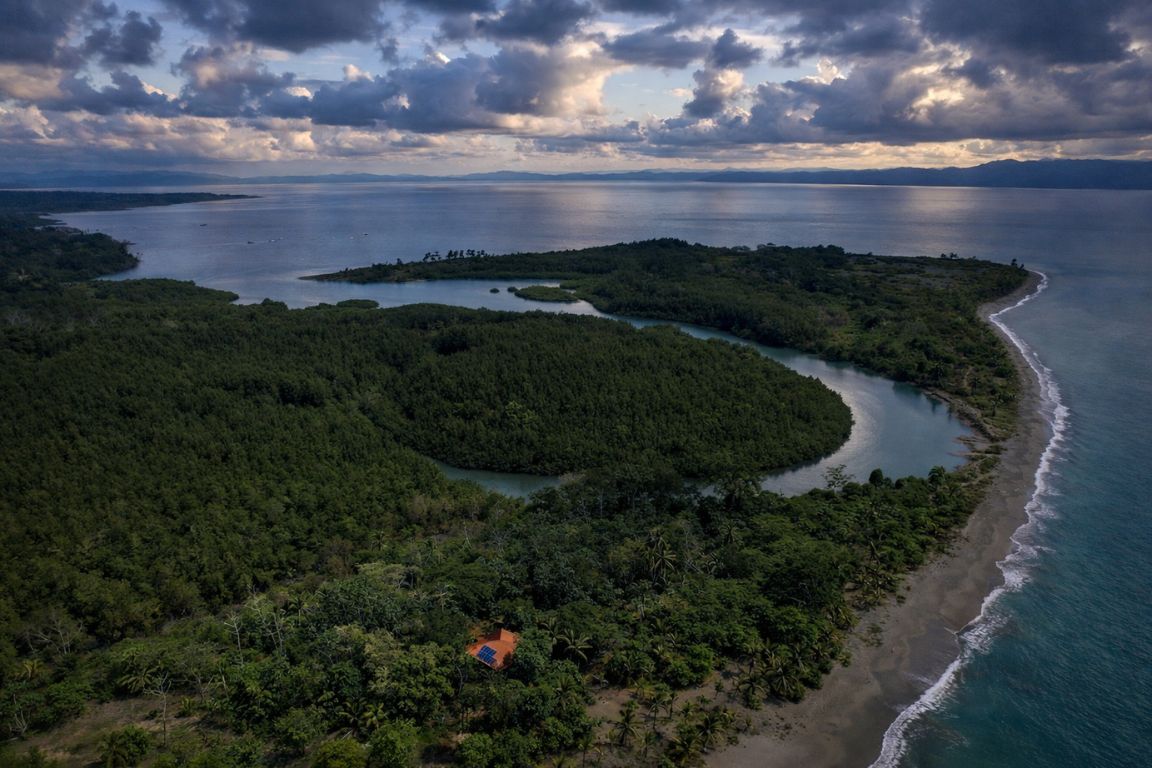 Book 3 to 6 months ahead for any visit between December and April, with 5 to 6 months required for Christmas and Easter specifically. Green season visits (May to September) can typically be arranged 2 to 4 weeks ahead. November, while a green season month, is increasingly popular and benefits from 4 to 6 weeks of lead time. The absolute worst thing you can do is arrive in Costa Rica and try to arrange Corcovado on the ground in high season.
This is the section that saves trips. We’ve spoken with travelers in Puerto Jiménez during peak season who built entire Costa Rica itineraries around Corcovado, flew internationally, arranged everything else, and couldn’t get into the park because they left the booking too late. The permit system doesn’t have a waiting list. The guides can’t create spaces that don’t exist. It simply doesn’t happen.
SINAC accepts reservations up to 6 months in advance. That window exists because demand during December through March fills it. The people booking 6 months ahead for Christmas week are not being overcautious – they’re booking at the right time.
A few other booking realities worth knowing:
- Drake Bay eco-lodges, especially the better ones, require 6-month advance bookings for high season. The lodges are small. Rooms are few. They fill completely.
- Your guide permit must be submitted to SINAC in advance of your visit date. This is another reason booking through an operator matters – they handle the permit filing during the correct SINAC office hours.
- Tour operators occasionally have last-minute spots during green season when a group cancels. This is not a reliable strategy in high season, but it is a realistic one for May through September visits.
If you’re feeling overwhelmed by the planning, here’s how to visit Corcovado National Park tours so you don’t waste time figuring out permits, guides, and multi-day logistics for Costa Rica’s wildest park.
What Our Travelers Say About Timing: Data from 7,300+ Corcovado Visits
After guiding more than 7,300 travelers through Corcovado since 2015, we track what our clients report about timing – what they wish they’d known, what surprised them, and what they’d change on a return visit.
| Would visit same season again | ~81% | ~88% |
| Said timing was the best part of their planning | ~34% | ~61% |
| Wished they’d booked earlier | ~47% | ~9% |
| Most common timing regret | Booked too late, couldn’t get Sirena overnight | Came in October (before closure policy was known) |
| Biggest surprise about their season | Heat and humidity in Feb–Mar more intense than expected | Rain was shorter and less disruptive than feared |
| Would recommend their travel month to others | ~79% | ~85% |
Data from post-trip surveys across our 2023-2025 client cohort. Green season satisfaction rates include November visitors separately tracked.
The pattern is consistent year over year: green season clients are slightly more satisfied with their timing than dry season clients, primarily because the conditions surprise them positively rather than negatively. Dry season clients love the experience but often wish they’d known to book earlier and prepared better for the heat.
Frequently Asked Questions
Is Corcovado open year-round?
Most sectors are open year-round. Sirena Station – the main destination for most visitors – closes for the entire month of October for maintenance. San Pedrillo also typically closes during October. Check with SINAC before planning any October visit, as reopening dates are announced around November 1st.
Is the rainy season really worth considering for Corcovado?
For the right traveler, yes. The rain in Corcovado typically falls in short, intense bursts rather than all-day grey drizzle. Mornings are often clear. Crowds are low, prices drop 20-40%, and the forest is at its most dramatic. If you go prepared with proper waterproof gear and rubber boots, the green season can actually outperform the dry season for certain wildlife experiences.
What month should I avoid other than October?
September is the wettest open month and can be logistically difficult – high river levels, possible trail closures, and heavier rainfall than any month except October. It’s not impossible to visit in September, but it requires experience, preparation, and flexibility. August is the next most challenging, though it comes with the reward of peak humpback whale season offshore.
When are scarlet macaws easiest to see in Corcovado?
Scarlet macaws are present year-round in Corcovado – the park hosts the largest population in Central America. They’re most visible during the dry season when the forest thins slightly. April and May offer the added bonus of fledgling birds as nesting season ends. Early morning and late afternoon are the best windows for macaw activity regardless of month.
Does it rain every day in the green season?
Not every day, and rarely all day. The Osa Peninsula’s green season is characterized by intense afternoon showers that typically last 1-3 hours. Mornings are frequently clear. Some days, particularly in May and early June, can pass with minimal rain. September is the exception – rain is more persistent and less predictable during that month.
When is the best time to visit Corcovado on a budget?
May through early November. Lodge rates in Drake Bay and Puerto Jiménez drop 20-40% compared to peak season. Permit availability is open and easy to arrange. Tours are less booked out and operators have more scheduling flexibility. May and November are the sweet spots – green season conditions without the most challenging weather of June through September.
Written by Mateo Alejandro Rivera
Costa Rican tour guide since 2015 · Founder, Corcovado National Park Tours
Mateo has guided over 7,300 travelers through Corcovado National Park and the Osa Peninsula since founding the agency.
Your Corcovado Next Step
Choose Your Date Before Planning The Rest
One Night At Sirena From Drake Bay. Boat transfers, guided morning and afternoon walks, Sirena lodging, park fees and four meals. Check your travel date before arranging your remaining accommodation and transport.
2 days / 1 night · Meet at Rancho Corcovado Lodge at 5:50 am; briefing the day before recommended. Shared station accommodation; moderate fitness. Tips extra. Non-refundable.
Choose a date to see scheduled departures. Availability and final price are confirmed on Viator.
Initial editorial recommendation. Change the trip choices below to find a route that fits; the operator confirms suitability and availability.
Compare Routes And Adjust Your Trip
Sirena Day Trip From Drake Bay · 7–8 hours. Boat to Sirena, guided trails, park fees and lunch. Meet at Rancho Corcovado Lodge; returns to Drake Bay. Lunch location can vary; confirm with Pacheco. Not wheelchair accessible. Non-refundable.
Sirena Day Trip From Puerto Jiménez · 8 hours. Boat transport, guided Sirena trails, park tickets and lunch. Puerto Jiménez pickup must be confirmed. Wet landing; not recommended for pregnancy, spinal injuries or poor cardiovascular health. Age bands 51–69 are missing from the listing; ask the operator.
La Leona Coastal Day Hike · 10 hours. Guided coastal hiking from Carate through the La Leona sector, park admission and optical equipment. Starts and ends in Puerto Jiménez; confirm pickup. At least 10 km walking. Meals and drinking water excluded; confirm transport charges. Moderate fitness.
Compare Your Own Total Quotes
Enter two complete quotes in the same currency, including transport, meals and accommodation for the same party. A difference is not a saving unless the inclusions are comparable.
Add both totals and your party size to compare.