Drake Bay vs Puerto Jiménez
Drake Bay or Puerto Jiménez? These two Corcovado gateways offer completely different experiences - compare access, costs, and logistics to choose the right base (or plan the perfect loop).
Last updated: May 4, 2026
These are the Osa Peninsula’s two gateways to Corcovado, and they are genuinely different places. Drake Bay is more remote, harder to reach, and gives you the shortest boat ride to Sirena Station – roughly 60 minutes versus 90 from Puerto Jiménez. Puerto Jiménez is a real town with ATMs, restaurants, pharmacies, and road access from San José without needing a boat. For Sirena-focused visits, Drake Bay wins on convenience. For budget travelers, families, or anyone who wants flexibility and infrastructure, Puerto Jiménez is the better base. Doing both – a loop across the peninsula – is the best option if you have 5 or more nights on the Osa.
What does a Drake Bay park day look like? Explore the Sirena boat-and-hike itinerary, then compare departures from both gateways below. Explore Sirena Day Trip From Drake Bay
Drake Bay vs Puerto Jiménez: Quick Comparison
| Location on Peninsula | Northwest coast, Pacific side | East coast, Golfo Dulce side |
| Town Size | Small village (Agujitas). Very few services. | Largest town on Osa. Full services. |
| ATMs / Banking | None. Cash only for most transactions. | Yes. Multiple ATMs and banks. |
| Restaurants | A handful in Agujitas. Most lodge guests eat on-site. | Good range of sodas, restaurants, supermarkets. |
| Road Access from San José | Complicated. Requires boat from Sierpe OR unpaved 4WD road, impassable in rainy season. | Straightforward. 7-8 hours on paved roads. No 4WD needed. |
| Domestic Flight Time (from SJO) | ~30 min (Sansa / Green Airways) | ~50 min (Sansa / Green Airways) |
| One-Way Domestic Flight (approx.) | From ~$159 USD – Prices verified March 2026 | From ~$139-$160 USD – Prices verified March 2026 |
| Boat to Sirena Station | ~60 min | ~90 min |
| Foot Access to Corcovado | No direct hiking entrances from Drake Bay. Boat only. | La Leona (via Carate) and Los Patos (via La Palma) both reachable by taxi/colectivo. |
| Access to Caño Island | ~60-75 min by boat. Easy day trip. | Too far. Not practical as a day trip. |
| Accommodation Range | Eco-lodges to luxury jungle resorts. Higher average price point. | Budget to mid-range, with some luxury lodges outside town (Cabo Matapalo). |
| Best For | Sirena day trips and overnights, Caño Island snorkeling, full immersion, couples/honeymoon travel. | Budget travel, families, independent travelers, Golfo Dulce activities, multi-day hiking routes. |
The table above is the honest summary. Everything below unpacks the nuances that the table can’t.
What Is the Actual Difference Between Drake Bay and Puerto Jiménez as Corcovado Base Camps?
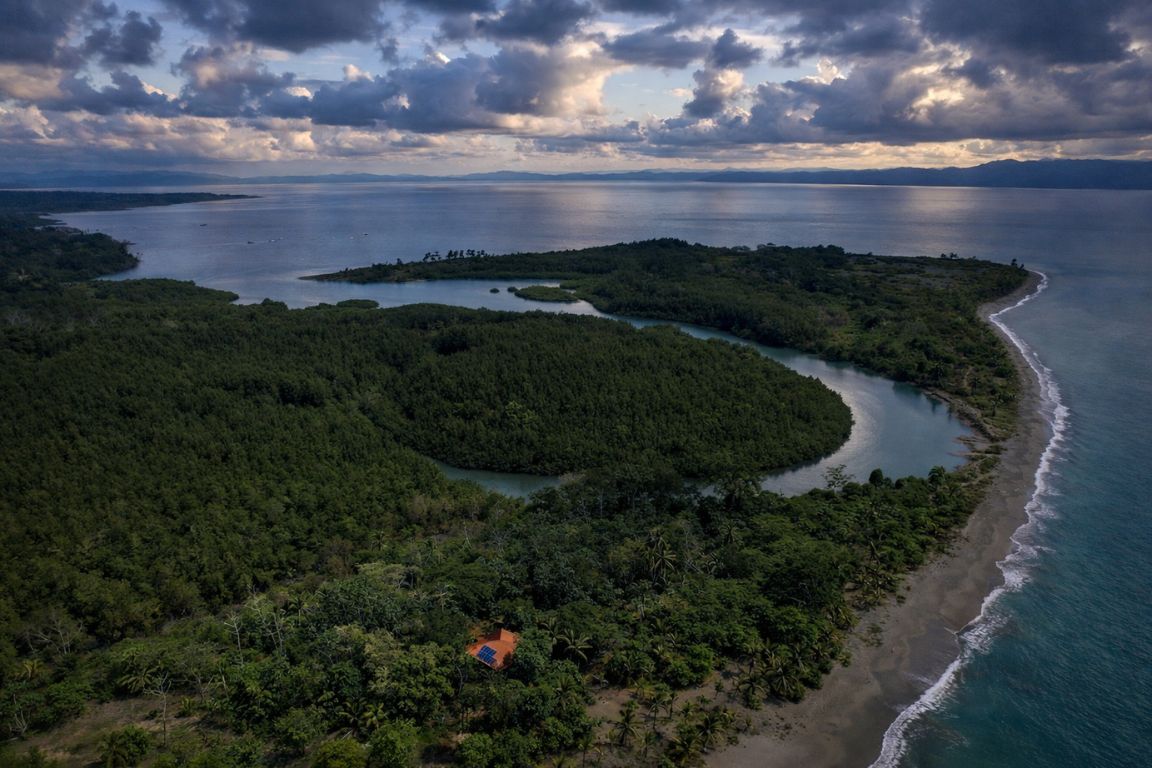 Drake Bay is a small Pacific-coast village where the forest meets the sea and almost everyone is there for one reason: Corcovado. Puerto Jiménez is a real Tico town on the Golfo Dulce side of the peninsula, with infrastructure, local life, and multiple reasons to visit. The core difference isn’t just about which one is closer to the park – it’s about two fundamentally different travel experiences that happen to share the same national park.
Drake Bay’s main settlement, Agujitas, has a handful of restaurants, a few stores, some hostels and small hotels, and a beach where boats land and depart. That’s roughly the extent of it. No ATMs anywhere. No bank. Many lodges here include meals because going out for dinner isn’t always a realistic option, and the handful of restaurants in town set prices accordingly given the captive audience. The surrounding primary forest is extraordinary, and squirrel monkeys have been known to raid mango trees in lodge gardens. Wildlife starts before you even reach the park. That remoteness is a feature for many travelers, not a flaw.
If you’re going for the wildlife, here’s our breakdown of the animals of Corcovado National Park so you can set realistic expectations about what you’ll see in one of Earth’s most biodiverse places.
Puerto Jiménez is different in character. It’s a working town with a gold-mining history, real supermarkets, pharmacies, multiple restaurants serving proper meals at soda prices, and a scattering of tour operators who’ve been handling Corcovado logistics for years. It’s not glamorous. It has stray dogs and dusty streets and a sleepy afternoon energy that belongs to tropical towns the world over. For self-sufficient travelers who want to control their own itinerary, eat cheaply, and use the town as a base rather than a bubble, Puerto Jiménez works much better.
We’ve brought travelers through both gateways over 7,300 guided visits. The ones who loved Drake Bay most were those who leaned into the isolation and let the lodge ecosystem work for them. The ones who chose Puerto Jiménez appreciated moving through a place that felt like Costa Rica rather than an eco-resort. Both are correct choices for different trips.
Which Gateway Is Easier to Get To from San José?
 Puerto Jiménez is significantly easier to reach from San José. It sits at the end of a fully paved road, served by domestic flights, direct buses (8 to 10 hours, under $15), and a passenger ferry connection via Golfito. Drake Bay requires either a domestic flight or a boat from Sierpe – there is no easy public bus route, and the overland road to Drake Bay turns to unpaved gravel for its final 30 km and is frequently impassable during the rainy season without 4WD. For most travelers, the path to Drake Bay involves more planning, more logistics, and more money.
| Domestic Flight from SJO | ~30 min. From ~$159 one way (Sansa/Green Airways). Airport is outside town – arrange lodge transfer in advance. No street lights after dark. | ~50 min. From ~$139-$160 one way. Airport is in town. Very easy. |
| Public Bus from San José | No direct service. Requires bus to Palmar Norte or Sierpe, then a boat. One bus per day from La Palma to Drake Bay. Does not run Sundays. | Direct bus from San José (Transportes Blanco). 8-10 hours. Under $15 USD. Departs 8 am and noon daily. |
| Self-Drive | 7-8 hours from SJO to Rincón, then 30 km of unpaved gravel to Drake Bay. 4WD required in rainy season, high clearance strongly recommended in dry season. | 7-8 hours from SJO on Route 27 then Route 34 then Route 245. All paved. Standard car is fine. No 4WD needed. |
| Via Boat from Sierpe | Reach Sierpe by bus or car from Palmar Norte, then 1.5-2 hour boat through mangroves into the bay. Dramatic and beautiful. Bags must be waterproofed. | N/A |
| Ferry via Golfito | N/A | Ferry from Golfito departs 11 am daily, returns 6 am. 30 minutes. ~$11 USD. |
One practical note that online guides consistently understate: the Sierpe boat to Drake Bay is beautiful, but the bags in front of you will get wet. Electronics, cameras, and anything moisture-sensitive need to go into dry bags or ziplock bags before you board. This is not optional advice. The boats are open, low to the water, and the sea is not always calm.
For travelers arriving from the airport on a tight schedule, Puerto Jiménez is the lower-risk choice. A delayed domestic flight or a missed Sierpe boat can cascade into a full day of lost time in Drake Bay in a way that it simply doesn’t in Puerto Jiménez, where other options exist.
Wondering how to pull it all together? Our guide on how to visit Corcovado National Park tours walks you through everything from Puerto Jiménez to the Sirena ranger station without any guesswork.
Which Base Gives You Better Access to Sirena Station?
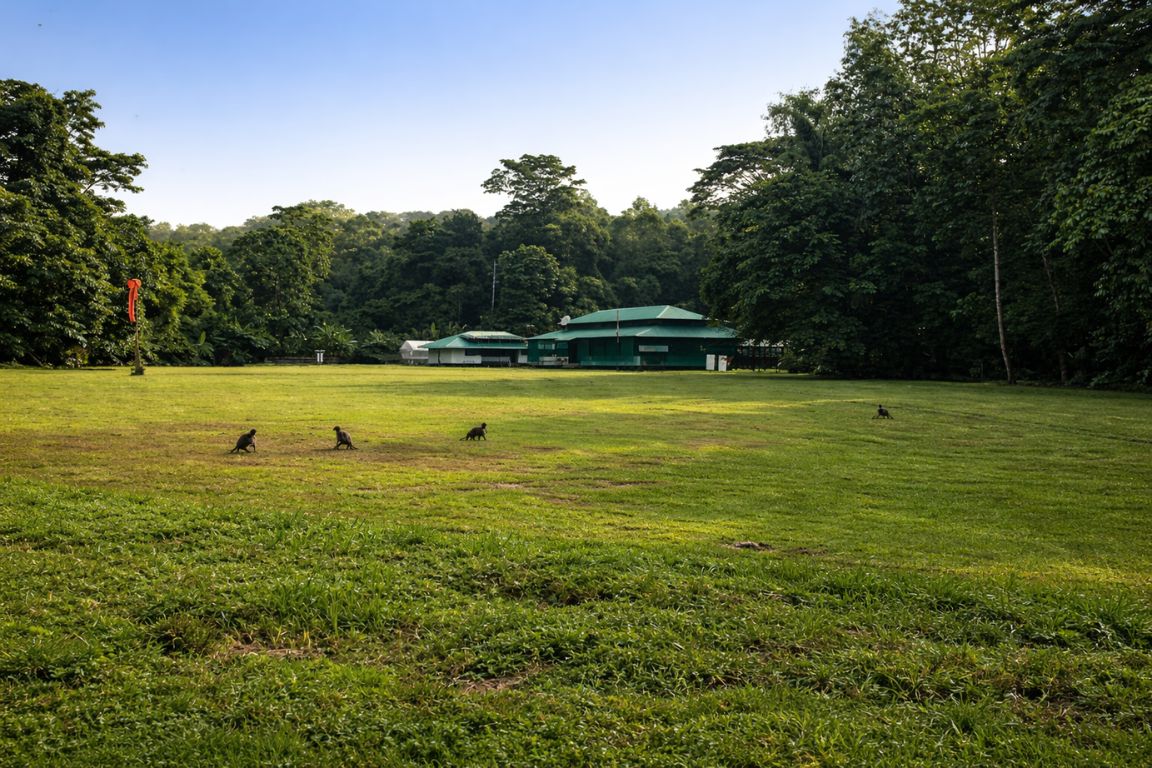 Drake Bay gives you a shorter boat ride to Sirena – roughly 60 minutes versus 90 minutes from Puerto Jiménez, and most lodges there organize Corcovado tours directly, often with an early departure from the beach that puts you at Sirena before day-trip groups from Puerto Jiménez arrive. For visitors whose primary goal is Sirena, this matters. But Puerto Jiménez is also a fully viable base, and it’s the only gateway that offers realistic access to Corcovado on foot via the La Leona or Los Patos trail routes.
The Drake Bay advantage is real but sometimes overstated. The boat from Puerto Jiménez departs from the public pier at around 5:30 am, puts you at Sirena by roughly 7:00 am, and gets you back to town by early afternoon. That’s a full day in the park with your guide. The Drake Bay departure typically runs around 6:15 am from the beach, arrives at Sirena around 7:15 am, and returns by mid-afternoon. The difference is 30 minutes in travel time each way. Not trivial, but not transformative for most visitors either.
Where Drake Bay genuinely wins: the wildlife outside the park. The forest surrounding Agujitas is old-growth primary rainforest that functions as an unofficial buffer zone around Corcovado. Squirrel monkeys are common in lodge grounds. Birds that are hard to spot inside the park sometimes appear at breakfast. The experience of staying in Drake Bay is itself a wildlife encounter in a way that Puerto Jiménez town simply isn’t.
Where Puerto Jiménez wins: the foot routes. If you want to hike into Sirena rather than boat in, you stage from this side. A colectivo taxi to Carate costs around $8 per person, dropping you at La Leona Station for the 16.5 km coastal hike to Sirena. The Los Patos trailhead near La Palma is 30 minutes north of Puerto Jiménez by road. Neither foot route is accessible from Drake Bay.
Planning the trek to Sirena? I’ve put together a complete Sirena Ranger Station guide covering how to get there, what the basic accommodations are like, and why this remote outpost delivers Corcovado’s best wildlife experiences.
What Is the Vibe and Infrastructure Like in Each Town?
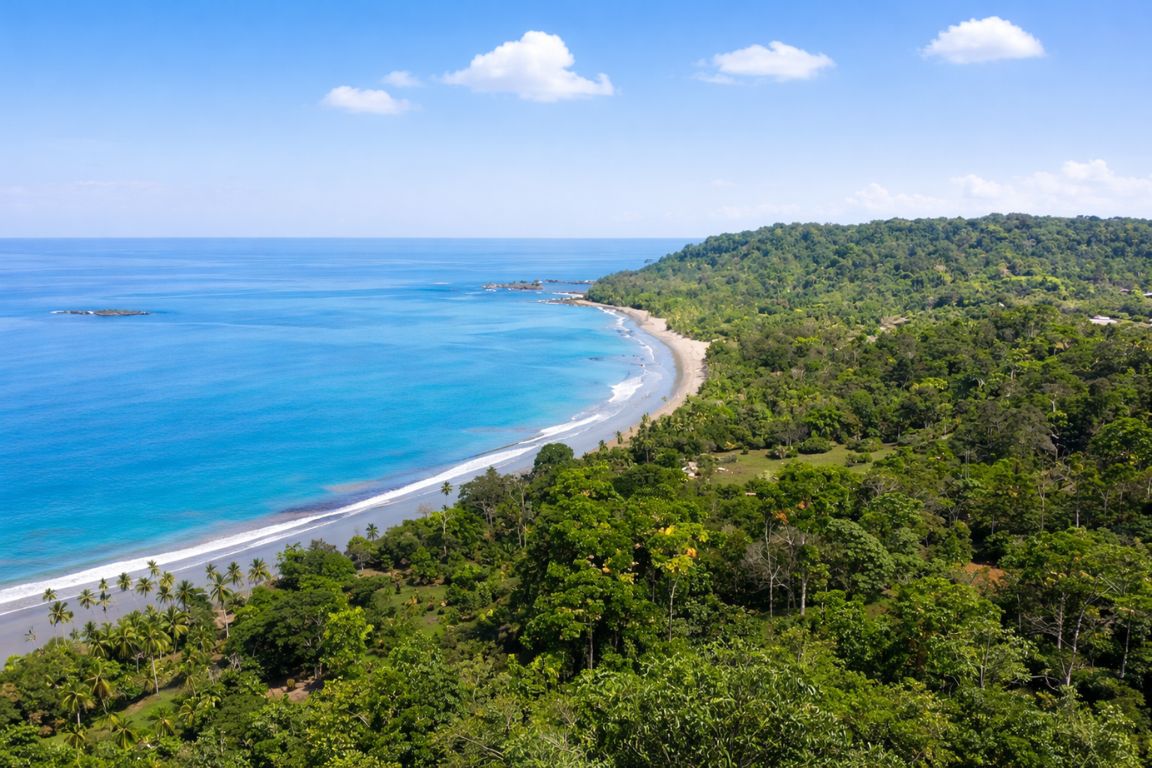 Drake Bay is a village. Puerto Jiménez is a town. This is not a subtle distinction. Drake Bay has no ATMs, limited restaurants mostly tied to lodge packages, no bank, and roads that don’t all have names. Puerto Jiménez has two supermarkets, multiple pharmacies, a doctor’s office, consistent ATMs, a range of independent restaurants, and enough infrastructure to sort out a problem if one arises. For travelers who want to move freely, eat at local sodas, or handle anything practical, Puerto Jiménez is a different category of base camp.
Drake Bay has grown in recent years. New lodges and a few restaurants have opened in Agujitas. But the honest picture remains: cash is king here, the nearest ATM is a long drive or boat ride away, and lodges price meals to reflect the fact that options are limited. Budget travelers who research Drake Bay carefully still end up surprised by how quickly costs accumulate when every lunch and dinner is priced for a captive audience.
That said, Drake Bay’s accommodation range is genuinely excellent at the upper end. Luxury jungle lodges, some with ocean-view villas, air conditioning, full meal packages, and guided excursions included, exist here in a way they don’t in Puerto Jiménez town. If the trip budget has room, the experience of staying in a Drake Bay lodge is immersive in a way that a guesthouse in Puerto Jiménez town simply isn’t.
Puerto Jiménez has its own appeal that’s easy to miss if you only think of it as logistics. It’s a real Costa Rican town where you can sit at a soda for $6 and eat gallo pinto next to locals who work in the park system. The waterfront on the Golfo Dulce is beautiful and calm. There’s a looseness and authenticity to the place that some travelers find more satisfying than the managed eco-immersion experience that Drake Bay lodges provide.
One specific practical point worth stating plainly: Drake Bay has no ATMs at all. If you arrive with insufficient cash, you’re solving a real problem in a town with no bank. Stock up before you leave Sierpe or before you board your flight.
Wondering about accommodation strategy? Check out our guide on where to stay near Corcovado National Park – Puerto Jiménez versus Drake Bay changes your entire access and what you can do.
How Do Costs Compare Between Drake Bay and Puerto Jiménez?
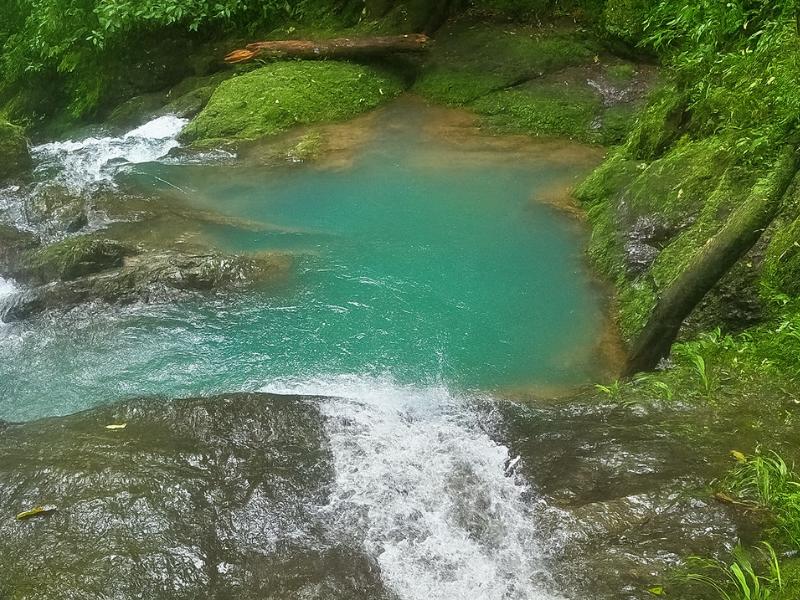
Drake Bay is consistently more expensive than Puerto Jiménez across accommodation, food, and excursions. The remoteness inflates everything – food must be brought in, lodges operate off-grid, and limited competition keeps prices high. Budget travelers can visit the Osa on a restricted budget from Puerto Jiménez, using local buses, sodas, and the colectivo system. From Drake Bay, budget options exist but the baseline costs are higher and less avoidable.
| Budget accommodation | $30-$60/night (hostel dorms or basic cabinas) | $20-$40/night (more options, more competition) |
| Mid-range lodge | $100-$200+/night (often includes meals) | $80-$150/night at Cabo Matapalo lodges |
| Lunch at local restaurant | $12-$20 USD. Limited options. | $5-$10 USD at sodas. Casados with rice, beans, protein. |
| Dinner | $15-$30+ at lodge or restaurant | $10-$20 at independent restaurants |
| Sirena day trip | From ~$110-$130/person (shorter boat ride factored in) | From ~$120-$160/person |
| Colectivo / local taxi | Limited. Private transfers ~$50-$80+ | Colectivo to Carate ~$8/person. Taxis frequent. |
| Caño Island snorkeling tour | ~$80-$120/person. Easy day trip. | Not practical. Too far. |
| Getting from San José | Flight ~$159 one way OR bus + boat ($15-$30 total but more complex) | Flight ~$139 one way OR direct bus ~$13 |
All prices approximate. Verified March 2026.
The cost difference compounds over a multi-day stay. A couple spending three nights in Drake Bay at a mid-range lodge, eating some meals in town and some at the lodge, will consistently spend more than the same couple using Puerto Jiménez as a base for the same Corcovado activities. The park entry fees, guide fees, and boat costs are the same from either side. The surrounding costs are not.
Which Gateway Is Better for Different Types of Travelers?
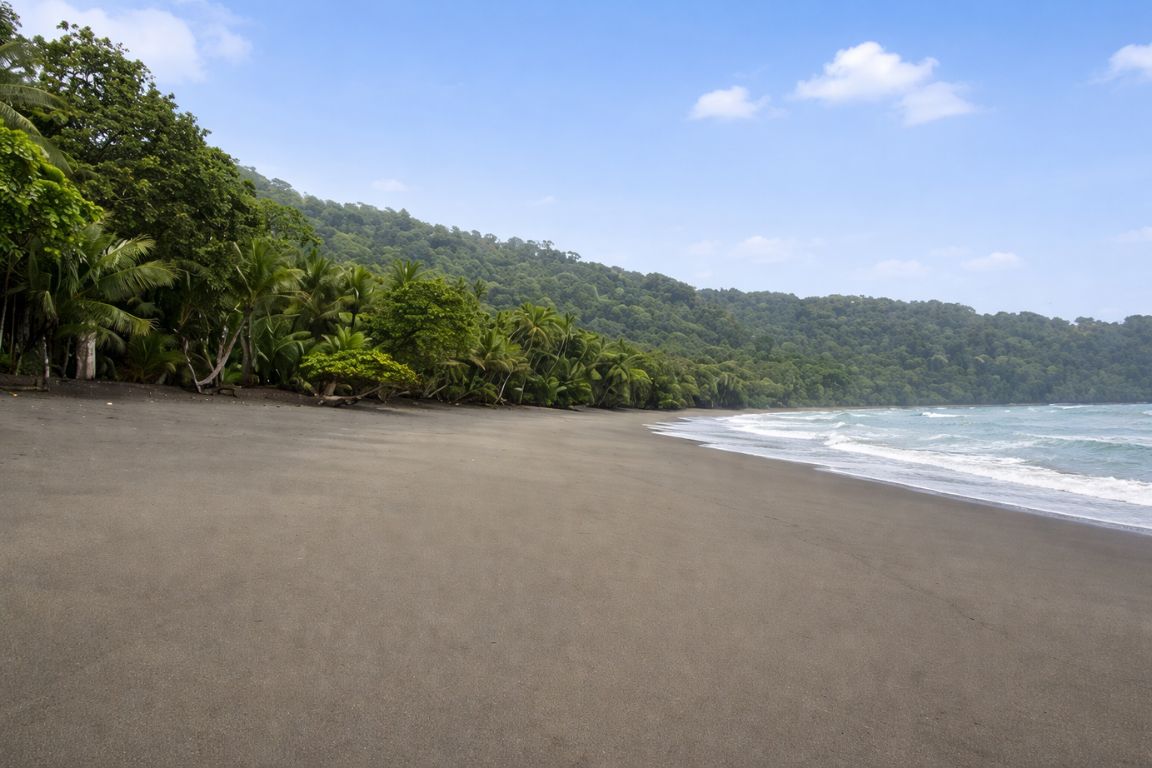 Drake Bay is better for travelers whose entire focus is Corcovado and who want immersion in a forest setting from the moment they arrive. Puerto Jiménez is better for travelers who want flexibility, lower overall costs, access to Golfo Dulce activities, or the option to hike into the park rather than boat in. Neither is universally better – they’re suited to different trips.
Choose Drake Bay if:
- Sirena day trips or overnights are the primary purpose of the Osa leg of your trip and you want the shortest possible boat ride
- You want Caño Island snorkeling as an add-on activity (only practical from Drake Bay)
- You’re traveling as a couple or on honeymoon and a jungle lodge experience with included meals and activities is appealing
- Wildlife immersion before and after park visits matters – the forest around Drake Bay delivers this in a way that Puerto Jiménez town doesn’t
- Budget is not the primary constraint
- You’re comfortable with cash-only logistics and limited services
Choose Puerto Jiménez if:
- You’re traveling on a tighter budget and want to control food and accommodation costs independently
- You plan to hike into Corcovado via La Leona or Los Patos rather than arrive by boat
- You’re traveling with children and want infrastructure, ATMs, and medical access closer to hand
- You want flexibility – the ability to book tours independently, eat at local restaurants, and move around without depending on a lodge to arrange everything
- Golfo Dulce activities appeal: dolphin watching, mangrove kayaking, or whale watching (seasonal)
- You’re flying from San José and want the simpler, cheaper, shorter road option
- You’re visiting during rainy season and want to avoid the unpaved Drake Bay road entirely
Can You Visit Both, and Should You?
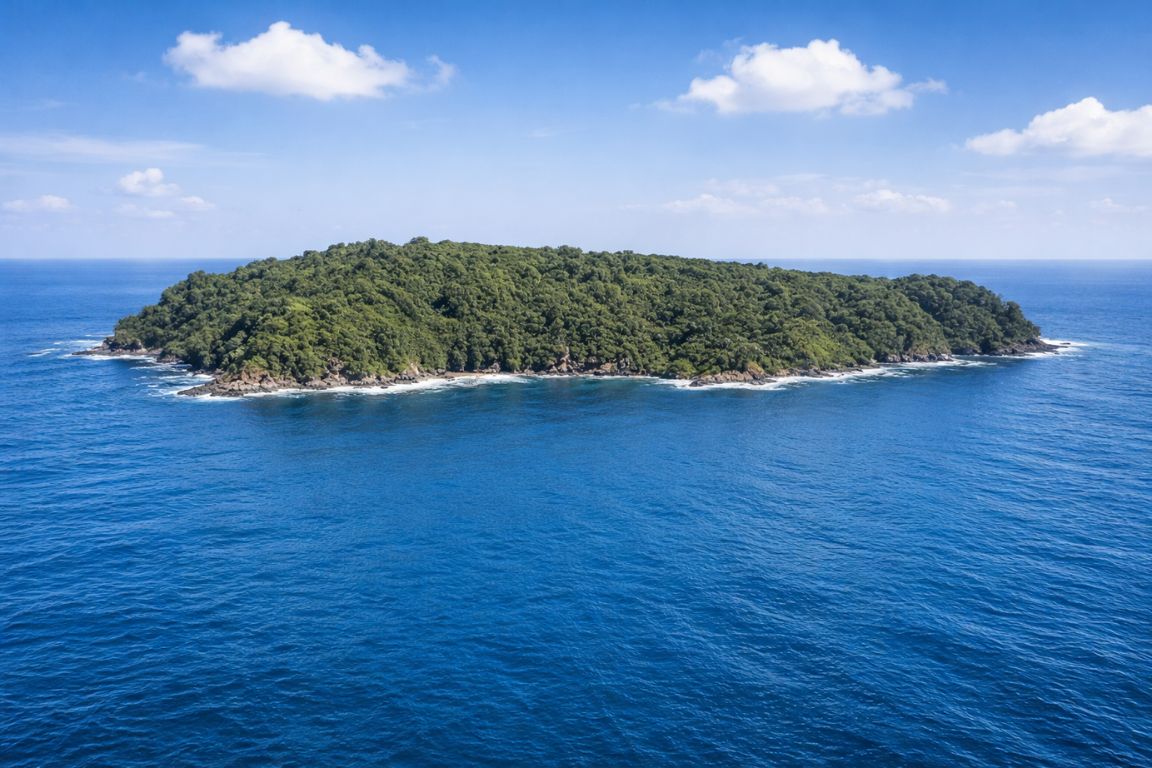 Yes, and for most travelers with 5 or more nights on the Osa, doing both is the best option. The peninsula loop – arriving at Puerto Jiménez, doing a Sirena overnight or day trip, then crossing to Drake Bay by boat or by the overland road to see the Pacific side – gives you two genuinely different environments without redundancy. Several operators run loop itineraries that handle the crossing — see the 5-day Osa itinerary that includes Corcovado, Drake Bay, and Sierpe.
The overland route between the two towns runs about 3 to 4 hours on a mix of paved and gravel road via Rincón. In dry season with a high-clearance vehicle, it’s manageable. In rainy season, the unpaved section is slower and can be rough. The alternative is a short domestic flight between the two airports about 15 minutes or arranging a colectivo transfer through local operators who run between the towns on request.
The classic Osa loop works like this: fly or drive into Puerto Jiménez, spend one or two days visiting Corcovado via the La Leona entrance or boat to Sirena, cross the peninsula to Drake Bay, spend two days at a lodge doing Sirena day trips or Caño Island, then fly back to San José from Drake Bay. You see both sides of the Osa, you get two different forest ecosystems, and you don’t retrace your steps.
Some operators offer Corcovado multi-day tours that use both gateways by design – hiking in via La Leona from the Puerto Jiménez side and boating out through Drake Bay after an overnight at Sirena, or the reverse. This combination gives you the trail experience and the ocean approach in one continuous itinerary.
Need the day trip breakdown? Our Corcovado day tour guide walks you through which ranger stations allow day access, how long you’ll actually spend in the park, and whether it’s worth it versus committing to overnight stays.
The verified trips here return to their starting gateway; none is a confirmed Drake Bay–Puerto Jiménez transfer or through-hike. Arrange that crossing separately and confirm luggage handling before booking either side.
How Our Travelers Split Between the Two Gateways: Data from Our 2025 Client Group
Based on bookings and post-visit feedback from clients guided through Corcovado National Park Tours in 2025, here is how our traveler cohort broke down across the two gateways:
| Share of 2025 bookings | 41% | 38% | 21% |
| Average nights on Osa | 3.2 nights | 2.8 nights | 5.4 nights |
| Booked Sirena overnight | 68% | 44% | 79% |
| Added Caño Island tour | 55% | 8% | 41% |
| Rated overall Osa experience 5/5 | 88% | 82% | 95% |
| Said they’d do the other gateway next time | 61% | 58% | N/A (already did both) |
The satisfaction gap between single-gateway and loop clients is worth noting. The travelers who did both consistently rated the experience higher, partly because the contrast between the two sides of the Osa made each one feel more distinct, and partly because more time in the region generally means more wildlife encounters across more trail systems.
Frequently Asked Questions
Is there an ATM in Drake Bay?
No. Drake Bay has no ATMs and no bank. Bring sufficient cash before you arrive – enough to cover excursions, tips, restaurant meals, and incidentals for your entire stay. Most local operators and restaurants in Drake Bay are cash-only. The nearest ATM is in a town requiring a long drive or boat ride.
Can you reach Drake Bay by car from San José?
Technically yes, but the final 30 km from Rincón to Drake Bay is unpaved gravel and becomes impassable for standard vehicles during the rainy season (May to November). In dry season with a high-clearance vehicle it’s manageable but slow. Most travelers without 4WD opt to park in Sierpe and take the boat to Drake Bay, which takes about 1.5 to 2 hours and passes through mangroves.
Which gateway is better for whale watching?
Drake Bay. The waters off the northwest Osa Peninsula and around Caño Island are among Costa Rica’s best for cetacean encounters. Humpback whales visit in two seasons: Northern Hemisphere whales from January to March, Southern Hemisphere whales from August to October. Spinner and bottlenose dolphins are present year-round. Puerto Jiménez’s Golfo Dulce is better for dolphin watching but less productive for whales.
How do you get between Drake Bay and Puerto Jiménez?
Several options: a 15-minute domestic flight between the two airstrips (Aerobell Airlines, roughly 7 flights per week), a colectivo shared taxi that connects via the overland road through Rincón (3 to 4 hours), a private transfer arranged through your lodge or a local operator, or as part of a multi-day tour that loops across the peninsula including luggage transfer service between the two towns.
Can you visit Caño Island from Puerto Jiménez?
Not practically as a day trip. Caño Island is roughly an hour’s boat ride from Drake Bay and significantly further from Puerto Jiménez. If snorkeling at Caño Island is on your list, base yourself in Drake Bay or plan an overnight on the Drake Bay side specifically for that activity.
Which gateway has better accommodation options on a budget?
Puerto Jiménez. The town has a competitive range of budget guesthouses, hostels, and cabinas starting around $20 to $40 per night, with independent restaurants serving casados for $5 to $10. Drake Bay has budget options too, but the remote setting and limited food competition push prices higher across the board.
Written by Mateo Alejandro Rivera
Costa Rican tour guide since 2015 · Founder, Corcovado National Park Tours
Mateo has guided over 7,300 travelers through Corcovado National Park and the Osa Peninsula since founding the agency.
Your Corcovado Next Step
Choose Your Date Before Planning The Rest
Sirena Day Trip From Drake Bay. Boat to Sirena, guided trails, park fees and lunch. Check your travel date before arranging your remaining accommodation and transport.
7–8 hours · Meet at Rancho Corcovado Lodge; returns to Drake Bay. Lunch location can vary; confirm with Pacheco. Not wheelchair accessible. Non-refundable.
Choose a date to see scheduled departures. Availability and final price are confirmed on Viator.
Initial editorial recommendation. Change the trip choices below to find a route that fits; the operator confirms suitability and availability.
Compare Routes And Adjust Your Trip
One Night At Sirena From Drake Bay · 2 days / 1 night. Boat transfers, guided morning and afternoon walks, Sirena lodging, park fees and four meals. Meet at Rancho Corcovado Lodge at 5:50 am; briefing the day before recommended. Shared station accommodation; moderate fitness. Tips extra. Non-refundable.
Sirena Day Trip From Puerto Jiménez · 8 hours. Boat transport, guided Sirena trails, park tickets and lunch. Puerto Jiménez pickup must be confirmed. Wet landing; not recommended for pregnancy, spinal injuries or poor cardiovascular health. Age bands 51–69 are missing from the listing; ask the operator.
La Leona Coastal Day Hike · 10 hours. Guided coastal hiking from Carate through the La Leona sector, park admission and optical equipment. Starts and ends in Puerto Jiménez; confirm pickup. At least 10 km walking. Meals and drinking water excluded; confirm transport charges. Moderate fitness.
Compare Your Own Total Quotes
Enter two complete quotes in the same currency, including transport, meals and accommodation for the same party. A difference is not a saving unless the inclusions are comparable.
Add both totals and your party size to compare.