Sirena Ranger Station Guide
Sirena Ranger Station is the only place to sleep inside Corcovado, and it books out months ahead. Learn how to secure a spot, what it’s really like, and why overnight stays are the highlight of most trips.
Last updated: May 4, 2026
Sirena is Corcovado’s interior station – the only one surrounded on all sides by primary rainforest, which is exactly why wildlife here behaves differently than anywhere else in the park. You cannot visit without a certified guide and advance permits. Day trips by boat from Drake Bay or Puerto Jiménez run roughly $110 to $160 per person; overnight packages start around $350 per person. The park closes Sirena entirely in October. Book at minimum 6 to 8 weeks out during dry season (December to April) – spots fill fast and SINAC does not allow date changes or refunds once confirmed.
Curious about a night at the station? Explore a Sirena overnight with guided trails, meals and shared lodging included. Explore One Night At Sirena From Drake Bay
Sirena Ranger Station: Quick Facts
| Location | Interior of Corcovado National Park, Osa Peninsula, Puntarenas Province, Costa Rica |
| Park Entry Fee | $18 USD per person (all visitors) – Prices verified March 2026 |
| Guide Requirement | Mandatory for all visitors, day and overnight. ICT-certified guides only. |
| Day Trip Cost (approx.) | $110–$160 per person (guide, transport, park fee, lunch) – Prices verified March 2026 |
| Overnight Cost (approx.) | From $350/person (Drake Bay); from $450/person (Puerto Jiménez) – Prices verified March 2026 |
| Station Bunk Fee | ~$30/night – cash only – Prices verified March 2026 |
| Day Visitor Cap | ~500 people per day (Sirena sector) |
| Overnight Visitor Cap | ~80 people including guides |
| Trail Network | 8 trails, 20 km total radiating from the station |
| Electricity Hours | 5:30 am to 8:30 pm (solar panels). No charging outlets in dorms. |
| Park Closure | Sirena sector closes entirely in October for trail maintenance |
| Day Trip Booking | Permits via SINAC: [email protected] |
| Overnight Booking | Via ADI Corcovado: [email protected] |
| Best Time to Visit | December to April (dry season). Wildlife viewing is strong year-round. |
What Exactly Is Sirena Ranger Station and Why Do Travelers Make It Their Main Goal?
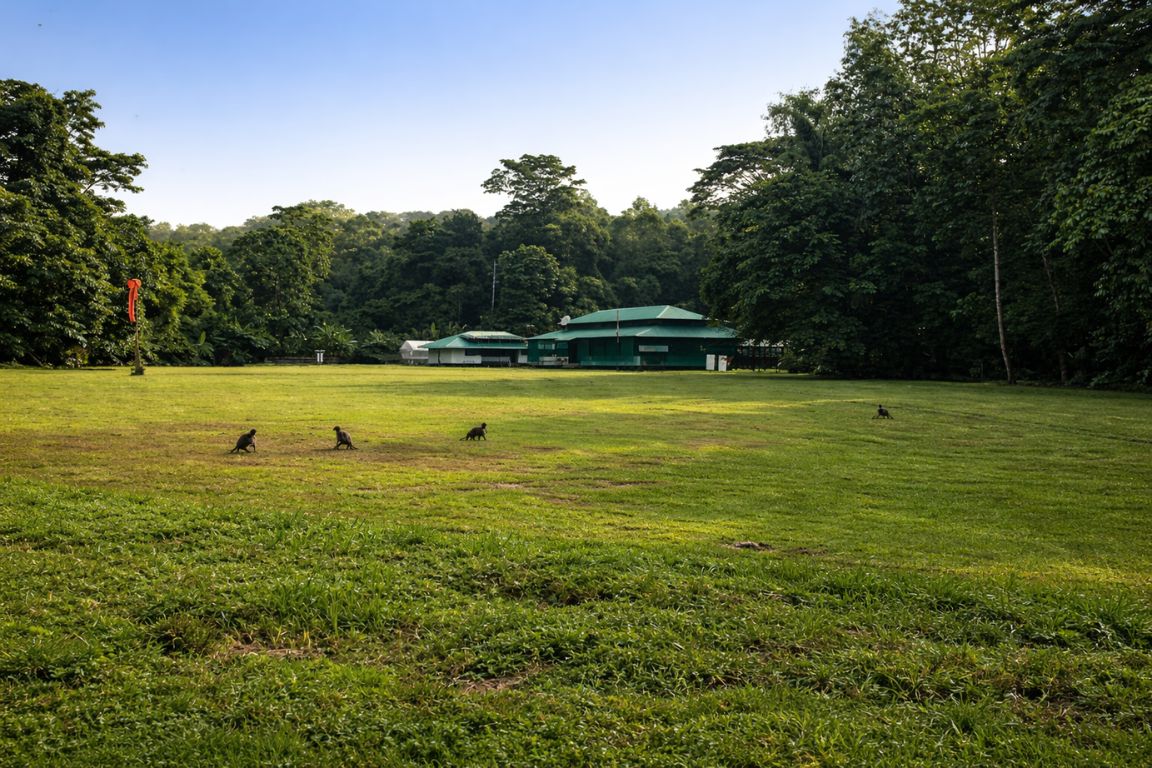 Sirena is Corcovado’s only interior station, positioned in the heart of the park’s basin rather than at an entrance edge. That single geographical fact explains everything. Wildlife here isn’t pushed to the perimeter of a protected area – it’s surrounded by primary forest on every side, with nowhere to go and no reason to leave. For travelers, this means more animals, more natural behavior, and wildlife encounters that feel genuinely wild rather than managed. It is the most wildlife-dense accessible location in Costa Rica.
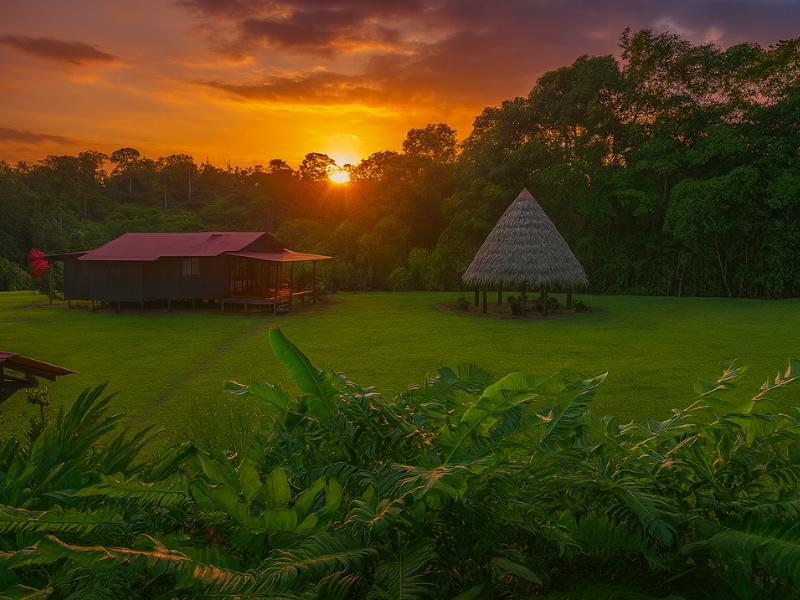
The station sits roughly halfway down the Osa Peninsula, ringed by eight trails covering 20 kilometers of forest, beach, and river ecosystems. The buildings themselves are weathered wooden structures connected by covered walkways – offices, dormitory rooms, a dining hall, a small nature shop, and a porch that has probably produced more tapir sightings than any formal hide in the country. It is not a lodge. It is a research station that tolerates visitors, which is precisely why it feels different.
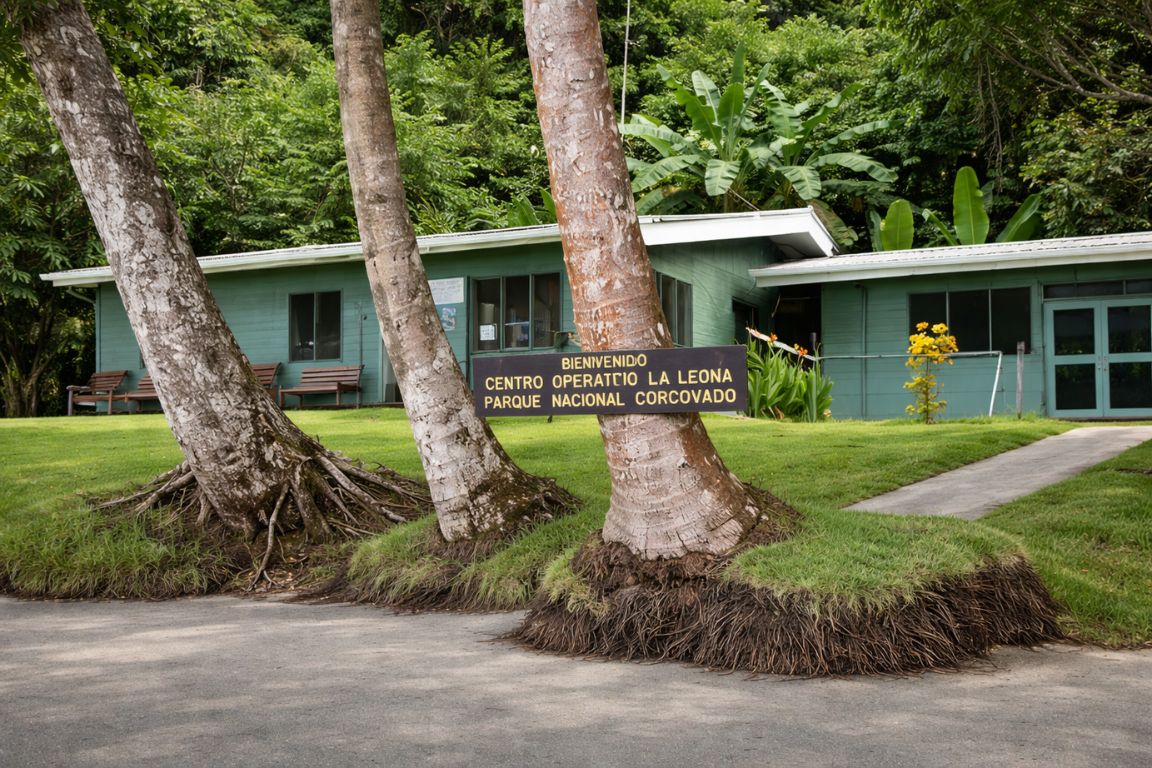
Most of the other stations – La Leona, San Pedrillo, Los Patos – sit at or near the park’s boundary. Animals in those areas routinely cross between park habitat and the surrounding landscape. Sirena animals don’t. White-lipped peccaries root through the forest floor in herds without breaking stride. Tapirs wade through the river mouth in full daylight. Four species of monkey occupy the same canopy overhead, interacting in ways you’d need years of patience to observe anywhere else. The Osa Peninsula holds 2.5% of the world’s total biodiversity, and Sirena sits at the center of it.
National Geographic called this region the most biologically intense place on Earth. After 7,300 guided visits across this park, we’d call that accurate.
Need help with logistics? Check out our breakdown on how to visit Corcovado National Park tours – from mandatory guide rules to navigating boat and plane access to this incredibly remote wilderness.
If you’d rather hand the logistics to someone who’s done this 7,300 times, a 2-day Sirena overnight from Drake Bay covers permit booking, the certified guide, and the station bunk.How Do You Get to Sirena Ranger Station (and Which Route Should You Choose)?
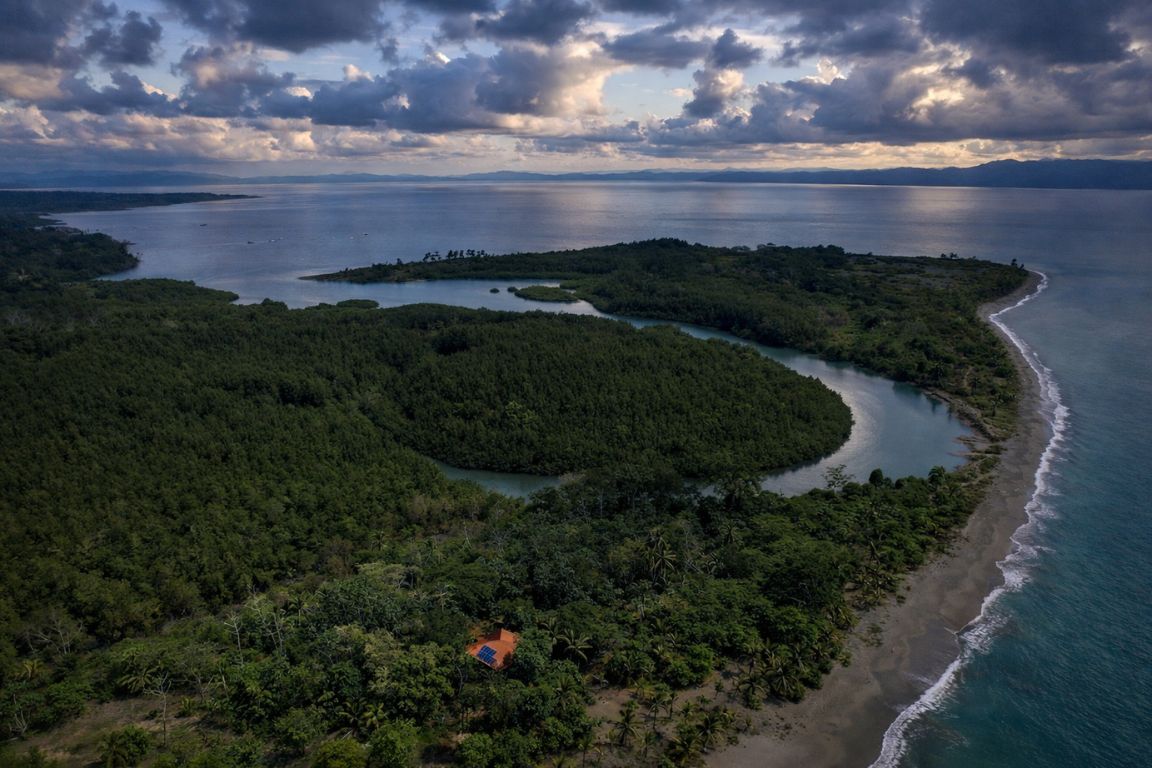 There are three ways in: by boat from Drake Bay (roughly 60 to 90 minutes), by boat from Puerto Jiménez (roughly 90 minutes), or on foot via multi-day jungle treks. Most first-time visitors arrive by boat from Drake Bay, which is closer and operationally simpler. The foot routes – La Leona to Sirena (16.5 km, 6 to 7 hours) and Los Patos to Sirena (20 km, 8 to 9 hours) – are for experienced hikers building multi-day itineraries. A small charter flight from Puerto Jiménez is also possible but expensive.
| Boat | Drake Bay beach | 60-90 min | Hugs the coastline. Tides affect access. Most popular route. | Day trips and overnights. Easiest logistics. |
| Boat | Puerto Jiménez pier (5:30 am departure) | ~90 min | Longer route around the peninsula. Stunning coastal views. | Those basing themselves in Puerto Jiménez. |
| Hike (La Leona) | Carate / La Leona Station | 6-7 hours | 16.5 km. Coastal and jungle mix. River crossings. Tide-dependent. | Experienced hikers wanting immersive multi-day route. |
| Hike (Los Patos) | La Palma / Los Patos Station | 8-9 hours | 20 km inland. Dense primary forest throughout. Harder terrain. | Serious trekkers. Best primary forest experience on foot. |
| Charter Flight | Puerto Jiménez airport | ~15 min | Lands on the Sirena grass airstrip. ~$400 one way to charter. | Mobility limitations or tight schedules. Expensive. |
One thing most guides won’t mention: the boat from Drake Bay boards directly off the beach. You wade in. Wear shorts and water shoes for the departure, then change at the station. The boats leave on schedule regardless of who is still on shore – this is not a polite suggestion, it is a fixed fact that has left tardy travelers behind more than once.
In the wet season (May to November), ocean conditions can affect whether boat access is even possible on a given day. Tides also control access to certain river crossings on the foot routes. Your guide factors all of this in when planning the itinerary, which is one of many reasons the mandatory guide rule exists for good reason.
Curious about the routes? Here are the best trails in Corcovado National Park tours – what’s doable as day hikes, what requires overnight camping, and which paths showcase the park’s legendary biodiversity best.
What Permits and Reservations Do You Need to Visit Sirena?
All Sirena visitors need two things confirmed before arrival: a SINAC park entry permit ($18 per person per day) and a certified ICT-registered guide. For overnight stays, accommodation and meals must also be booked separately through ADI Corcovado before you travel. None of these can be arranged at the gate – SINAC does not allow refunds or date changes after confirmation, so getting the dates and logistics right before booking is not optional.
The permit system has two separate channels depending on your visit type. Day trippers book entry through SINAC directly at [email protected]. Overnight visitors handle accommodation through ADI Corcovado at [email protected]. Both channels need your exact dates and passport details. Your guide or tour operator typically handles this entire process on your behalf, which is one practical reason to book a listed Sirena overnight rather than trying to coordinate the two channels independently.
A few hard rules worth knowing before you try to book:
- SINAC does not issue refunds or permit date changes. This is enforced. Plan around it.
- You cannot bring food or drinks from outside the park. Outside water bottles must be reusable, not single-use plastic.
- No outside food means you must book meals at the station in advance. The kitchen cooks off-grid for a small group, food comes in by boat once a week, and the meals are genuinely good – traditional Costa Rican, with vegetarian options on request.
- Night hikes are not permitted at Sirena. The station lights off at 8:00 pm.
- The Sirena sector closes entirely in October for trail maintenance. All other park sectors remain open during this period.
Peak season (December to April) and the secondary high season (July to August) sell out weeks to months in advance. Dry season weekends in January and February can fill up 2 to 3 months out. If Sirena is a priority for your Costa Rica trip, treat the permit booking as step one in your itinerary, not a detail to sort later.
Not all months work for remote jungle trekking. The best time to visit Corcovado National Park tours changes dramatically based on rainy season intensity, trail accessibility, and whether you prioritize wildlife or bearable hiking conditions.
What Wildlife Can You Actually Expect to See at Sirena?
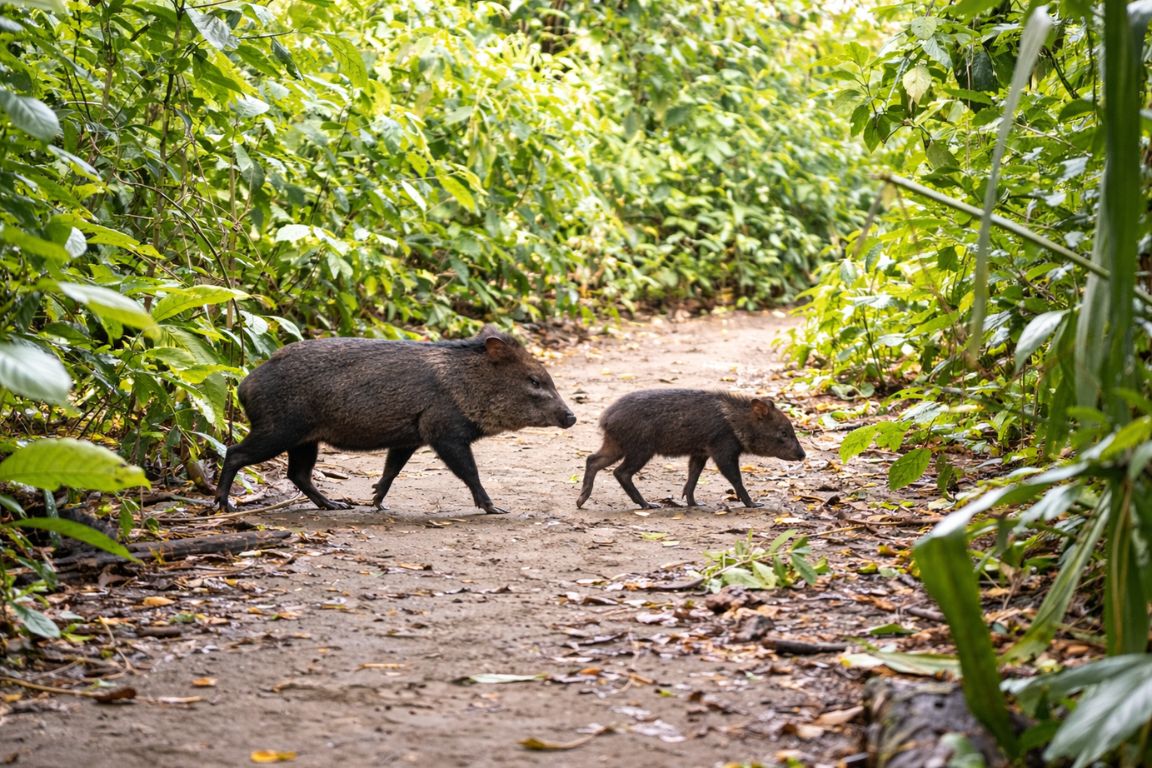 Sirena consistently delivers Costa Rica’s highest wildlife encounter rates. Scarlet macaws are near-guaranteed; all four monkey species are regularly seen; tapir sightings run at roughly 70% for overnight visitors. Jaguars are present in the park but the honest probability of seeing one, even with experienced guides, sits around 5%. The animals that reliably show up at Sirena – tapirs, peccaries, coatis, anteaters, four monkey species, caimans, crocodiles – are themselves genuinely rare and remarkable. Managing expectations around jaguars is part of our job.
The species list for the Osa Peninsula runs to 140 mammal species, 370 bird species, and over 10,000 insect species. Corcovado also hosts five feline species including jaguar, puma, ocelot, margay, and jaguarundí, and is the only park in Costa Rica where all four primate species share the same habitat. What makes Sirena specifically remarkable is density and behavior. Animals at the station’s perimeter have enough forest context to act like wild animals. You are the visitor in their territory, not the other way around.
What you’re most likely to actually see at Sirena:
- Scarlet macaws in mated pairs cutting across trails and perching in almendro trees. Costa Rica’s largest macaw population lives in Corcovado. You will see them. Probably many times.
- Baird’s tapir, Central America’s largest land mammal, often spotted at dawn and dusk near river crossings. The Río Claro trail is particularly productive. Overnight visitors who get out before 6 am regularly encounter three to five tapirs in a single morning.
- All four monkey species – howler, spider, white-faced capuchin, and Central American squirrel monkey. Spider monkey troops are particularly active around the station clearing, and hearing howlers at dawn from inside a wooden bunk at 5:00 am is something that does not need embellishment.
- White-lipped peccaries in groups of 30 or more, moving through the understory like a small, bristled army.
- American crocodiles and bull sharks at the Río Sirena mouth during high tide. This is not a travel writer’s flourish – both species congregate there, and guides know exactly where and when to look.
- Great curassows, toucans, harpy eagles (rare but present), two Corcovado-endemic bird species: the Yellow-Bill Cotinga and the Black-Cheeked Ant-Tanager.
One honest note on the jaguar question. We guide people through here constantly, and a jaguar sighting remains genuinely rare even for us. The cats are nocturnal, wide-ranging, and not habituated to human presence the way animals at some other parks can be. If a jaguar sighting is the specific thing you’re hoping for, manage that expectation honestly. If extraordinary wildlife in a genuinely wild landscape is the goal, Sirena delivers that reliably.
If you’re going for the wildlife, here’s our breakdown of the animals of Corcovado National Park so you can set realistic expectations about what you’ll see in one of Earth’s most biodiverse places.
Should You Do a Day Trip to Sirena or Stay Overnight?
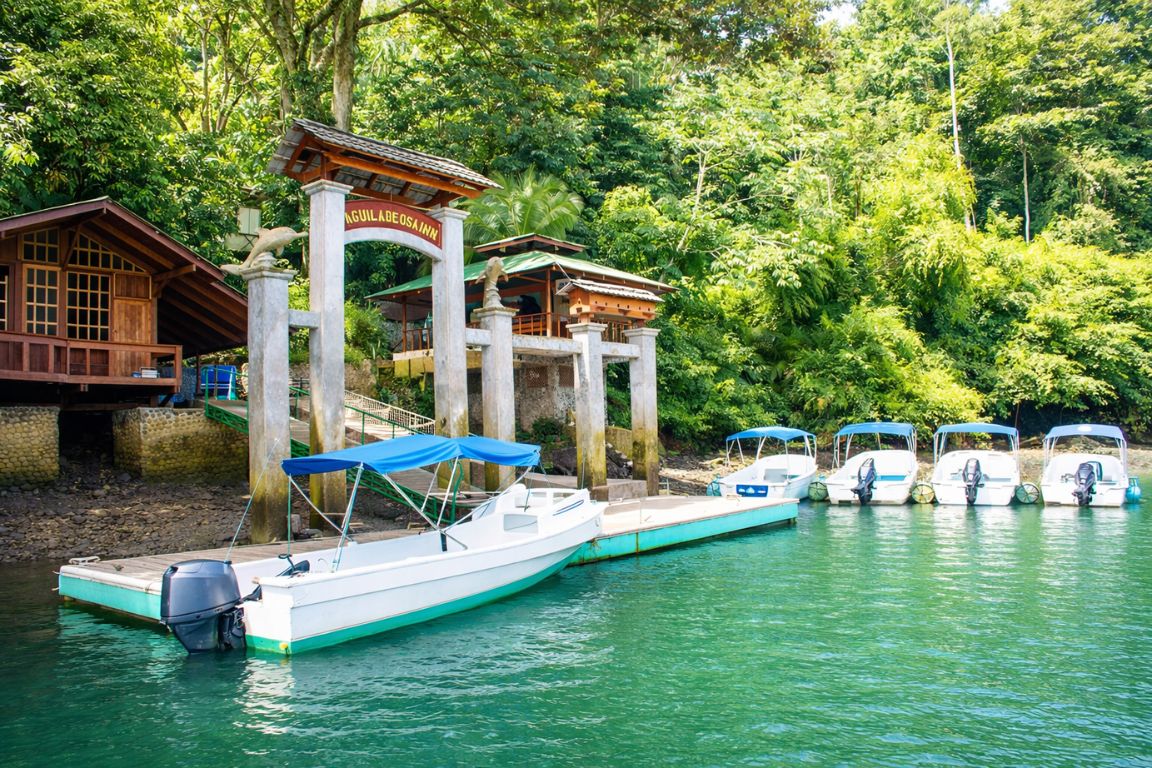 If you have the time and budget, stay overnight. The gap in wildlife quality between a day trip and an overnight stay is significant, not marginal. Day visitors get six to seven hours inside the park with no access to dawn or dusk activity windows, which is precisely when tapirs move, peccaries forage, and the forest shifts into a different register entirely. Overnight stays double your active wildlife hours and give you the park before and after the day-trip boats leave. For serious wildlife viewers, the overnight is not a luxury add-on.
| Active Hours in Park | ~6 hours (mid-morning to early afternoon) | ~30 hours including two dawn and one dusk window |
| Cost (approx., from Drake Bay) | $110-$160 per person | From ~$350 per person |
| Tapir Encounter Probability | Moderate (midday activity is lower) | High (dawn / dusk movement significantly higher) |
| All 4 Monkey Species | Possible | Much more likely |
| Pace | Rushed – boat in, hike, lunch, boat out | Relaxed – hike morning, rest midday, hike afternoon and dawn |
| Accommodation | N/A | Shared dorm bunks with mosquito nets, sheets; cold showers; solar electricity 5:30 am to 8:30 pm |
| Food | Lunch typically included in tour | All meals included; traditional Costa Rican, surprisingly good |
| Booking Lead Time | 2-4 weeks minimum in peak season | 6-10 weeks minimum in peak season |
| Lights Out | N/A | 8:00 pm. No night hikes permitted. |
The accommodation reality deserves a direct description. Five dormitory-style rooms, each with bunk beds, shared cold-water bathrooms, and no charging outlets in the rooms. Electricity runs on solar panels and shuts off at 8:30 pm. The station is warm and humid at night, and some guests find the heat inside the bunks difficult – bring a lightweight silk liner and a small battery-powered USB fan if heat sensitivity is an issue. The trade-off is waking at 5:00 am to a forest that belongs entirely to you and whatever animals are moving through it.
One option that experienced visitors sometimes take: request the covered tent platforms at the station rather than a bunk. You’re still sheltered from rain, but the airflow is better and the experience of sleeping closer to the forest floor is its own reward.
We’ve created a detailed Corcovado day tour guide because not everyone can commit to multi-day treks – but day tours still require early starts, certified guides, and serious hiking in jungle heat.
What Should You Pack and How Fit Do You Need to Be?
 The trails at Sirena are flat, which is genuinely helpful. But flat does not mean easy. You’re hiking in near-100% humidity, often in temperatures above 30°C, on paths that turn to mud after rain. The standard day trip involves around 10 kilometers of walking at a moderate pace. Moderate fitness – meaning you can sustain a two to three hour walk without stopping – is sufficient for the day trip. The multi-day foot routes from La Leona or Los Patos require solid hiking fitness and preparation.
What to pack for a Sirena day trip or overnight:
- Long-sleeved lightweight shirt and lightweight long pants for trail sections (sun and insects)
- Waterproof trail shoes or rubber boots – boots available for rent at the station
- Water shoes or sandals for boat boarding at Drake Bay (you wade in off the beach)
- Reusable water bottle (required; single-use plastic is prohibited in the park)
- High-DEET insect repellent – apply before entering the trail, reapply at the station
- Headlamp with fresh batteries (essential for overnight stays; electricity cuts at 8:30 pm)
- Quick-dry towel (not provided at the station)
- Cash for lockers ($4/day), any station store purchases, and tips for kitchen staff
- Rain jacket or packable poncho – not optional, it’s a rainforest
- Camera with a decent telephoto or zoom capability for wildlife photography
A word on heat management that most packing lists skip. Dizziness, nausea, confusion, or a sudden stop in sweating during the hike means heat stress and requires immediate communication to your guide. Drink before you feel thirsty. The midday break (roughly noon to 2 pm) exists for a reason – the forest is quieter and the heat is at its worst. Use it.
What Do Most Visitors Get Wrong About Sirena (Fail Points and What Works)?
The single most common mistake is booking too late and losing permits entirely. After that: showing up physically unprepared for humidity and heat, underestimating what “cash only” means for station purchases, and expecting the station to feel like an eco-lodge. These are all avoidable. The visitors who have the best time at Sirena treat it as a wilderness expedition, not a nature resort, and plan their logistics three to four months out for peak season dates.
After guiding thousands of people through Sirena, these are the patterns we see consistently:
What trips people up
- Late permit booking. SINAC’s 500-person daily cap and 80-person overnight cap fill quickly during December to April and July to August. Travelers who assume they can sort this out a week before arriving frequently find there are no spots. Sirena is not a walk-in experience.
- No refunds, no date changes. SINAC enforces this strictly. If your travel plans shift after you’ve confirmed permits, you lose the money. This is not a tourist-board horror story – we’ve watched it happen to clients who didn’t take it seriously.
- Underestimating the heat and humidity. Mid-March in Corcovado runs close to 35°C with humidity that soaks your clothes in the first twenty minutes. People who arrive expecting a comfortable jungle walk sometimes find the physical reality challenging. Go slow on the first trail section, drink constantly, and let your guide set the pace.
- Assuming gear doesn’t matter. Wearing cotton hiking clothes, inadequate footwear, or no insect protection makes the experience measurably worse. The boot rental at the station exists because the trails genuinely benefit from them.
- Not pre-booking meals. You cannot bring outside food. If you haven’t reserved meals at the station before arrival, you’re solving a problem that was entirely preventable. Your tour operator handles this, but confirm it is handled before you travel.
- Expecting the dorms to be quiet. They are shared rooms with no fans. Other visitors move, snore, wake early. Light sleepers who don’t bring earplugs or a good sleep setup sometimes struggle. The tent platform option or a USB fan changes the overnight experience substantially.
What the best visits have in common
- Booking 2 to 3 months out for peak season. This is the single biggest factor in having a confirmed, unhurried trip.
- Arriving for the early morning hike rather than the midday one. Dawn is when Sirena belongs to the animals. Tapirs, anteaters, and most bird activity front-loads into the first two hours of light.
- Asking the guide to slow down, not speed up. The wildlife encounters that people remember from Sirena are almost always the ones where someone stopped moving and stayed still for a few minutes. Speed is not rewarded here.
- Spending at least one night. The travelers who do day trips and overnights both consistently report that the overnight was a different experience entirely. The departure of the last day-trip boat in early afternoon shifts the station’s energy completely.
- Coming prepared for conditions, not fighting them. Wet boots, sweaty clothes, mud – these are the environment, not failures of planning. The visitors who enjoy Sirena most are the ones who lean into where they are.
What Our Travelers Actually Experience at Sirena: Data from Our 2025 Client Group
Based on feedback from clients we guided to Sirena Station through Corcovado National Park Tours, here is what our traveler cohort reported in 2025:
| Tapir sighted at least once | 52% | 78% |
| All 4 monkey species in one visit | 38% | 71% |
| Scarlet macaws sighted | 96% | 98% |
| Crocodile or caiman at river mouth | 61% | 84% |
| Peccary herd encountered | 44% | 69% |
| Would return or recommend overnight | 81% | 97% |
| Rated experience 5/5 | 74% | 93% |
The pattern here tracks exactly with what we observe on the trails. Dawn and dusk are when Sirena delivers its best wildlife windows, and those windows are only available to overnight visitors. Every percentage point difference in the table above comes down to those extra hours in the park.
Frequently Asked Questions
Can you visit Sirena Ranger Station without a guide?
No. Since 2014, all Corcovado National Park visitors must be accompanied by an ICT-certified guide. This applies to both day trips and overnight stays. Independent entry is not permitted regardless of experience level. Your guide must be registered on the official Corcovado Guide List.
How far in advance do you need to book Sirena permits?
For dry season visits (December to April) and the July to August secondary peak, book 6 to 10 weeks out at minimum. Green season (May to June, September to November) offers more availability, but permits can still sell out, especially for overnights with an 80-person total cap. SINAC does not hold last-minute spots.
Is there Wi-Fi at Sirena Ranger Station?
Limited Wi-Fi is available in the station’s common area only. There is no mobile data coverage at Sirena. The station is about an hour by boat from the nearest town, off-grid by design.
Can you hike to Sirena from Drake Bay on foot?
There are no hiking entrances to Corcovado from Drake Bay. Access from Drake Bay is exclusively by boat. Foot routes to Sirena begin at La Leona Station (from Carate) or Los Patos Station (from La Palma).
What happens if it rains heavily during a visit?
Corcovado averages up to six meters of rainfall per year on the Osa Peninsula. Rain is part of the experience, not a disruption. The station’s covered walkways keep you dry between buildings, and trails continue operating in rain. Heavy rain can affect boat access and river crossing safety on foot routes – your guide monitors conditions and adjusts accordingly.
Is Sirena suitable for children?
Yes, for children who are physically capable of 8 to 10 kilometers of walking in heat and humidity. The trails are flat. Younger children who can be carried in a backpack-style carrier have also done the day trip successfully. The park is not suitable for very young children who cannot manage the heat, humidity, and pace. Check with your guide before booking with children under 8.
Written by Mateo Alejandro Rivera
Costa Rican tour guide since 2015 · Founder, Corcovado National Park Tours
Mateo has guided over 7,300 travelers through Corcovado National Park and the Osa Peninsula since founding the agency.
Your Corcovado Next Step
Choose Your Date Before Planning The Rest
One Night At Sirena From Drake Bay. Boat transfers, guided morning and afternoon walks, Sirena lodging, park fees and four meals. Check your travel date before arranging your remaining accommodation and transport.
2 days / 1 night · Meet at Rancho Corcovado Lodge at 5:50 am; briefing the day before recommended. Shared station accommodation; moderate fitness. Tips extra. Non-refundable.
Choose a date to see scheduled departures. Availability and final price are confirmed on Viator.
Initial editorial recommendation. Change the trip choices below to find a route that fits; the operator confirms suitability and availability.
Compare Routes And Adjust Your Trip
Sirena Day Trip From Drake Bay · 7–8 hours. Boat to Sirena, guided trails, park fees and lunch. Meet at Rancho Corcovado Lodge; returns to Drake Bay. Lunch location can vary; confirm with Pacheco. Not wheelchair accessible. Non-refundable.
Sirena Day Trip From Puerto Jiménez · 8 hours. Boat transport, guided Sirena trails, park tickets and lunch. Puerto Jiménez pickup must be confirmed. Wet landing; not recommended for pregnancy, spinal injuries or poor cardiovascular health. Age bands 51–69 are missing from the listing; ask the operator.
La Leona Coastal Day Hike · 10 hours. Guided coastal hiking from Carate through the La Leona sector, park admission and optical equipment. Starts and ends in Puerto Jiménez; confirm pickup. At least 10 km walking. Meals and drinking water excluded; confirm transport charges. Moderate fitness.
Compare Your Own Total Quotes
Enter two complete quotes in the same currency, including transport, meals and accommodation for the same party. A difference is not a saving unless the inclusions are comparable.
Add both totals and your party size to compare.