Best Trails in Corcovado National Park
Corcovado trails range from easy wildlife loops to multi-day jungle treks. Discover which routes to choose (Sirena, La Leona, Los Patos, El Tigre) and where the best wildlife spotting actually happens.
Last updated: May 4, 2026
Corcovado has two types of trails: the long inter-station routes that get you between ranger stations (La Leona to Sirena, Los Patos to Sirena, Sirena to San Pedrillo), and the short local trail network radiating from Sirena Station – 8 trails totaling 20 km, flat and wildlife-rich, accessible to almost any fitness level. The La Leona coastal trail is the most popular but brutally hot on the beach section. Los Patos is the most challenging and most rewarding for primary jungle immersion. The Sirena local trails are where the serious wildlife watching happens. El Tigre is the newest and most accessible entry, ideal for day trippers from Puerto Jiménez who want real park access without the boat or the major hike. The full traverse from La Palma to Carate, 50+ km over 3 or more days, is the pinnacle for serious hikers.
Want more time on Sirena’s local trails without a long approach hike? Explore the boat-in overnight; the route comparison follows the trail guide. Explore One Night At Sirena From Drake Bay
| Sirena Local Trails (network) | 2-5 km each (20 km total) | 1-4 hrs each | Easy | Wildlife watching, all fitness levels, day and overnight visitors |
| La Leona to Sirena | ~20 km (one-way) | 7-9 hrs | Hard | Beach/jungle combo, overnight hikers, fit travelers |
| Los Patos to Sirena | ~20 km (one-way) | 8-10 hrs | Hard-Very Hard | Primary jungle immersion, serious hikers, dry season only |
| San Pedrillo trails | Up to 7 km (Llorona trail) | 1-4 hrs | Easy-Moderate | Drake Bay day trippers, waterfall, coastal forest |
| El Tigre (Dos Brazos) | 7-8 km (loop) | 6-7 hrs | Moderate-Hard | Puerto Jiménez day trips, birding, no boat required |
| Full Traverse (La Palma-Carate) | 50+ km | 3-5 days | Very Hard | Experienced backcountry hikers only |
Distances from SINAC official sector data and AllTrails verified trail records. Duration estimates based on our operational experience – individual times vary significantly with conditions, fitness, and wildlife stops. Data verified March 2026.
What Should You Know Before Choosing a Trail in Corcovado?
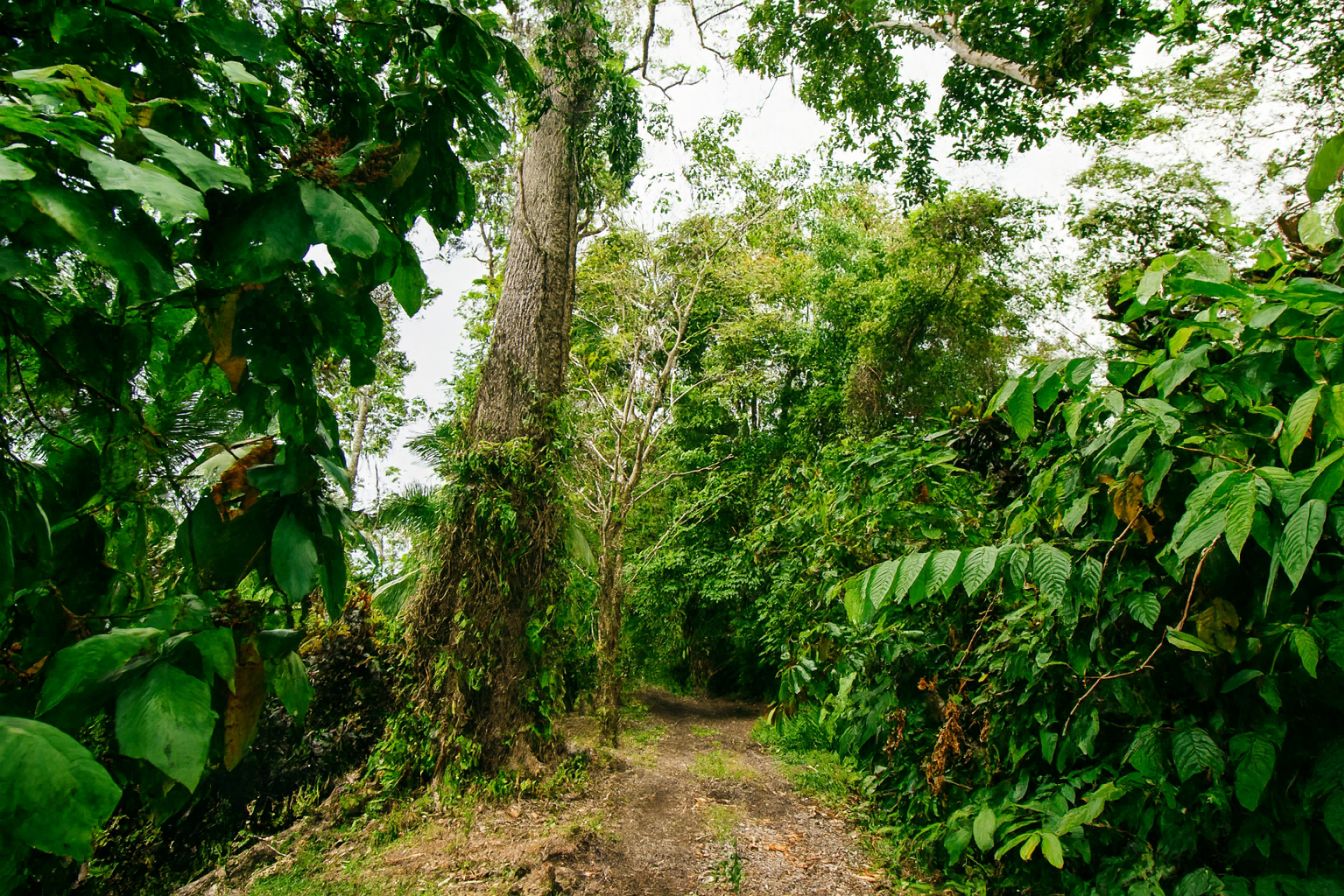
Every trail in Corcovado requires a certified guide, advance permits, and careful timing around tides for any coastal or river-crossing route. Trail conditions vary dramatically between seasons – the dry season (December to April) makes most routes accessible, while the green season (May to November) can turn the Los Patos trail into a near-impassable mud course and raises river levels across every route. The most important choice isn’t which trail – it’s whether you’re doing a day trip or overnight, because that determines which sections of the network you can actually reach.
Before anything else, a clarification that most trail guides skip: Corcovado’s trail network isn’t one continuous system you pick a segment from. It’s organized around the ranger stations, each of which is its own entry point with its own permit, its own character, and its own access requirements. Getting from one station to another involves a multi-hour hike through genuinely wild terrain. That’s a feature, not a bug. But it means your trail selection is really a station selection first, and then a route decision within or between stations.
Timing is critical in this rainforest. The best time to visit Corcovado National Park tours depends on whether you can handle brutal wet season mud or prefer dry season trails when wildlife congregates at waterholes.
The critical variables to work through before booking:
- Are you doing a day trip or an overnight? Day trips can reach Sirena by boat, San Pedrillo by boat, La Leona on foot from Carate, and El Tigre on foot from Dos Brazos. The long inter-station hikes (La Leona to Sirena, Los Patos to Sirena) almost always require an overnight stay at Sirena to be worth doing – arriving exhausted from 8 hours of hiking and immediately turning around doesn’t make sense.
- What season are you visiting? The Los Patos trail is effectively dry season only – green season mud and river levels make it unreliable and some operators stop running it entirely. The La Leona coastal trail is doable year-round but significantly harder in the wet months. The Sirena local trail network is flat and usable in any weather.
- What’s your actual fitness level? We cover this in detail in the difficulty section below, but the La Leona to Sirena hike involves hours of walking on soft sand in tropical heat. That is a specific kind of demanding that regular gym fitness doesn’t necessarily prepare you for. Be honest with your guide before you commit to a route.
- Are tides in your planning? Coastal routes are tide-dependent. The section of beach near Salsipuedes between La Leona and Sirena becomes impassable at high tide – a section called “Sal Si Puedes” (Get Out If You Can), named with a certain dark Costa Rican humor. Your guide manages tidal timing. You need to start early enough that this isn’t a problem.
Not sure where to start? I’ve put together a complete guide on how to visit Corcovado National Park tours so you understand guide requirements, getting to this remote peninsula, and whether multi-day treks or day trips make sense.
What Is the Sirena Trail Network and Why Is It the Best Starting Point?
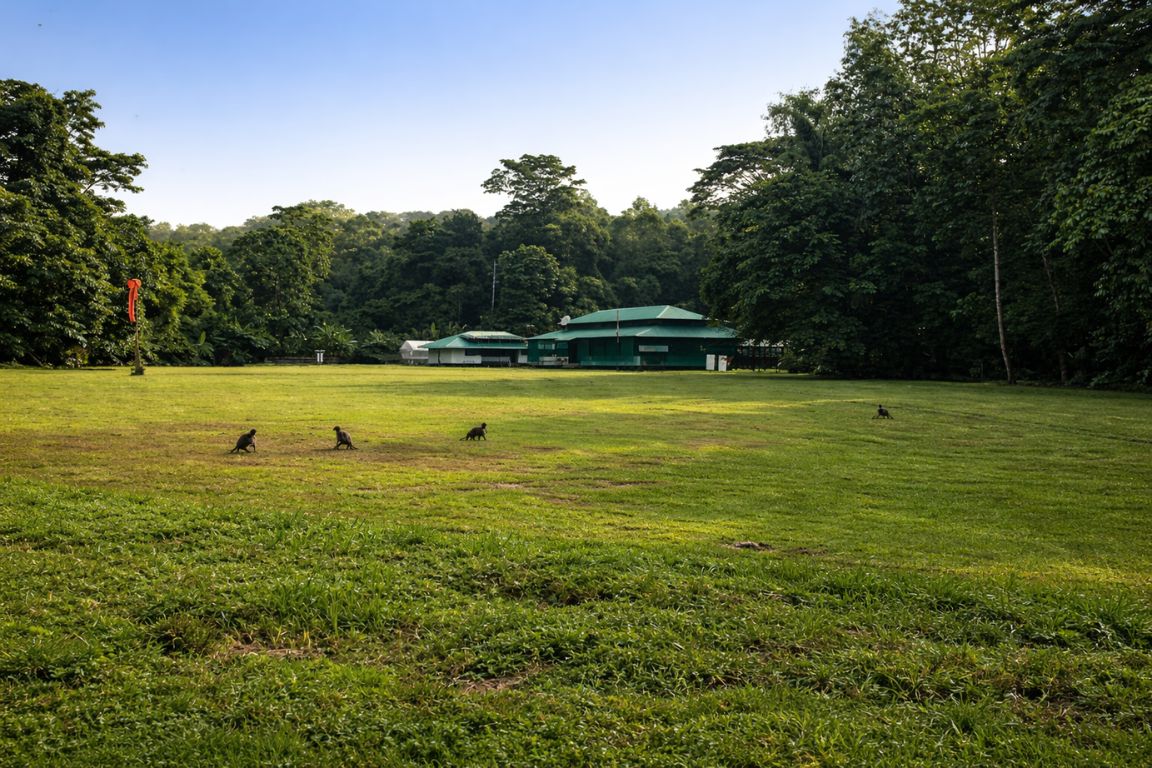 The Sirena local trail network consists of 8 trails totaling 20 km, all radiating from Sirena Station into the surrounding primary and secondary forest. The trails are flat to gently rolling, accessible to almost any fitness level, and represent the highest concentration of wildlife in the entire park. For day trippers arriving by boat and overnight guests alike, these trails are where Corcovado’s most memorable encounters happen – tapirs on the Rio Claro, peccary herds on the Naranjos, puma sightings at trail edges near dusk.
There’s a misconception that the Sirena trails are the “easy option” – implying lesser experience. That’s wrong. These trails are simply efficient. They put you in the highest wildlife density zone in the park at the lowest physical cost, which maximizes the time you spend watching animals rather than recovering from the hike to get here.
Here are the eight official Sirena trails, with their characters described from years of guiding them:
| Sendero Ollas | 3 km | Slightly broken – some gentle undulation | Birds, primary forest. One of the best for canopy species. |
| Sendero Corcovado | 1 km | Flat to slightly rolling | Giant primary forest trees. Connects to Rio Claro and Ollas. |
| Sendero Río Claro | 3.5 km | Flat | Tapirs and crocodiles along the river. Connects to the beach. Primary and secondary forest mix. |
| Sendero Los Naranjos | 3 km | Flat | Peccaries, secondary forest. Named for orange trees planted by early settlers. Connects to the beach. |
| Sendero Guanacaste | 2 km | Flat | Sirena River views, massive Guanacaste trees. Connects Río Sirena and Río Pavo trails. |
| Sendero Los Espaveles | 2 km | Very flat | Extraordinary tree density – over 140 tree species recorded in 100 m². Best for plant diversity and slower-paced wildlife observation. |
| Sendero Sirena | 1 km | Flat | Leads to the beach near the Sirena River mouth. Bull sharks visible at high tide from the bank. |
| Sendero Río Pavo | 5 km | Flat | Longest Sirena local trail. Secondary forest, rich plant diversity. Connects toward the Los Patos direction. |
Official trail data from SINAC Sirena Sector documentation. Trail conditions vary by season.
The Sendero Ollas and Sendero Río Claro are the two we take clients on first for almost every overnight stay. The Rio Claro trail follows the river to the beach and back through a mix of primary and secondary forest – it’s the route that most consistently produces tapir encounters, both at the river bank and on the beach section. The Ollas trail is slightly more demanding and rewards birders disproportionately. Los Espaveles is the trail for people who want to stop and actually understand the forest rather than just pass through it – the tree diversity here is extraordinary even by Corcovado standards.
The single most important thing to know about the Sirena trail network: it’s the only part of the park genuinely accessible to the full range of visitor fitness levels, including families with older children and travelers who aren’t avid hikers. The inter-station routes are not in this category.
Need the Sirena breakdown? Our Sirena Ranger Station guide walks you through access options, what accommodation actually means (hint: very basic), and why wildlife encounters here justify the effort and discomfort.
What Is the La Leona to Sirena Coastal Trail Really Like?
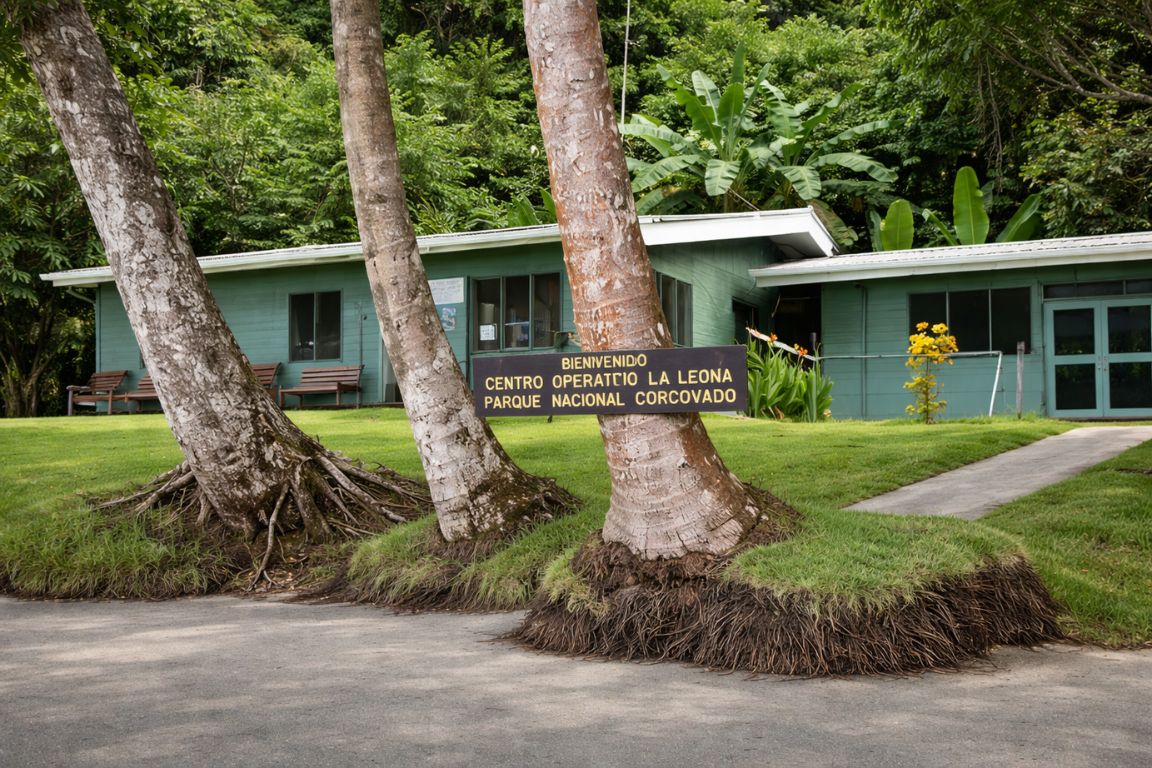 The La Leona to Sirena trail covers approximately 20 km from Carate to Sirena Station, with 16.5 km inside the park. It combines sections of deserted Pacific beach – some of it exposed and relentlessly hot in the sun – with stretches of coastal forest, multiple river crossings, and tide-dependent sections that must be timed correctly. It takes 7 to 9 hours for most hikers. The beach sections are the aspect most underestimated by travelers who have only read about the trail.
The trail starts 3.5 km from Carate, on the beach outside the park boundary. You enter at La Leona Station, register, and head west along the Pacific coast. The first few kilometers feel adventurous and beautiful – you’re on a completely wild beach, forest on one side, ocean on the other, scarlet macaws overhead. Then the sand starts.
The beach sections of this trail are what make it genuinely hard. Walking several kilometers on soft, yielding sand while carrying a pack in tropical heat at 80-90% humidity is a specific kind of exhausting that trail statistics don’t capture. The sun exposure on the open beach sections is intense, and there is no shade. This is why the 5 AM start from Carate is not optional – it’s the difference between doing the beach miles in the comparative cool of early morning and doing them in the full heat of a tropical midday. Groups that start late pay for it with their legs by the final stretch.
The tide-critical section is a stretch called Sal Si Puedes, roughly translated as “get out if you can” – a section of beach flanked by rock formations that becomes completely impassable at high tide. Your guide plans the timing to hit this section when the tide is low enough to pass safely. This is a non-negotiable part of the logistics, not a flexibility. Miss the tidal window and you wait, sometimes for hours.
The forest sections offer relief in shade and consistent wildlife. Howler monkeys announce themselves in the canopy. Spider monkeys cross the trail overhead. Coatis forage the leaf litter. And unlike the Sirena local trails, this route has fewer people on it – in low season, you might not see another group for the entire hike.
Want to know what to look for? Our guide on the animals of Corcovado National Park covers which species live here, your actual odds of spotting them, and why guides make a massive difference in wildlife encounters.
The river crossing at the end, just before Sirena, is the one your guide handles most carefully: the Rio Claro carries small crocodiles and the Rio Sirena at its mouth has bull sharks at high tide. Standard protocol is to cross at the shallowest point upstream, shoes off, pack over your head, guide goes first. If you’re doing this hike for the first time, trust the protocol entirely.
Honest assessment: This trail is most rewarding as a one-way route – hike in, boat out, or vice versa. The travelers who do both directions report the return leg feeling significantly less magical, partly because the beach sections feel much longer the second time and partly because the wildlife sightings thin out after your presence has already disturbed the trail for the day.
What Does the Los Patos to Sirena Trail Offer That Others Don’t?
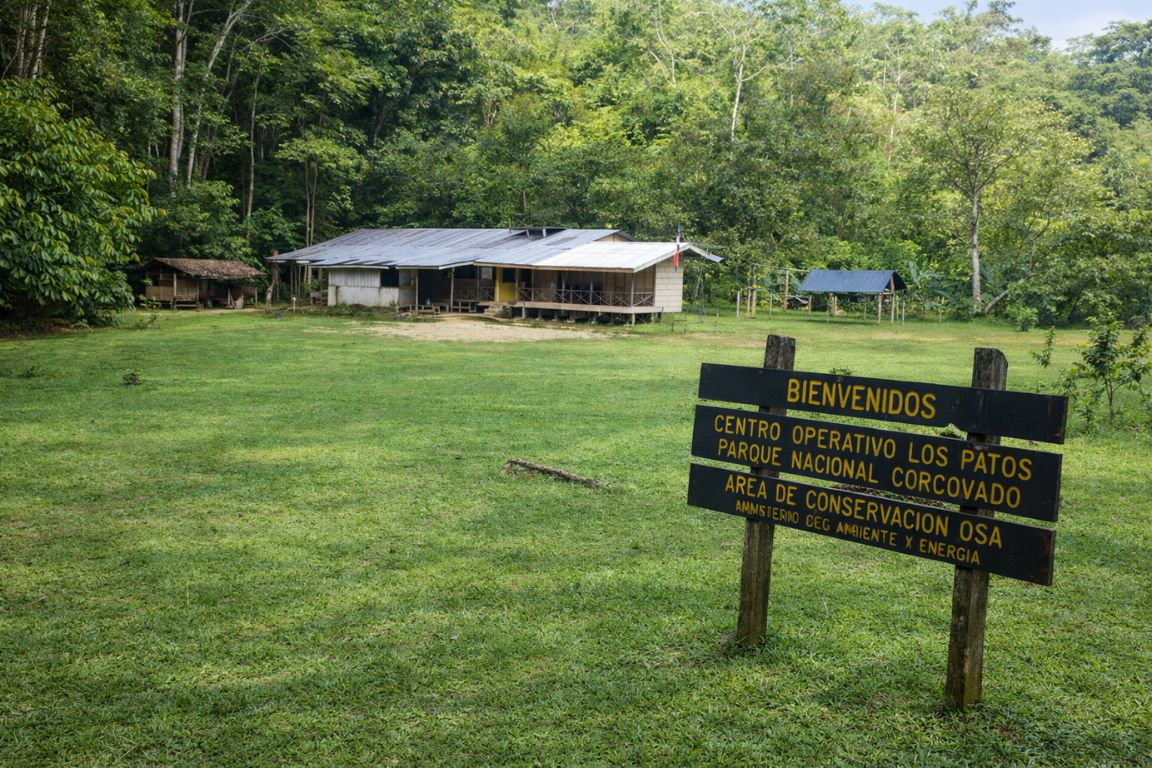 The Los Patos to Sirena trail is 20 km of primary jungle interior – no beach, no sun exposure, entirely under the canopy from start to finish. The first 5 km involve steep ridges and significant climbs, followed by roughly 15 km of relatively flat primary and secondary forest. It’s the only trail in Corcovado that takes you through both highland and lowland ecosystems in a single day. The payoff is an immersion in the park’s interior that the coastal routes simply don’t provide. It’s also the hardest inter-station trail, and dry season only.
The Los Patos trail starts in La Palma, where a taxi from Puerto Jiménez drops you at the trailhead. You walk through the community of Guadalupe, crossing the Rincón River repeatedly – 20 or more crossings by some accounts – before reaching the Los Patos ranger station, about 45 minutes inside the park boundary. Then the trail proper begins.
The first 5 km after Los Patos station are the ones that test hikers. The trail climbs and descends through steep forest ridges, gaining and losing elevation in ways that tire your legs unevenly. There’s a natural swimming pool near a waterfall on this section that most guides stop at for a genuine break – cold water in a jungle pool after steep climbing is one of those Corcovado moments that nobody adequately describes in writing.
After the first demanding section, the trail flattens out considerably through 15 km of primary and secondary forest toward Sirena. This is where the Los Patos trail earns its distinction: you are moving through the biological heart of the park, away from the coast and away from the majority of visitors, in forest that sees a fraction of the foot traffic of the La Leona route. Wildlife encounters on this trail have a different quality – animals that are less accustomed to human presence behave more naturally and more alertly, which makes the experience feel more genuinely wild.
The trail is green season impossible for most practical purposes. Mud on the hilly sections becomes dangerous, river levels on the multiple Rincón crossings rise to chest height or higher, and some operators stop running it entirely between May and November. Even in late dry season, transitional conditions in April and early May can make this trail significantly harder than the December or January version. Book it for January through March for the best combination of conditions and wildlife.
The classic multi-day itinerary that our guides recommend for experienced hikers is Los Patos in, two nights at Sirena, La Leona out – entering through the jungle interior, exploring the Sirena network, and exiting along the coast. You can check the 3-day jungle trek if you want a multi-day hike booked as one itinerary. It combines the best of both approaches and crosses the park in a satisfying diagonal rather than simply reversing your route.
The verified boat-in Sirena stays do not include the Los Patos-to-Sirena traverse. A Los Patos day listing was also checked, but it does not establish the full route. Confirm the entry, exit and station nights with a specialist before committing.
What Is the San Pedrillo Trail Experience Like?
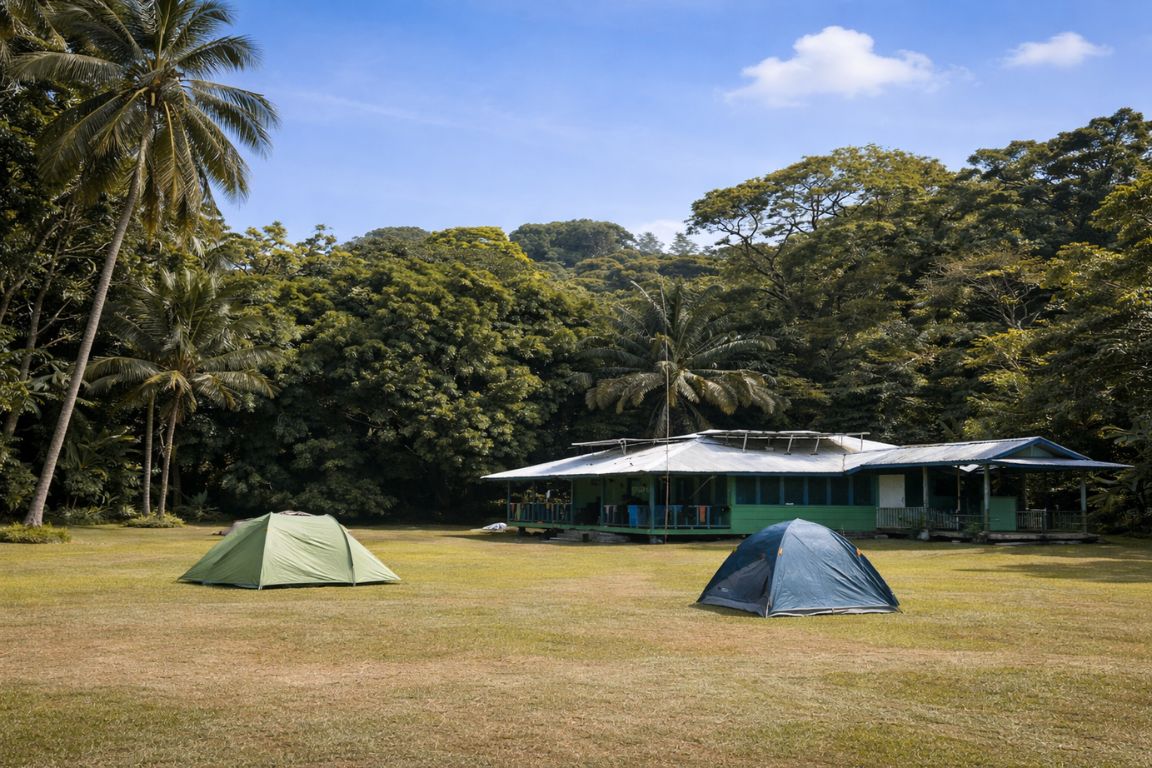 San Pedrillo Station, in the park’s northern corner, is the easiest sector to reach from Drake Bay – roughly 20 to 30 minutes by boat. The trail network here is more modest than Sirena, with two main options: the short Catarata-San Pedrillo trail (1.5 km) leading to a waterfall, and the longer Llorona trail (7 km) leading to La Llorona, one of only two waterfalls in Costa Rica that drops directly into the ocean. Wildlife density is lower than Sirena, but the coastal scenery and accessibility make this the natural choice for Drake Bay day trippers.
San Pedrillo has a character distinct from the rest of the park. The scenery here is spectacular in a way that’s primarily visual rather than wildlife-driven – the coastline is dramatic, the forest meets the Pacific in a series of rocky coves and black sand beaches, and the La Llorona waterfall is one of those sights that appears on Costa Rica screensavers for good reason. A waterfall dropping into the ocean, surrounded by primary rainforest, with pelicans flying past and scarlet macaws in the trees above – it’s a genuinely beautiful place.
The wildlife picture is honest: you’ll see birds, howler monkeys, possibly some coastal animals, and the scarlet macaws that are visible throughout the Osa Peninsula. Tapirs, big cats, and peccary herds are less reliably encountered here than at Sirena, because the San Pedrillo sector doesn’t have the same interior depth or the concentrated wildlife zones around the river systems near Sirena Station.
For Drake Bay visitors who aren’t doing an overnight stay, San Pedrillo is the right choice. The boat is short, the trails are appropriate for almost any fitness level, and the waterfall hike to La Llorona is legitimately memorable. For anyone specifically targeting mammals or maximum wildlife density, Sirena should take priority even if the boat ride is longer.
One note worth sharing from our operational experience: some Drake Bay lodges push San Pedrillo as an equivalent alternative to Sirena because it’s operationally simpler for them – shorter boat, easier logistics. The two sectors are not equivalent for wildlife. If you have one shot at the park, take the extra 25 minutes of boat ride to Sirena.
If you’re torn between Osa Peninsula towns, here’s our honest comparison of Drake Bay vs Puerto Jiménez based on accessibility, accommodation costs, and which ranger stations each serves best.
What Is the El Tigre Trail and Is It Worth It?
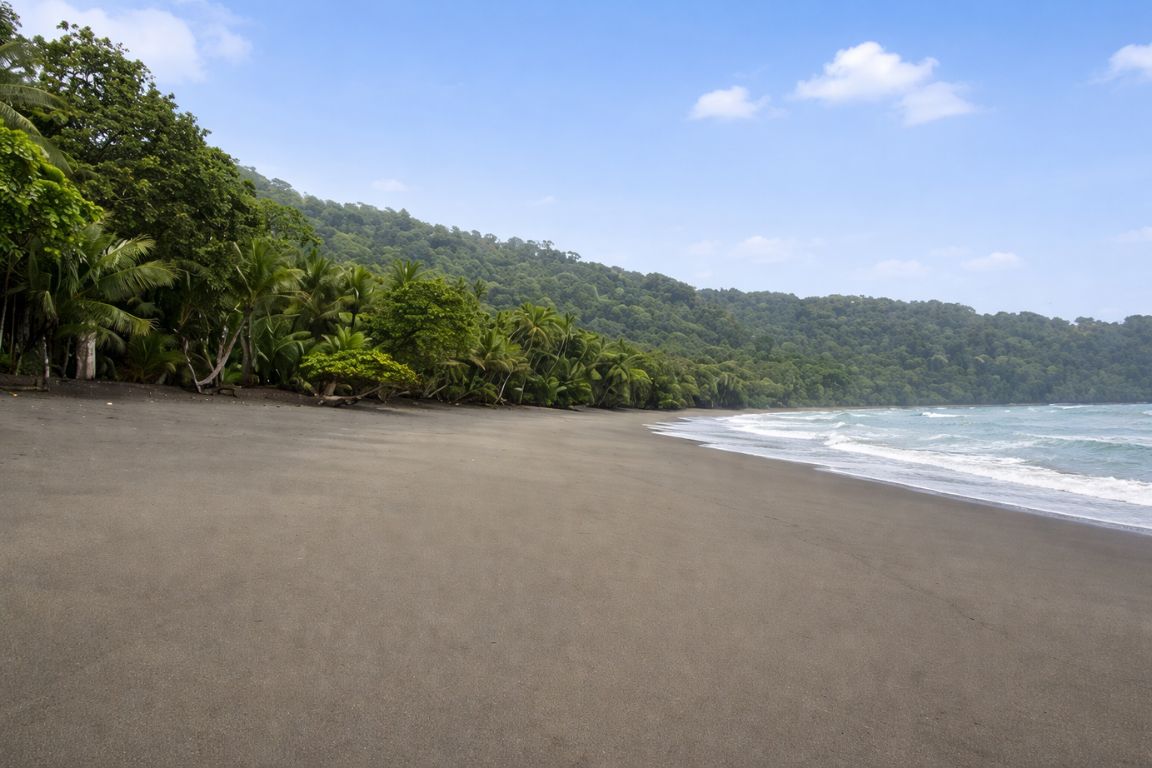 El Tigre is the newest and most accessible entry point to Corcovado, a 7 to 8 km loop trail starting at the community of Dos Brazos de Río Tigre, about 25 minutes from Puerto Jiménez by road. It enters the park for approximately 2.5 km of the total route. The trail climbs steeply at the start – locals call the first section “Rompe Pechos” (chest-breaker) – then rewards the climb with a lookout over the Golfo Dulce and primary forest hiking. It is not a Sirena substitute for wildlife, but it is the best option for Puerto Jiménez day trippers who want genuine park access without a boat or major logistical commitment.
El Tigre is the trail most Costa Rica travel content ignores and most Puerto Jiménez visitors discover by accident – usually when they find out the Sirena permits are sold out, or when they simply don’t have time for a full-day boat tour. That’s a shame, because the trail has a specific character worth appreciating on its own terms.
The Dos Brazos community has a history worth knowing. This was a gold-mining town with over 2,000 residents at its peak in the 1970s and 80s, sustained by miners working the Tigre River. As gold yields declined, many residents turned to hunting, some of it crossing into the park. The community pivoted deliberately toward conservation-based ecotourism, forming the ACODOBRARTI association and successfully advocating for the El Tigre trail opening to give visitors an accessible entry point. The guides here are overwhelmingly former miners and their families, with generational knowledge of this part of the forest. The gold-panning tours they offer alongside the trail hike are genuinely interesting, not tourist-kitsch.
The trail itself climbs sharply from the town’s community center – the “Rompe Pechos” section earns its name, with a steep ascent that opens into primary forest and eventually a lookout point with sweeping views of the Golfo Dulce. The forest is quiet, often solitary (visitor numbers here are a fraction of Sirena’s), and excellent for birds. Multiple review sources note exceptional birding on El Tigre, including manakins, toucans, and various forest interior species. Mammals are present – monkeys, coatis, anteaters but tapirs are less reliably encountered here than near Sirena.
What El Tigre is not: a substitute for the Sirena experience. If you have the time and logistics to reach Sirena, do it. El Tigre shines as the right answer when you have one day based in Puerto Jiménez, no boat arranged, or when Sirena permits are unavailable. It’s also the right answer if you specifically want to support a remarkable community-driven conservation story.
No El Tigre itinerary has been verified in this booking shortlist. Sirena and La Leona tours do not visit Dos Brazos or replace its community trail. Keep El Tigre as a separate route arrangement.
What Are the Best Trails for Day Trippers vs. Multi-Day Hikers?
Day trippers have three strong options: Sirena by boat (best wildlife, flattest trails, suits all fitness levels), San Pedrillo by boat (best scenery, shorter boat ride from Drake Bay), or El Tigre on foot from Dos Brazos (best for Puerto Jiménez day visitors, no boat required). Multi-day hikers who want the full Corcovado experience should combine the La Leona coastal route with the Sirena local network and, for the most capable, add Los Patos as entry or exit. The full traverse from La Palma to Carate is for experienced backcountry hikers only.
| Day tripper from Drake Bay | Sirena local network (boat in) | Maximum wildlife, flat trails, 4 hours in the best zone | Dawn and dusk windows. The full trail-to-trail experience. |
| Day tripper who prefers San Pedrillo | Catarata-San Pedrillo + Llorona trail | Shorter boat, beautiful waterfall, good for families | Lower mammal density than Sirena. No tapir beach walks. |
| Day tripper from Puerto Jiménez | El Tigre trail (Dos Brazos) | No boat required, 25 min from town, real park access, supports community | No overnight. No Sirena wildlife density. Steep start. |
| Overnight hiker (1 night at Sirena) | Boat in, Sirena trails, boat out | Dawn and dusk wildlife windows without major hiking burden | The inter-station trail experience. The beach coastal route. |
| Multi-day hiker (2 nights at Sirena) | La Leona in → Sirena network → boat out, OR boat in → Sirena network → La Leona out | Best combination of coastal trail experience + Sirena wildlife time | The Los Patos interior jungle experience. |
| Multi-day serious hiker (3+ nights) | Los Patos in → 2+ nights at Sirena → La Leona out (or reverse) | Complete park traverse — jungle interior + wildlife zone + coastal exit. The best Corcovado exists. | Nothing significant. This is the full experience. |
| Birdwatcher (any duration) | Sirena Sendero Ollas + El Tigre as a supplement | Ollas has best canopy access. El Tigre excels for forest interior birds and endemics. | Depends on target species – ask your guide specifically. |
How Difficult Are Corcovado’s Trails and How Fit Do You Need to Be?
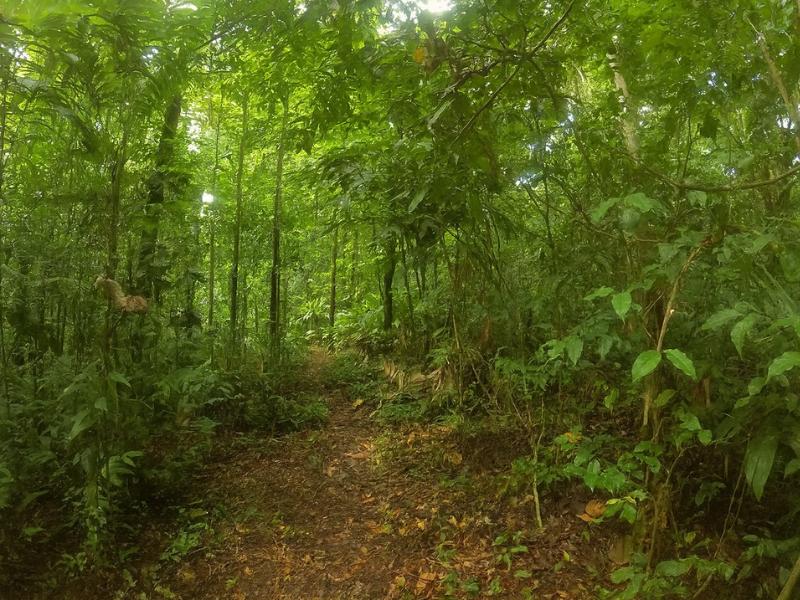
The Sirena local trails require no particular fitness level – they’re flat, short, and suitable for most adults. The La Leona coastal trail requires moderate-to-good fitness, with the beach sections being the most demanding element rather than elevation. Los Patos is genuinely hard, requiring good fitness and experience with long jungle hikes. The full traverse is for experienced backcountry hikers only. Heat and humidity elevate the difficulty of every trail beyond what the terrain alone suggests.
The single most common miscalculation we see from travelers is equating gym fitness with Corcovado trail fitness. Both matter, but differently. Someone who runs marathons but has never hiked in tropical heat may find the La Leona beach sections more debilitating than an experienced backpacker of modest running fitness who knows how to pace themselves in humidity.
The specific factors that make Corcovado harder than the statistics suggest:
Heat and humidity. Daytime temperatures of 28 to 31°C feel significantly hotter at 85-90% humidity. Your body’s cooling mechanism – sweating – stops working effectively when the air is already saturated. Dehydration and heat exhaustion are real risks on the inter-station routes, particularly the La Leona beach sections under direct sun. Plan for 3 to 3.5 litres of water per person for any full-day route. Potable water is available at each ranger station for refills.
Soft sand. Walking kilometers on soft beach sand with a pack is approximately 40% more energy-intensive than walking the same distance on a firm surface. This is not negotiable on the La Leona coastal route. Hikers who have only trained on roads or gym equipment have no direct equivalent for this and tend to underestimate it badly.
River crossings. These require removing footwear, sometimes lifting packs overhead, and navigating moving water at knee to chest depth. In the dry season this is manageable. In the green season, swollen rivers add genuine physical difficulty and risk. Your guide manages this but be honest about your comfort level with river crossings before you go.
Early starts and long days. The 5 AM departure from Carate for the La Leona route isn’t optional. You need to be at La Leona by 7 to 8 AM to time the tidal sections correctly and complete the beach miles before the midday heat. People who struggle with early waking find that fatigue compounds with heat over a 9-hour day in ways that aren’t apparent at the planning stage.
| Sirena local trails | Minimal. Can walk 5-10 km comfortably. | Heat and humidity. Insects. | Almost all adult fitness levels. Older visitors. Families with older children. |
| San Pedrillo trails | Low-moderate. Can hike 7 km in heat. | Heat. Rocky coastal sections on Llorona trail. | Most visitors. Some families. |
| El Tigre trail | Moderate. Can handle steep climbing for 2 km. | Steep initial climb (“Rompe Pechos”). Heat. | Most visitors comfortable with hills. |
| La Leona to Sirena | Good fitness. Can hike 20 km including beach sections. | Beach walking in heat. Tidal timing. River crossings. Very long day. | Fit hikers with tropical experience or strong determination. Not beginners. |
| Los Patos to Sirena | Strong fitness. Jungle hiking experience preferred. | Steep hills for first 5 km. 20+ river crossings to/from La Palma. Deep mud in transition seasons. Long day. | Experienced hikers. Dry season only. Not for casual travelers. |
| Full traverse (3+ days) | Excellent fitness. Backcountry experience essential. | All of the above, compounded over multiple days. Weight management. Sustained heat. | Experienced backcountry hikers only. Honest self-assessment required. |
Which Trails Our Travelers Choose: Data from 7,300+ Corcovado Visitors
After guiding more than 7,300 travelers through Corcovado since 2015, we track trail selection, satisfaction, and the most common things travelers wish they’d done differently.
| Most chosen trail combination (overnight clients) | Boat in to Sirena + Sirena local network + boat out (~58% of overnight clients) |
| Second most chosen (overnight clients) | La Leona in + Sirena network + boat out (~24% of overnight clients) |
| Most common regret among La Leona hikers | Starting too late from Carate – caught the beach in full midday heat |
| Most common regret among day trippers | Didn’t stay overnight – had to leave Sirena when the wildlife was just becoming active |
| Satisfaction rate: Sirena local trails | ~97% rated their trail experience as excellent or outstanding |
| Satisfaction rate: La Leona coastal trail | ~84% rated it outstanding but ~31% said it was harder than expected |
| % of clients who said the Sirena trail network was better than they expected | ~79% – most had assumed the “local trails” would be lesser experiences than the inter-station routes |
| Trail most described as a highlight of the entire trip | Sendero Río Claro at dawn – tapir beach walk at first light |
Data from post-trip surveys and guide field notes, 2019-2025 client cohort.
Frequently Asked Questions
Do you need a guide on every Corcovado trail?
Yes. A certified guide is legally required on all trails in all sectors of Corcovado National Park. This applies to the Sirena local trails, the inter-station routes, El Tigre, San Pedrillo, and every other trail within the park. There are no self-guided options anywhere in the park.
Which Corcovado trail has the best wildlife?
The Sirena local trail network, particularly the Sendero Río Claro and Sendero Ollas, consistently produces the highest wildlife encounter rates. Sirena has the highest concentration of mammals in the park. The La Leona and Los Patos routes offer excellent wildlife in transit, but the density of encounters per hour of hiking is highest around Sirena Station.
How early do you need to start the La Leona to Sirena hike?
The standard departure from Carate is 5 AM to 5:30 AM. This timing is designed to clear the critical beach sections before full sun, and to time the tidal crossings at La Leona and along the coastal route correctly. Later starts are not recommended and your guide will enforce this for good reason.
Can you do the Los Patos trail in the rainy season?
Officially the trail remains open, but most operators suspend it between approximately May and November due to dangerous river levels and extreme mud on the hill sections. Some sources describe guides considering stopping use of the trail entirely due to rainy season conditions. If you’re planning this route, book for January through March for the most reliable conditions.
Is El Tigre worth doing if Sirena is available?
They serve different purposes. El Tigre is the right choice when you have one day from Puerto Jiménez, no boat arranged, or want to support the Dos Brazos community. If you have the logistics and permits for Sirena, Sirena offers significantly better wildlife density. El Tigre is excellent for birds and primary forest immersion, but tapir encounters and big cat probability are lower than at Sirena.
How many days do you need to do the full Corcovado traverse?
A minimum of three days (two nights at Sirena) plus transit days. Most operators recommend four to five days to do it properly, with two nights at Sirena for the wildlife window access. The maximum permitted stay inside the park is 5 days and 4 nights total.
Written by Mateo Alejandro Rivera
Costa Rican tour guide since 2015 · Founder, Corcovado National Park Tours
Mateo has guided over 7,300 travelers through Corcovado National Park and the Osa Peninsula since founding the agency.
Your Corcovado Next Step
Choose Your Date Before Planning The Rest
One Night At Sirena From Drake Bay. Boat transfers, guided morning and afternoon walks, Sirena lodging, park fees and four meals. Check your travel date before arranging your remaining accommodation and transport.
2 days / 1 night · Meet at Rancho Corcovado Lodge at 5:50 am; briefing the day before recommended. Shared station accommodation; moderate fitness. Tips extra. Non-refundable.
Choose a date to see scheduled departures. Availability and final price are confirmed on Viator.
Initial editorial recommendation. Change the trip choices below to find a route that fits; the operator confirms suitability and availability.
Compare Routes And Adjust Your Trip
Sirena Day Trip From Drake Bay · 7–8 hours. Boat to Sirena, guided trails, park fees and lunch. Meet at Rancho Corcovado Lodge; returns to Drake Bay. Lunch location can vary; confirm with Pacheco. Not wheelchair accessible. Non-refundable.
Sirena Day Trip From Puerto Jiménez · 8 hours. Boat transport, guided Sirena trails, park tickets and lunch. Puerto Jiménez pickup must be confirmed. Wet landing; not recommended for pregnancy, spinal injuries or poor cardiovascular health. Age bands 51–69 are missing from the listing; ask the operator.
La Leona Coastal Day Hike · 10 hours. Guided coastal hiking from Carate through the La Leona sector, park admission and optical equipment. Starts and ends in Puerto Jiménez; confirm pickup. At least 10 km walking. Meals and drinking water excluded; confirm transport charges. Moderate fitness.
Compare Your Own Total Quotes
Enter two complete quotes in the same currency, including transport, meals and accommodation for the same party. A difference is not a saving unless the inclusions are comparable.
Add both totals and your party size to compare.