Where to Stay Near Corcovado
Drake Bay or Puerto Jiménez? Discover which Corcovado base fits your trip, where to stay inside the park (Sirena Station), and why you must book accommodation months before your flights.
Last updated: May 4, 2026
The two main bases for Corcovado are Drake Bay (northern Osa Peninsula, boat-in only, more eco-lodges, closer to San Pedrillo) and Puerto Jiménez (southern gateway, accessible by road, better budget options, closer to La Leona trailhead). Drake Bay suits travelers who want maximum immersion and fewer logistics to manage. Puerto Jiménez suits those who want a real town, more flexibility, and direct overland access. The only place to sleep inside the park itself is Sirena Station – basic dorm bunks, surprisingly good food, 80 overnight spots that fill months ahead in high season. Book accommodation before you book flights. The better lodges near Drake Bay sell out 6+ months ahead in peak season.
Wondering about sleeping inside the park? Explore the Sirena station overnight, then compare departures from your chosen base after the lodging guide. Explore One Night At Sirena From Drake Bay
| Drake Bay | Boat from Sierpe or small plane from San José | Eco-lodge immersion. San Pedrillo and Sirena access. Couples, nature travelers. | $100-$500+/night (all-inclusive) | 4-6 months (peak season) |
| Puerto Jiménez | Road (8 hrs from San José) or small plane (~1 hr) | Budget to mid-range. Real town. La Leona access. Backpackers and independent travelers. | $30-$300/night | 2-4 weeks (peak season) |
| Sirena Station (inside park) | Boat from Drake Bay or Puerto Jiménez. Or on foot via La Leona or Los Patos trails. | Maximum wildlife. Overnight only. Serious wildlife travelers. | ~$30/night bunk + $70 meals/day | 3-6 months (peak season) |
| Carate / Cabo Matapalo | Dirt road from Puerto Jiménez (1.5 hrs, 4WD essential) | Closest to La Leona entrance. Remote, wild. Fewer options. | $40-$200/night | 1-3 months |
Prices verified March 2026. All Drake Bay lodge rates typically include all meals due to remote location.
Where Should You Base Yourself for a Corcovado Trip?
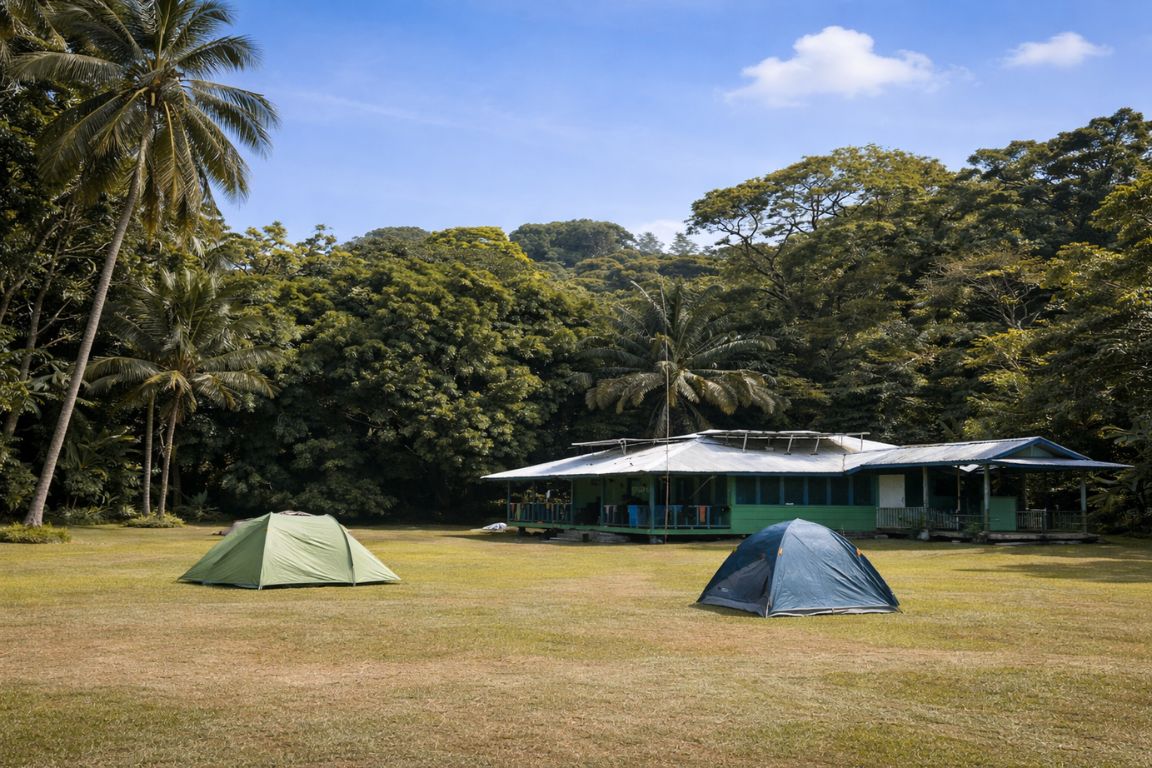 Drake Bay and Puerto Jiménez are fundamentally different experiences, not just different towns. Drake Bay is a remote eco-lodge destination, accessible only by boat or small plane, with no real town infrastructure – your lodge handles everything. Puerto Jiménez is an actual Tico town with restaurants, markets, and budget guesthouses, connected to the rest of Costa Rica by road. The right choice depends on your budget, the park sectors you’re visiting, and how much infrastructure you want around you.
Travelers who haven’t been to this part of Costa Rica before often assume Drake Bay and Puerto Jiménez are interchangeable gateways to the same experience. They’re not. The decision between them shapes the entire character of a Corcovado trip, not just the accommodation.
Drake Bay sits on the northern edge of the Osa Peninsula, accessible only by a 1.5-hour boat ride up the Sierpe River and along the Pacific coast, or a short domestic flight. There is no road in. What you get instead is a cluster of eco-lodges carved into the hillsides and jungle above the bay – most of them all-inclusive, most of them genuinely beautiful, all of them remote. The wildlife starts before you reach the park. Scarlet macaws fly over the bay. Humpback whales surface offshore in season. The forest presses in from every direction.
Curious about what you’ll actually spot? I’ve broken down the animals of Corcovado National Park so you know which species are common sightings versus which ones require serious luck in this incredibly biodiverse jungle.
Puerto Jiménez sits on the southern side of the Osa Peninsula, facing the Golfo Dulce. You can drive here, which already tells you something. It has actual streets, a supermarket, sodas, a handful of restaurants, and a working-town energy that Drake Bay simply doesn’t have. It attracts more backpackers, more independent travelers, more people who want to arrange their own trip rather than have a lodge handle it. The accommodation is more varied and significantly cheaper at the lower end.
One more factor that doesn’t appear in most guides: the two bases serve different park sectors most efficiently. If you’re heading to San Pedrillo or arriving at Sirena by boat, Drake Bay is the natural starting point. If you’re doing the La Leona coastal hike, accessing Los Patos, or want to organize a boat to Sirena yourself, Puerto Jiménez is the more practical base. More on that in the final section below.
Need help with logistics? Check out our breakdown on how to visit Corcovado National Park tours – from mandatory guide rules to navigating boat and plane access to this incredibly remote wilderness.
What Are the Best Lodges and Eco-Resorts Near Drake Bay?
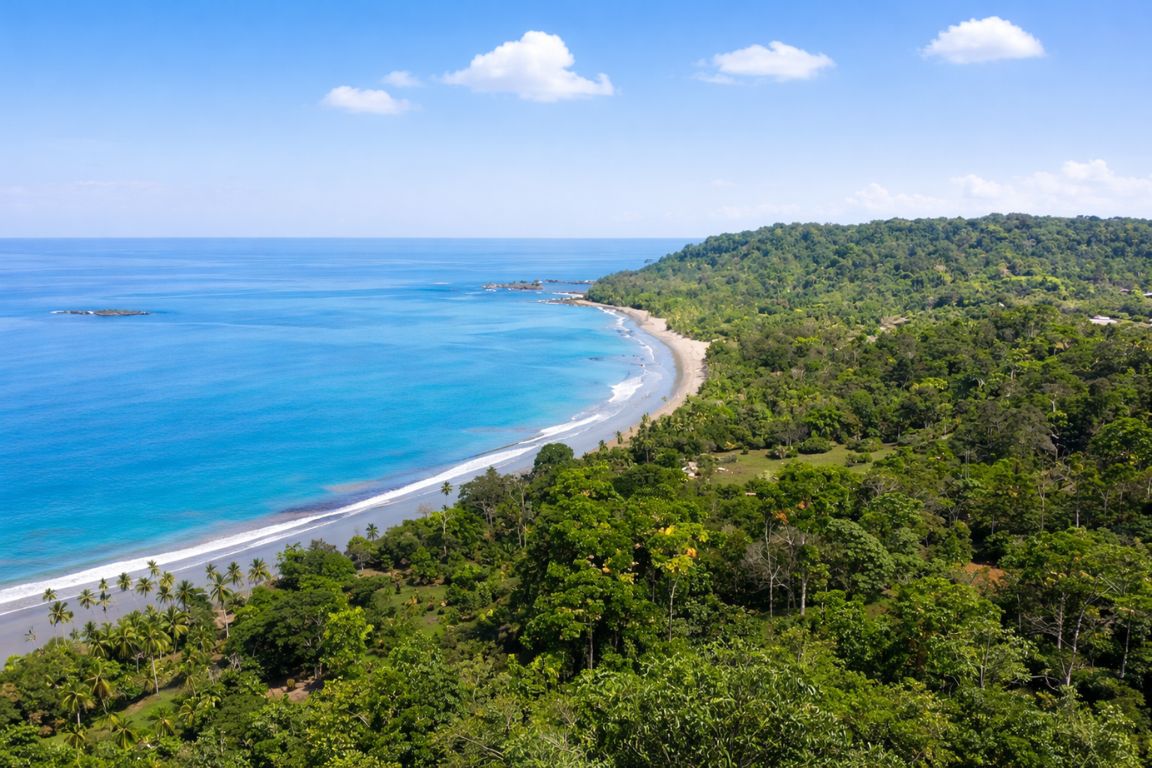 Drake Bay has no large hotels. Every property is an eco-lodge, ranging from rustic jungle cabins to genuinely luxurious all-inclusive retreats. Most include all meals – a practical necessity given the remoteness, and most organize Corcovado park tours directly. The standout properties for different budgets and priorities are listed below, all verified from our direct knowledge of the area and traveler feedback from our 7,300+ guided clients.
Something worth knowing before you scan lodge options: most Drake Bay properties don’t have air conditioning. Copa de Arbol is one of the few exceptions. The remoteness and natural airflow mean this isn’t the hardship it sounds like during drier months, but in the peak heat of February and March, it’s worth factoring in. Also, every lodging here is all-inclusive or near-all-inclusive because there simply aren’t enough independent restaurants nearby to rely on. Budget your daily food cost as part of your lodge rate, not on top of it.
| Aguila de Osa | Luxury | Couples, serious wildlife travelers | $350-$600+/person | Elevated rainforest and bay views. Excellent dining. Strong guide team. Direct Corcovado access. |
| Copa de Arbol | Luxury / All-Inclusive | Beach and jungle combo. Privacy seekers. | $400-$700+/person | Only lodge with private beach access. One of few with A/C. Boat-in only from Drake Bay. 25+ years owner-operated. |
| Corcovado Wilderness Lodge | Luxury | Wildlife photographers. Extended stays. | $350-$550+/person | 189-acre private reserve bordering the park. Treehouse villas. Fully off-grid solar powered. Wildlife trails on property. |
| La Paloma Lodge | Mid-Luxury | Panoramic views. Families. First-time visitors. | $250-$450+/person | Hilltop position with Pacific and Corcovado views. Pools. Strong reputation for guiding program. |
| Drake Bay Getaway Resort | Boutique / Mid-Luxury | Couples. Romantic stays. Honeymoons. | $200-$400+/person | Five elegant ocean-view cabins. Farm-to-table restaurant. Walking distance to beach and town center. |
| The Tranquilo Lodge | Boutique / Adults-Only | Adults seeking quiet. No-children policy. | $200-$350+/person | Two pools. Boutique atmosphere. All-inclusive. Strong eco-credentials. |
| Rancho Corcovado | Budget / Eco-Lodge | Budget travelers. Backpackers. Solo travelers. | $60-$120/person | Affordable rustic cabins. Pool. Communal kitchen. Good base for self-arranged tours. |
Prices verified March 2026. All rates approximate and vary by season, room type, and availability. Peak season surcharges apply December-April.
One distinction that matters when choosing a Drake Bay lodge: properties that have their own guides and in-house permit coordination tend to run smoother Corcovado experiences than properties that outsource to third-party operators. Ask directly when booking whether guides and park permits are handled in-house or referred out. The answer changes the consistency of the experience considerably.
Three to four nights is the sweet spot for Drake Bay. That gives you enough time for a full Corcovado day or overnight, a Caño Island snorkeling trip, and at least one day to simply be in the place – which has its own wildlife rewards even without entering the park.
What Are the Best Places to Stay in Puerto Jiménez?
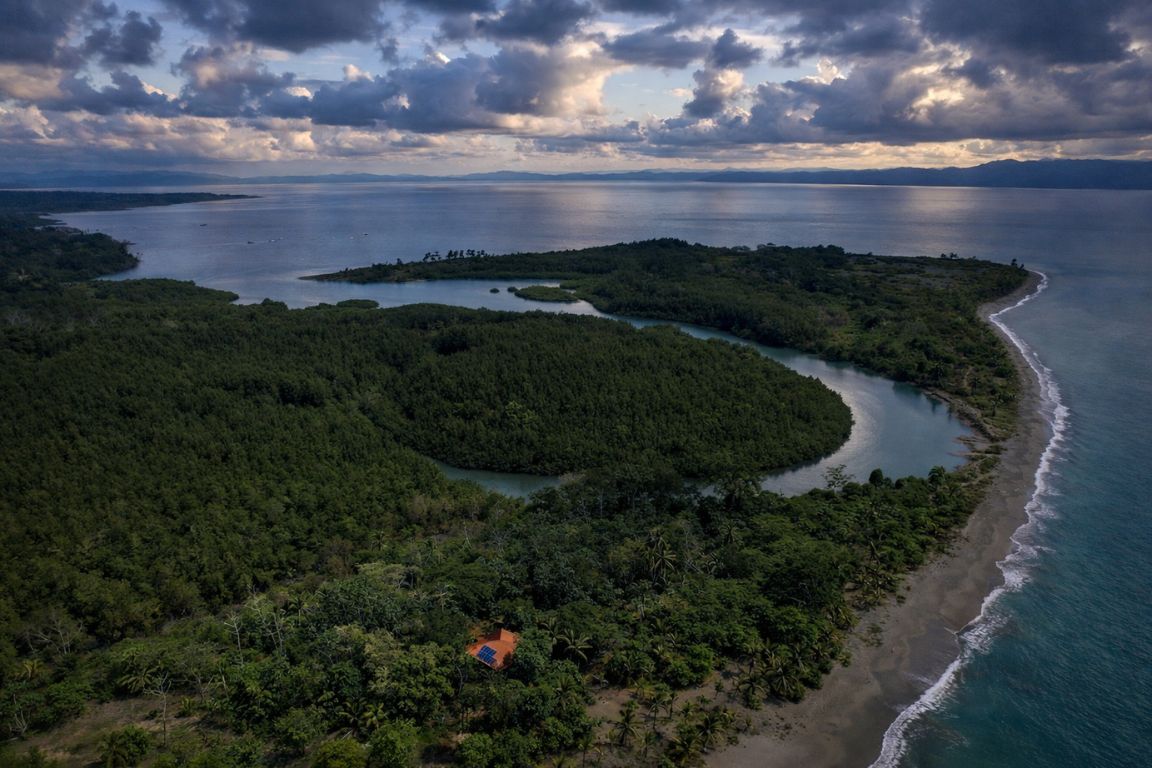 Puerto Jiménez is the more affordable and flexible base, with options ranging from $15/night hostel dorms to mid-range eco-lodges just outside town. The town itself is small and functional rather than picturesque – the better nature stays are 10 to 30 minutes outside the town center, toward Carate or up into the forest. For travelers doing the La Leona hike or wanting to self-organize their trip, Puerto Jiménez is the right choice.
The town has an honest, rough-around-the-edges character that some travelers love and others find underwhelming after the lushness of Drake Bay. What it offers in return is practical infrastructure: a SINAC office where you can verify permits, a supermarket, restaurants, an airport with daily domestic flights from San José, and a network of local guides and tour operators you can arrange directly. The Golfo Dulce views from town are genuinely beautiful, and scarlet macaws are visible in the trees right on the main streets.
| Luna Lodge | Remote Eco-Lodge (near La Leona) | Nature immersion. Remote rainforest feel. | $200-$400/person (all-inclusive) | Bungalows, tents, and haciendas deep in Osa. Own trail system. Excellent for wildlife pre/post park. |
| Danta Corcovado Lodge | Remote Eco-Lodge | Eco-conscious travelers. Small groups. | $150-$300/person | Artistically designed bungalows in remote jungle. Locally sourced restaurant. Night tours available nearby. |
| Cabinas Jiménez | Mid-Range Town Stay | Convenient base. Golfo Dulce waterfront. | $80-$150/room | Long-running family operation. Waterfront location. Kayaks and bikes available. Tour organization on site. |
| Corcovado Beach Lodge | Mid-Range / Hostel | Backpackers. Solo travelers. Pre/post park. | $30-$100/person | Waterfront setting. Allows car and bag storage for Corcovado hikers. Staff-run restaurant. |
| Bolita Rainforest Hostel | Budget Hostel (Dos Brazos) | Budget hikers. El Tigre sector access. | $14-$40/person | Jungle village setting near Dos Brazos. 14 km from town. Good for El Tigre trailhead access. |
| Albergue La Laguna | Budget Lodge (near La Leona) | Budget travelers who want park proximity. | from $20/night | 10-minute walk to La Leona entrance. Remote. Basic but functional. |
Prices verified March 2026. Prices for town-based properties are per room/person and do not typically include all meals.
One practical note that saves travelers hassle: if you’re doing an overnight at Sirena and coming from Puerto Jiménez, arrange with your accommodation to leave your main bag there while you hike or boat in. Most properties will hold luggage for guests spending the night before and after their park visit. Pack a single day pack for Sirena with just your essentials – sleeping kit, one change of clothes, camera, water bottle. You’ll be glad you didn’t bring more when you’re boarding the boat at 6 AM.
Can’t decide between gateway towns? I’ve compared Drake Bay vs Puerto Jiménez so you know which one suits your budget, travel style, and which part of Corcovado you want to access most easily.
Is It Worth Staying Inside Corcovado at Sirena Station?
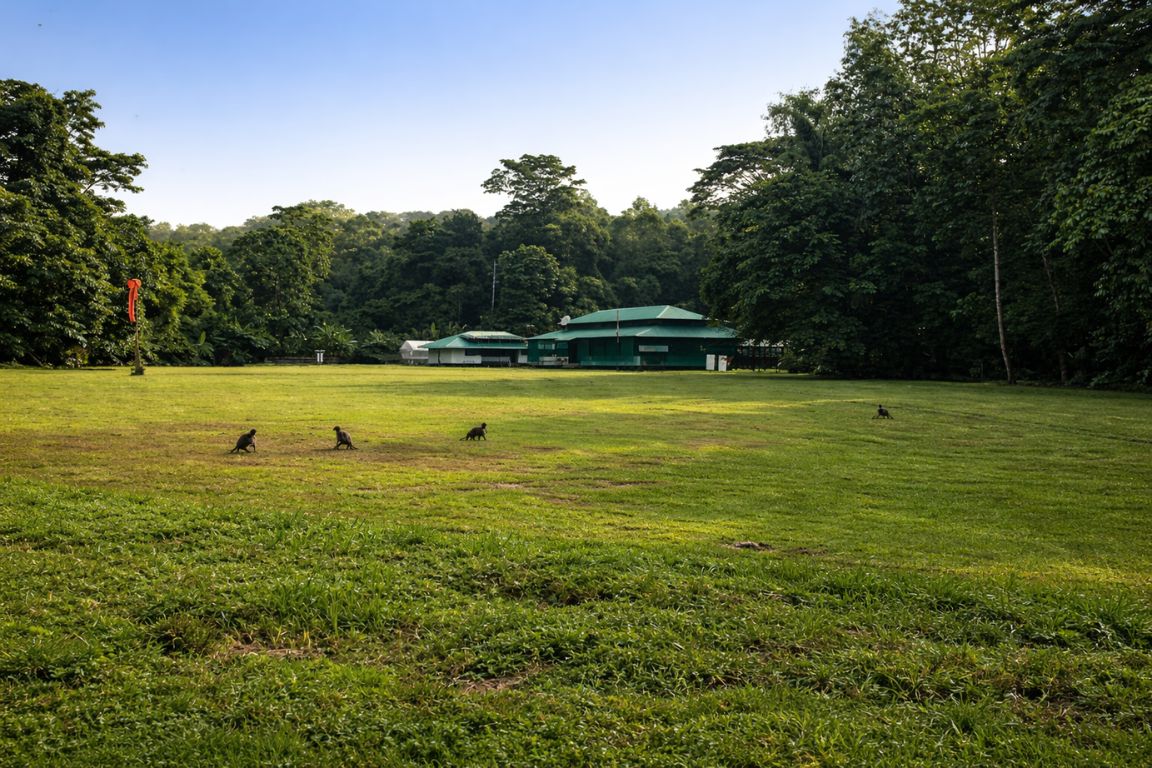 Yes, without qualification, if you can get a spot. Sirena Station is the only place to sleep inside Corcovado National Park. It offers basic dormitory bunks, shared cold showers, and unexpectedly good food cooked by a dedicated kitchen crew. The wildlife access it provides – dawn hikes before day visitors arrive, dusk hours when big cats move, evenings listening to the forest from the station porch – is fundamentally different from anything a day trip offers. The ceiling on what you can experience at Corcovado rises significantly the moment you spend a night there.
People read “basic dormitory bunks” and picture something grim. It isn’t. The dorms at Sirena are open-air, screened, and clean – consistently cleaned, according to years of traveler accounts and our own team’s experience. Each bunk has a fitted sheet, pillow, and mosquito net. The bathrooms are maintained with a thoroughness that surprises most visitors who expected rougher conditions. What it doesn’t have is air conditioning, fans, private rooms, reliable Wi-Fi, or any way to charge devices except shared communal outlets. Lights from the solar system go off at 8 PM. By that point, after a full day on the trails, most visitors are ready for sleep anyway.
The food is the detail that catches everyone off guard. Meals at Sirena are cooked from scratch by a kitchen crew working off-grid, with ingredients brought in by boat and tractor once a week. Breakfast is gallo pinto, eggs, plantain, cheese, fruit, and coffee. Lunch and dinner are full casado-style buffets – rice, beans, vegetables, salad, protein, dessert. For the middle of one of the most remote national parks in the Americas, the portions are enormous and the quality is genuinely good. Multiple travelers across thousands of reviews describe it as among the best food they ate during their entire Costa Rica trip.
The practical realities to plan around:
- Maximum 80 overnight visitors. This is a hard cap. High season dates fill months ahead. Book a Sirena overnight tour through an operator well in advance.
- No outside food permitted. Everything must be purchased at the station cafeteria. Budget approximately $20 for breakfast and $25 each for lunch and dinner. (Prices verified March 2026.)
- No private rooms. You’re sharing a dorm with whoever else is booked. Earplugs are consistently recommended – both for fellow travelers and for the rain, which falls on the metal roof with considerable volume.
- Lockers available for $4. Worth it for your camera, passport copy, and electronics.
- Leave your large bags behind. Most travelers store main luggage at their Drake Bay or Puerto Jiménez accommodation and arrive at Sirena with a single day pack.
- Night hiking inside the park is prohibited. The evening and early morning hikes happen at dusk and dawn, not in the dark. The forest sounds at night from the station are extraordinary, though – a full acoustic experience unlike any hotel.
If you’d rather have someone handle the permit filing, meal pre-registration, and logistics for your Sirena stay, our team at Corcovado National Park Tours has been doing exactly that since 2015.
Need the Sirena breakdown? Our Sirena Ranger Station guide walks you through access options, what accommodation actually means (hint: very basic), and why wildlife encounters here justify the effort and discomfort.
What Type of Accommodation Should You Choose Based on Your Budget?
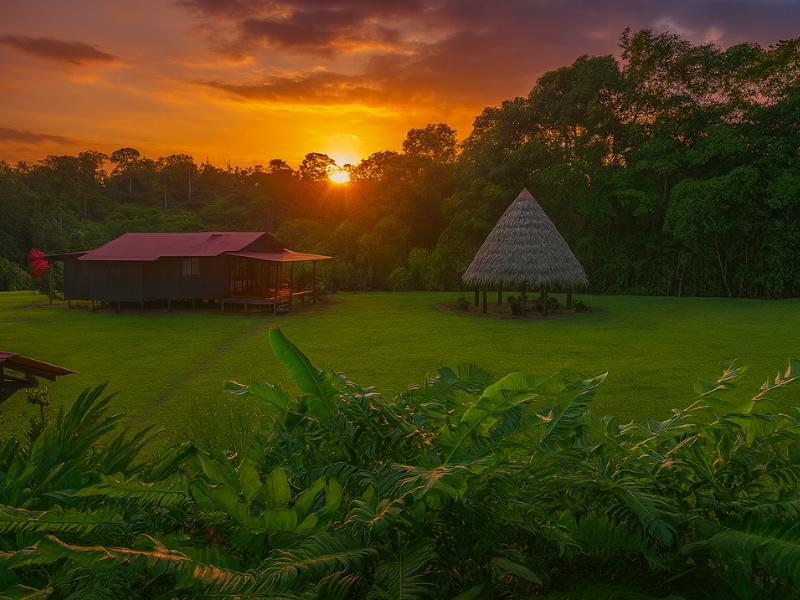
Budget travelers can visit Corcovado well for $60-$100/day all-in, using Puerto Jiménez hostels and self-arranged day tours. Mid-range travelers spending $150-$300/day get eco-lodge comfort, included meals, and in-house tour organization. Luxury travelers at $350-$700+/day per person get extraordinary all-inclusive wilderness experiences at properties like Copa de Arbol or Aguila de Osa where the wildlife access starts before you even reach the park gate.
Budget here works differently than most destinations. Because Drake Bay lodges bundle all meals, a $350/night rate often costs less than it appears when you factor in that food, guiding, and transfers are included. Comparing a $350 Drake Bay all-inclusive to a $150 Puerto Jiménez lodge requires accounting for what the Puerto Jiménez rate doesn’t include.
| Budget | $60-$100/day all-in | Puerto Jiménez | Hostels, budget cabinas | Dorm or simple private room. Self-arranged meals. Day trips to park self-organized through local operators. |
| Mid-Range | $150-$300/day all-in | Puerto Jiménez outskirts or Drake Bay budget lodges | Eco-lodge cabins, small inns | Private room, included meals at some properties, good guide access, comfortable base with nature immersion. |
| Upper Mid-Range | $250-$400/day all-in | Drake Bay | All-inclusive eco-lodges (La Paloma, Drake Bay Getaway) | All meals, in-house tour coordination, naturalist guides, good facilities. Sea views or forest views. Transport arranged. |
| Luxury | $400-$700+/day all-in | Drake Bay | Full luxury eco-resorts (Copa de Arbol, Aguila de Osa, Corcovado Wilderness Lodge) | Private villas or high-end cabins. Expert guides. Private or small-group tours. High-end dining. Kayaks, gear included. Wildlife on property before reaching park. |
Prices verified March 2026. All-in estimates include accommodation, meals where applicable, and basic tour/transfer costs. Park permit fees ($15-$18/day) are additional.
One honest note for budget travelers: the Corcovado experience scales meaningfully with guide quality, and guide quality tends to correlate with the tour operator you book through. The cheapest available option in Puerto Jiménez is not always the worst guide but vetting your guide’s certification and SINAC registration matters more here than in almost any other destination. The park is genuinely wild and the guide requirement is there for real reasons.
How Far in Advance Do You Need to Book Accommodation Near Corcovado?
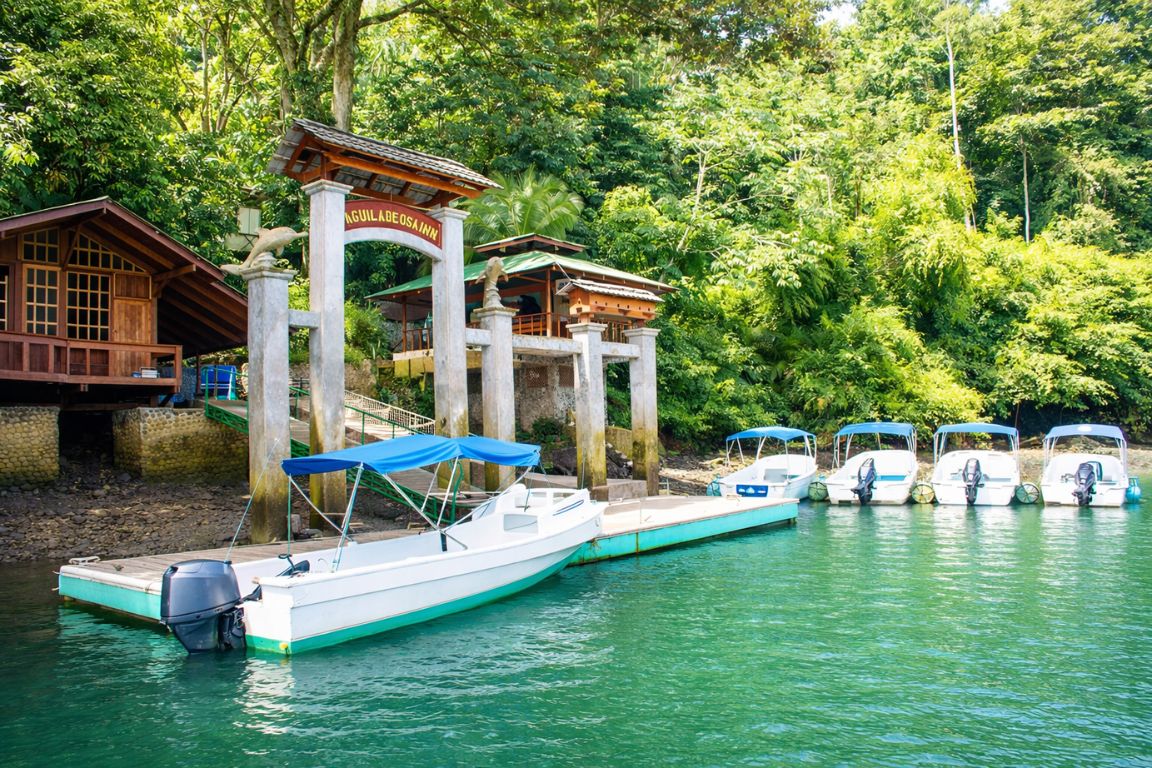 For Drake Bay lodges in peak season (December through April), book 4 to 6 months ahead. The best properties – Copa de Arbol, Aguila de Osa, Corcovado Wilderness Lodge – sell out completely for high season, some requiring 6+ months lead time. Puerto Jiménez accommodation is more flexible, with 2 to 4 weeks typically sufficient outside of holiday peaks. Sirena Station overnight permits are separate and require their own advance booking through SINAC or an approved operator.
This is the piece of planning most travelers underestimate. Drake Bay has a relatively small total number of lodge rooms available on the entire peninsula. The lodges are small – most have fewer than 15 rooms. When a property like Copa de Arbol is fully booked for January, it means every one of those rooms is taken. There is no waitlist, no overflow property down the road. The alternative is a completely different lodge, potentially a different tier or a different base entirely.
The holiday windows are the most critical. Christmas week and Semana Santa (Easter) book out furthest in advance and carry price surcharges on top of already elevated peak-season rates. Anyone planning a Corcovado trip over the holidays should treat accommodation booking as Step 1, before airline tickets, before deciding on tour type, before anything else.
Green season (May through November) is considerably more relaxed. Most Drake Bay properties have availability within 2 to 4 weeks notice, some at short notice. Puerto Jiménez accommodation can often be arranged 1 to 2 weeks out even in moderate season. The tradeoff for that flexibility is the October closure and the wetter conditions, both of which we cover in our seasonal guide.
What Should You Look for When Choosing a Lodge or Tour Operator?
The most important factors, in order: whether the property coordinates Corcovado permits and guides in-house (not outsourced), the certification level of their guides, whether their Sirena permit slots are pre-arranged for your dates, and the size of their tour groups. Properties that run their own small-group guided experiences consistently outperform those that hand guests off to third-party operators.
After guiding 7,300 travelers through Corcovado, the single pattern we see most clearly is this: the quality of the park experience depends on the guide more than any other variable, and the guide quality depends on how carefully the lodge or operator has selected and trained their team.
We’ve created a detailed Corcovado day tour guide because not everyone can commit to multi-day treks – but day tours still require early starts, certified guides, and serious hiking in jungle heat.
Here’s what actually matters when evaluating a property or operator:
- ICT-certified guides working in-house. Not referred. Not freelance. A lodge’s own team, trained on their specific trails and the active wildlife corridors around Sirena. Ask directly: “Are your Corcovado guides employees or do you refer to external operators?”
- Group sizes of 8 or fewer for day tours, 6 or fewer for overnights. This is the window where wildlife spotting improves dramatically. Larger groups move slower, make more noise, and reduce the likelihood of close animal encounters. Many quality operators cap overnight groups at 4 to 6 people.
- Pre-arranged Sirena permits. Ask whether your specific overnight dates already have confirmed SINAC permits or whether the operator will apply after you book. The difference matters – permit applications during SINAC office hours (8 AM to 12 PM and 1 PM to 2:30 PM Costa Rica time) can fill for popular dates quickly.
- Sustainability certification. Costa Rica’s CST (Certificación para la Sostenibilidad Turística) program rates properties on environmental impact, community involvement, and guest management. Properties with genuine high CST ratings tend to run better operations overall, not just eco-friendly ones.
- All-inclusive meal policies for Drake Bay. Confirm this explicitly. A property that quotes a per-night rate without meals in a location with no independent restaurants is going to cost meaningfully more than the headline rate.
Which Base Is Better for Getting to Each Park Sector?
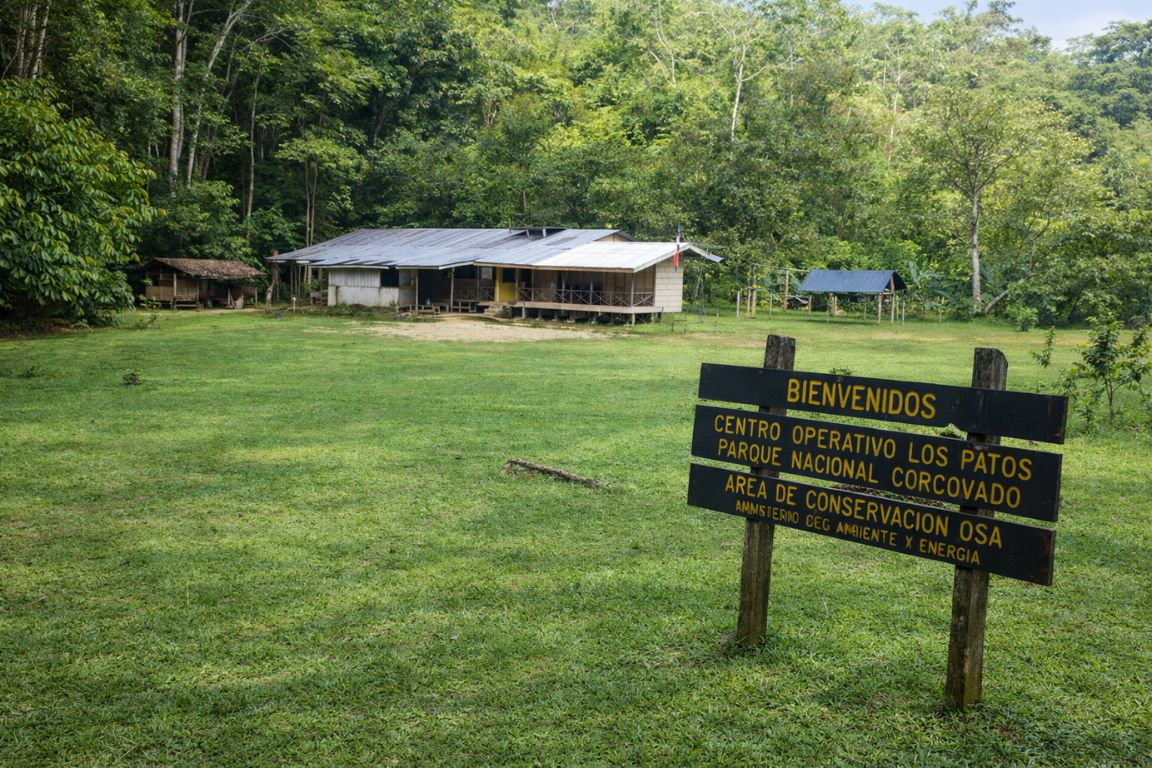 Drake Bay gives the most efficient access to San Pedrillo Station and boat access to Sirena (45 minutes). Puerto Jiménez is the natural base for the La Leona coastal trail and Los Patos, and also offers a boat route to Sirena (approximately 1.5 hours). Neither base reaches all sectors equally well – your sector choice should inform your base choice, not the other way around.
This is the practical question that most accommodation guides skip, and it’s the one that directly affects your logistics once you’re on the ground.
| Sirena Station | Either (Drake Bay is slightly closer) | Boat from Drake Bay or Puerto Jiménez. Or on foot via La Leona (20 km) or Los Patos. | ~45 min by boat (Drake Bay) / ~1.5 hrs (Puerto Jiménez) | Drake Bay boat is shorter but Pacific-exposed. Puerto Jiménez boat goes around Cabo Matapalo – longer but calmer water on the Golfo Dulce side. |
| San Pedrillo | Drake Bay | Boat from Drake Bay | ~20-30 min | No hiking access from Drake Bay. Boat only. Closest sector to Drake Bay lodges. |
| La Leona | Puerto Jiménez | Taxi or collectivo from Puerto Jiménez to Carate, then on foot | ~1.5 hrs to Carate by road + 10 min walk to entrance | Road to Carate requires 4WD and is rough. Many travelers take a collectivo taxi from Puerto Jiménez. La Leona Eco Lodge at the trailhead allows car storage. |
| Los Patos | Puerto Jiménez | Road to La Palma, then on foot or horseback (dry season) | ~1 hr to La Palma by road | Most remote land approach. Multi-day hikers use this for the full La Palma to Sirena trek. Dry season only for road access. |
| El Tigre | Puerto Jiménez (Dos Brazos) | Road to Dos Brazos village, then on foot | ~30 min from Puerto Jiménez | Least visited sector. Circular trail. Good off-the-beaten-path option. Bolita Hostel in Dos Brazos is the closest accommodation. |
Travel times approximate and vary with sea and road conditions. Verify current road conditions to Carate before driving, especially in green season.
One routing detail that doesn’t appear in most guides: the boat ride from Puerto Jiménez to Sirena follows the Golfo Dulce coastline around Cabo Matapalo before hitting the open Pacific. This route is generally calmer than the Drake Bay route, which crosses more exposed Pacific Ocean. If you or anyone in your group is prone to seasickness, the Puerto Jiménez boat to Sirena is the more comfortable option even though it takes longer.
Curious about the routes? Here are the best trails in Corcovado National Park tours – what’s doable as day hikes, what requires overnight camping, and which paths showcase the park’s legendary biodiversity best.
Where Our Travelers Actually Stay: Data from 7,300+ Corcovado Visitors
After guiding more than 7,300 travelers through Corcovado since 2015, we have a clear picture of how accommodation choices affect the overall experience and satisfaction levels our clients report.
| Overall trip satisfaction | ~94% | ~87% |
| Would choose same base again | ~91% | ~78% |
| Most common regret | Not staying long enough (wanted more nights) | Wished they’d booked a Drake Bay lodge instead |
| Booked accommodation too late (high season) | ~12% | ~6% |
| Did overnight at Sirena Station | ~58% of Drake Bay clients | ~41% of Puerto Jiménez clients |
| Sirena overnight satisfaction | ~96% said it was the highlight of their Costa Rica trip |
Data from post-trip surveys across our 2023-2025 client cohort. Drake Bay satisfaction advantage largely reflects all-inclusive format and in-house guide quality at the properties we work with.
The Sirena overnight satisfaction figure is the one that stands out consistently. Travelers who spend a night inside the park overwhelmingly rate it as the single best experience of their entire Costa Rica trip – regardless of where they based themselves before and after.
Frequently Asked Questions
Can you stay inside Corcovado National Park?
Yes, but only at Sirena Station. It’s the park’s sole overnight option, with dormitory bunks for up to 80 guests per night. There are no hotels, private lodges, or camping facilities inside the park boundaries. All other accommodation options are in Drake Bay, Puerto Jiménez, or the surrounding Osa Peninsula communities.
Do Drake Bay lodges include meals?
Almost all of them, yes. The remoteness of Drake Bay – accessible only by boat or small plane – means most properties operate as all-inclusive or near-all-inclusive, with breakfast, lunch, and dinner included in the nightly rate. There are very few independent restaurants in the area, so factoring meals into your accommodation budget is essential when comparing Drake Bay to Puerto Jiménez options.
Is it safe to drive to Carate near the La Leona entrance?
With a 4WD vehicle and in dry season conditions, yes. The road from Puerto Jiménez to Carate is rough, unpaved, and involves river crossings that become impassable after heavy rain. In the green season, many travelers opt for the collectivo taxi service from Puerto Jiménez rather than driving. Check road conditions with your accommodation before attempting the drive.
Do you have to stay in Drake Bay to visit San Pedrillo Station?
Not strictly, but Drake Bay is by far the most practical base for San Pedrillo. The sector is accessed only by boat, and the Drake Bay boat trip takes around 20 to 30 minutes. From Puerto Jiménez, getting to San Pedrillo involves a considerably longer boat journey around the peninsula. Most tour operators running San Pedrillo trips depart from Drake Bay.
Can you book Sirena Station independently without a tour operator?
The park entry permit (via SINAC) and overnight accommodation (via ADI Corcovado) can technically be arranged independently if you already have a registered guide. In practice, the permit process – specific email windows, bank deposit payment, guide cédula requirements, no-refund policy – is complex enough that most travelers benefit from booking through an established operator who manages it all. If you want to try it yourself, email SINAC at [email protected] for entry permits and ADI Corcovado at [email protected] for bunk accommodation.
How many nights should I plan for a Corcovado trip?
A minimum of three nights total gives you one full Corcovado day, time to settle in, and some buffer. Four to five nights is the sweet spot for a Drake Bay stay – enough for Corcovado, a Caño Island day, and time to simply be in the Osa Peninsula without rushing. If doing a Sirena overnight, add at least one extra night before and after at your base lodge to account for the logistics and recovery.
Written by Mateo Alejandro Rivera
Costa Rican tour guide since 2015 · Founder, Corcovado National Park Tours
Mateo has guided over 7,300 travelers through Corcovado National Park and the Osa Peninsula since founding the agency.
Your Corcovado Next Step
Choose Your Date Before Planning The Rest
One Night At Sirena From Drake Bay. Boat transfers, guided morning and afternoon walks, Sirena lodging, park fees and four meals. Check your travel date before arranging your remaining accommodation and transport.
2 days / 1 night · Meet at Rancho Corcovado Lodge at 5:50 am; briefing the day before recommended. Shared station accommodation; moderate fitness. Tips extra. Non-refundable.
Choose a date to see scheduled departures. Availability and final price are confirmed on Viator.
Initial editorial recommendation. Change the trip choices below to find a route that fits; the operator confirms suitability and availability.
Compare Routes And Adjust Your Trip
Sirena Day Trip From Drake Bay · 7–8 hours. Boat to Sirena, guided trails, park fees and lunch. Meet at Rancho Corcovado Lodge; returns to Drake Bay. Lunch location can vary; confirm with Pacheco. Not wheelchair accessible. Non-refundable.
Sirena Day Trip From Puerto Jiménez · 8 hours. Boat transport, guided Sirena trails, park tickets and lunch. Puerto Jiménez pickup must be confirmed. Wet landing; not recommended for pregnancy, spinal injuries or poor cardiovascular health. Age bands 51–69 are missing from the listing; ask the operator.
La Leona Coastal Day Hike · 10 hours. Guided coastal hiking from Carate through the La Leona sector, park admission and optical equipment. Starts and ends in Puerto Jiménez; confirm pickup. At least 10 km walking. Meals and drinking water excluded; confirm transport charges. Moderate fitness.
Compare Your Own Total Quotes
Enter two complete quotes in the same currency, including transport, meals and accommodation for the same party. A difference is not a saving unless the inclusions are comparable.
Add both totals and your party size to compare.